Your new plant has arrived: a calm start before the terrarium
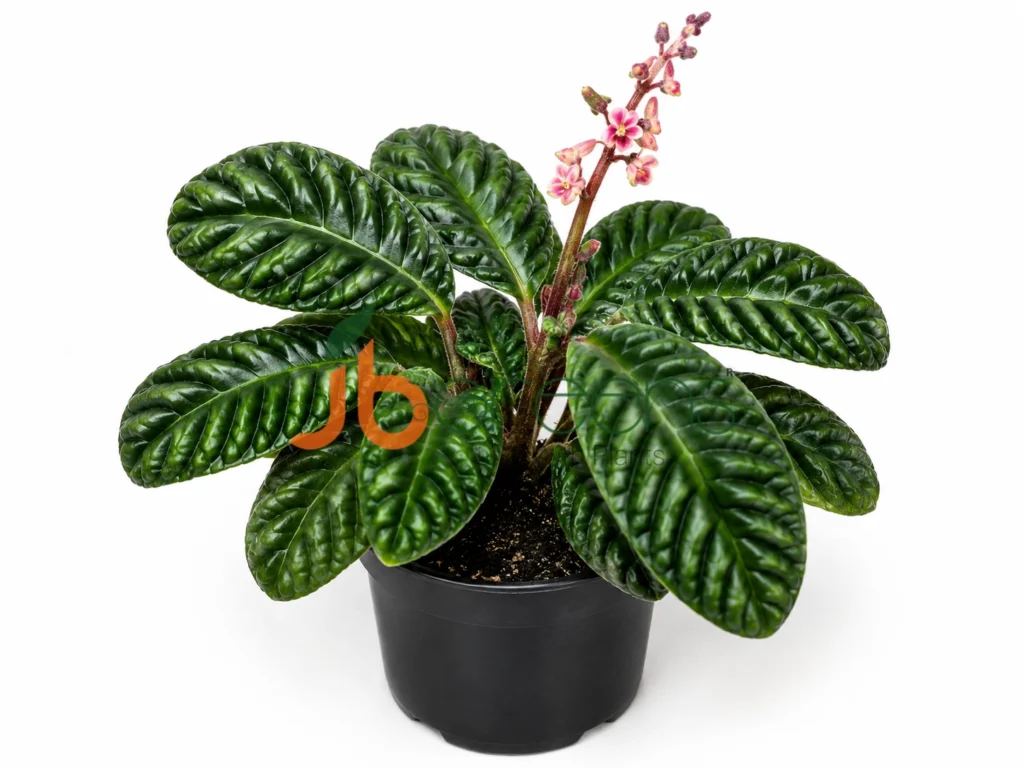
An arriving plant invites an immediate redesign: open the parcel, find the perfect position and complete the terrarium. A quieter first stage is usually more informative. Set aside a clean observation area before delivery, keep the order details handy and have the plant's care instructions ready. This gives you somewhere to assess its condition and ask questions without first disturbing an established planting or making several changes that are difficult to untangle later.
Make an arrival record
Photograph the parcel, packaging, label and whole plant as you unpack. Record the arrival date and any visible damage clearly, without trying to diagnose it from appearance alone. If there is a delivery concern, contact the nursery promptly through the current support process. Keep the relevant photographs together with the order number. Good records help a practical conversation and are especially valuable when a plant has an informal trade name.
Inspect accessible leaf surfaces, stems and the outside of the pot in good light. Do not repeatedly unpot a plant simply to create a more exhaustive record. First ask whether there is a reason to disturb the roots. Note whether the growing medium is dry, damp or very wet and whether the plant is upright or damaged. Describe what you can see: “a soft patch at the stem base” is more useful than confidently naming an unconfirmed disease.
Keep a separate observation space
Illinois Extension recommends keeping new plants away from an existing collection for two to three weeks to reduce the chance of introducing unnoticed pests or disease. This is a useful starting practice, not a guarantee of pest freedom after a fixed date. Use a separate tray and avoid sharing runoff with other plants. Continue inspecting, and extend separation or seek advice if something suspicious appears.
Quarantine still needs to suit the plant. A sensitive specimen should not be placed in a hot, dark spare room merely because the room is empty. Ask the nursery how the plant was grown and what conditions it needs during observation. If an individual enclosure is recommended, keep that setup separate and accessible. The aim is to maintain appropriate care while preserving the ability to notice and respond to problems before plants share a display.
Introduce change deliberately
Plants can react when light and humidity change, and Illinois Extension advises gradual adjustment when moving plants between conditions. Avoid interpreting every arrival-related change as a need for fertiliser. Keep watering tied to the plant and medium, and follow the nursery's specific instructions rather than automatically soaking every delivery. A major repot, a new fertiliser, stronger lighting and immediate enclosure on the same day make it hard to identify what helped or harmed.
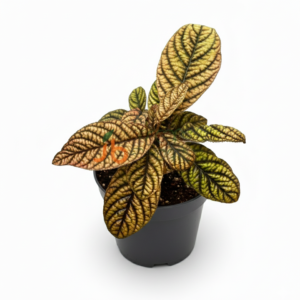
For a Labisia pumila 'Green' or Sonerila heterostemon, save the complete name and ask about the intended transition into your setup. Do not transfer advice from another plant simply because both are sold as tropical foliage. Take one reference photograph after arrival and another when the plant is ready to move; use observations of condition and growth alongside elapsed time.
Decide when to plant together
Before joining an established terrarium, check identification, health, space and compatibility again. Make sure the planned position is reachable and that you can remove the newcomer if needed. Keep its original care record after planting rather than replacing it with a general terrarium schedule. This modest investment of attention makes later questions easier to answer. The reward is a collection assembled with knowledge of each plant, instead of a series of hurried arrivals and emergency rearrangements.