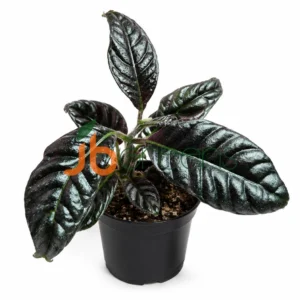
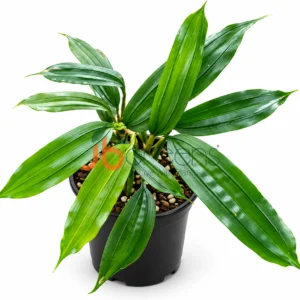
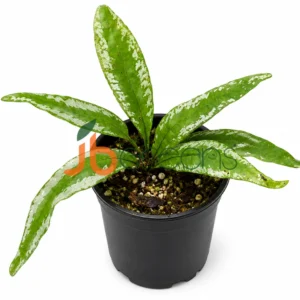
Sonerila: a thoughtful start with exceptional foliage

Sonerila attracts collectors who enjoy looking closely. A leaf pattern, a contrasting vein or the form of a single shoot can make a modestly sized plant feel important within a display. It is also a group where careful labelling matters. A location name or descriptive nursery name may be useful for keeping a collection organised, but it does not necessarily identify a formally described species or provide a complete care prescription.
Start with the label
Keep the exact product name and any additional information supplied by the nursery. JB Greens lists Sonerila Batik and Sonerila maculata, among other names. Treat them as separate plants when building your care notes. Do not silently replace an uncertain name with a species you found in a photograph. If identification is incomplete, recording that uncertainty is more useful than making the label look definitive.
The Malaysia Biodiversity Information System describes Sonerila as a genus in Melastomataceae valued for ornamental foliage. Its account of Sonerila tenuifolia documents a particular species with its own habit and habitat. That record is a reminder of diversity, not a care sheet for every trade plant bearing the genus name. It would be misleading to transfer one species' mature size or montane habitat directly to an unidentified nursery selection.
Ask questions that change your setup
Before choosing a vessel, ask the nursery how the actual stock has been growing: open pot or enclosure, approximate conditions, current rooting status and expected habit. Explain the setup you can provide rather than asking only whether Sonerila is “easy”. Include a photograph of the intended location and the dimensions of the container. If your environment differs substantially, ask how to make the transition and what early signs should prompt another conversation.
Decide how you will inspect the plant without moving it repeatedly. A clear view of the stem base and the medium is more useful than hiding everything behind a decorative stone. Keep an accessible space around the specimen. If you want a mixed planting, ask about the compatibility of the named companions rather than assuming that anything labelled tropical will share one routine. A single well-displayed plant can be a more rewarding first project.
Use an observation card
Give each plant a short record with its name, arrival date, source, container, growing medium and the nursery's instructions. Add a reference photograph under consistent lighting. Record a change only when something actually changes: watering, a move, a new lamp setting or the opening of an enclosure. This keeps the notebook useful without turning plant care into a complicated daily form. It also helps distinguish a developing pattern from an isolated cosmetic mark.
When seeking help, send a whole-plant photograph and a closer view of the affected area. Explain whether the issue is spreading, which leaves are involved and what changed beforehand. A single yellow leaf does not identify one specific cause. Avoid trying several products together in response to an uncertain symptom. The general houseplant guidance from Illinois Extension supports careful inspection and appropriate adjustment, but a specialist plant still needs advice tied to its identity and conditions.
Collect for understanding
Wait until you understand one plant's behaviour before assembling a large group with different names. Compare growth and form without declaring differences to be separate species or permanent colour guarantees. Preserve provenance information when sharing photographs or exchanging a propagated plant. Good collecting adds knowledge as well as specimens. For Sonerila, the most impressive display may be a restrained arrangement that lets the viewer study one plant while its owner can explain exactly what is known about it.