Reading the glass: condensation and terrarium watering

A misted pane can make a terrarium feel like a miniature rainforest. It can also make its owner wonder whether to add water, remove the lid or leave everything alone. The most useful habit is to observe several clues together. Condensation is one clue; the condition of the growing medium and the plant are others. A single photograph of foggy glass cannot tell you the whole story of a container's moisture balance.
Read a pattern rather than a moment
Some condensation is normal as water moves through a closed terrarium. Persistent heavy droplets and very wet conditions deserve attention, while a clear pane alone does not prove that the roots are dry. The RHS advises airing an excessively wet terrarium and watering cautiously. Do not aim to reproduce the same amount of fog every hour. The glass can look different as the surrounding temperature and light change during the day.
For the first week, choose a consistent morning and evening observation time. Record whether the glass is clear, lightly misted or covered with large droplets; note the medium's appearance and any change in leaf posture. This is a practical record, not a scoring system with one perfect answer. Add a photograph from the same angle. You are looking for a trend that can guide a decision, rather than reacting to every temporary change.
Check before adding water
Illinois Extension explains that watering needs vary with species, light, temperature, humidity, growing medium and container. It also cautions that wilting can result from too much water as well as too little. Therefore, inspect the root-zone moisture before treating a drooping leaf as a request for another spray. A fixed weekly watering instruction is especially unhelpful when comparing an open bowl with a tightly closed jar.
Keep an accessible inspection point when designing the planting. If your terrarium is so densely covered that neither the medium nor the plant bases can be checked, make space before troubleshooting becomes urgent. When the chosen plant and medium genuinely need water, apply a small, measured amount to the relevant area and record it. Avoid arbitrary numbers of spray-bottle squeezes: different nozzles deliver different quantities, and vessel sizes vary enormously.
Make one considered adjustment
If the enclosure is excessively wet, pause watering, inspect the plants and adjust ventilation while monitoring the response. Do not leave sensitive plants exposed indefinitely because another terrarium tolerated it. Equally, adding fertiliser or a tonic does not diagnose a moisture problem. If there is persistent collapse, soft tissue or an unpleasant change in the planting, photograph the whole setup and the affected area and ask for species-specific advice.
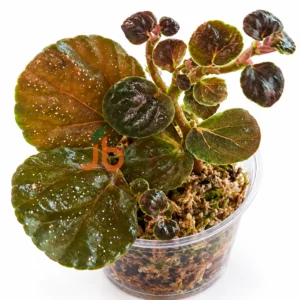
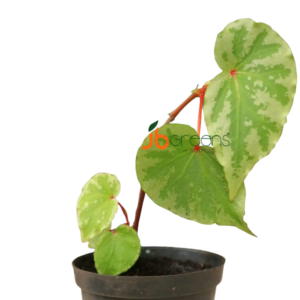
For plants such as Sonerila Batik or Begonia 'Mini Chrome', keep the exact nursery label in your notes. These are catalogue examples, not a shared watering recipe. Tell the nursery whether the plant is still in its original pot or has been planted into a glass enclosure. Include when it arrived, when you last watered and what you changed; those details are more useful than a close-up of one damaged leaf.
Build an easier routine
Set a reminder to inspect, rather than a reminder to water automatically. Before travel, write down the last observation and ask a helper to contact you before adding water. A small card saying “check first” can prevent a well-meaning soaking. As the planting grows or the room changes seasonally, review your record. Good terrarium care is attentive and proportionate: each intervention should answer an observed need, with enough time afterwards to see what changed.