A terrarium maintenance routine that starts with observation
A terrarium is a living composition, so its maintenance should include both plant care and design review. New growth may hide a stone, reach the glass or shade a neighbour. A fallen leaf may be easy to remove now and difficult to reach later. The goal is not to keep the display frozen in its first-day photograph. It is to notice changes early enough that each response can remain small, considered and practical.
Begin with a look, not a tool
Choose a regular inspection time and first view the whole arrangement. Compare it with a recent photograph. Look for areas becoming crowded, leaves lying against the vessel and any material that has fallen into an inaccessible corner. The University of Vermont's terrarium guidance recommends grooming and pruning as needed, and planning with plants that can fit the available space. This is maintenance in response to growth, rather than trimming every plant on a fixed calendar.
Write a short list before opening the vessel. Separate tasks you can confidently perform, such as retrieving a detached dead leaf, from questions that need advice. If you see unfamiliar marks or insects, photograph them before disturbing the area. Resist turning an ordinary inspection into a complete rearrangement. Keeping interventions purposeful makes it easier to observe the plant's response and avoids losing a useful record of what the problem originally looked like.
Know what can be cut
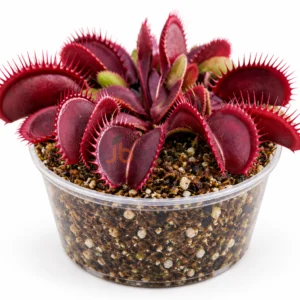
Different plants respond differently to pruning, so identify the plant and its growing points before removing living material. Do not assume that shortening every leaf or stem will preserve a miniature appearance. If a specimen repeatedly exceeds the space, moving it to an appropriate setup may be better than continual cutting. Ask the nursery for plant-specific guidance, especially with an unfamiliar orchid, fern or slowly developing collector plant.
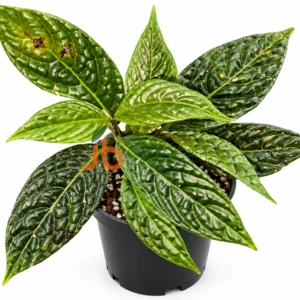
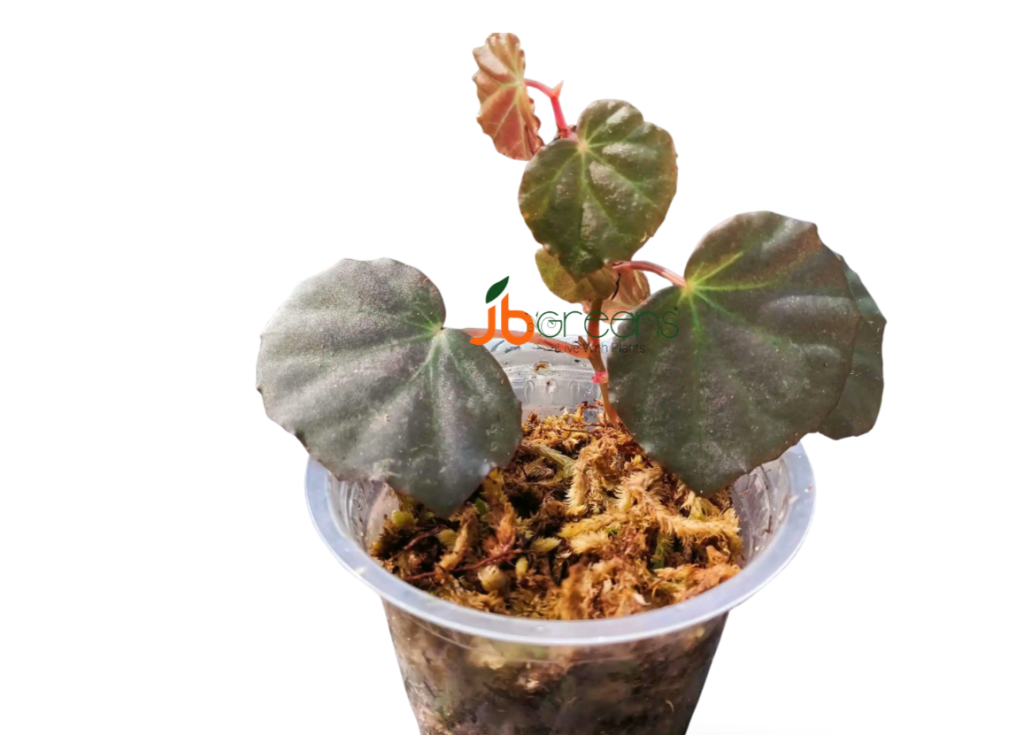
Use Begonia lichenora and Labisia Turtle Back as examples of why a named care record matters. Their inclusion here does not imply identical pruning responses or suitability for one enclosure. Save any instructions alongside the label. If you need help, send a photograph showing the whole plant and identify the part you intend to remove, instead of asking whether it can simply be “cut back”.
Make the work physically easy
Gather clean tools, a tray for removed material and a soft cloth for the outside of the glass before starting. Check that tools fit through the opening without forcing them against foliage. Retrieve loose material carefully and keep it separate from the display. Do not use scented household cleaners inside a planted enclosure. If a vessel needs substantial cleaning, plan how to protect or temporarily rehouse the plants rather than improvising around them.
Review access after every significant growth spurt. Mississippi State Extension notes that plants may outgrow terrariums and require pruning or removal. A layout that once allowed easy reach can become difficult over time. Identify the most awkward corner and decide whether moving a stone or reducing the number of plants would make future care simpler. The cleanest-looking design is often the one with fewer obstacles between you and routine maintenance.
Finish with a record
After working, note what you removed or changed and take another photograph. Check that labels are still traceable and that the vessel is returned to its intended position. Do not add water or feed simply because maintenance has taken place; make those decisions from the plant's needs and current conditions. Review the composition again after it settles. A good routine leaves you with a clearer view, fewer unresolved questions and plants that have enough room to continue becoming themselves.