
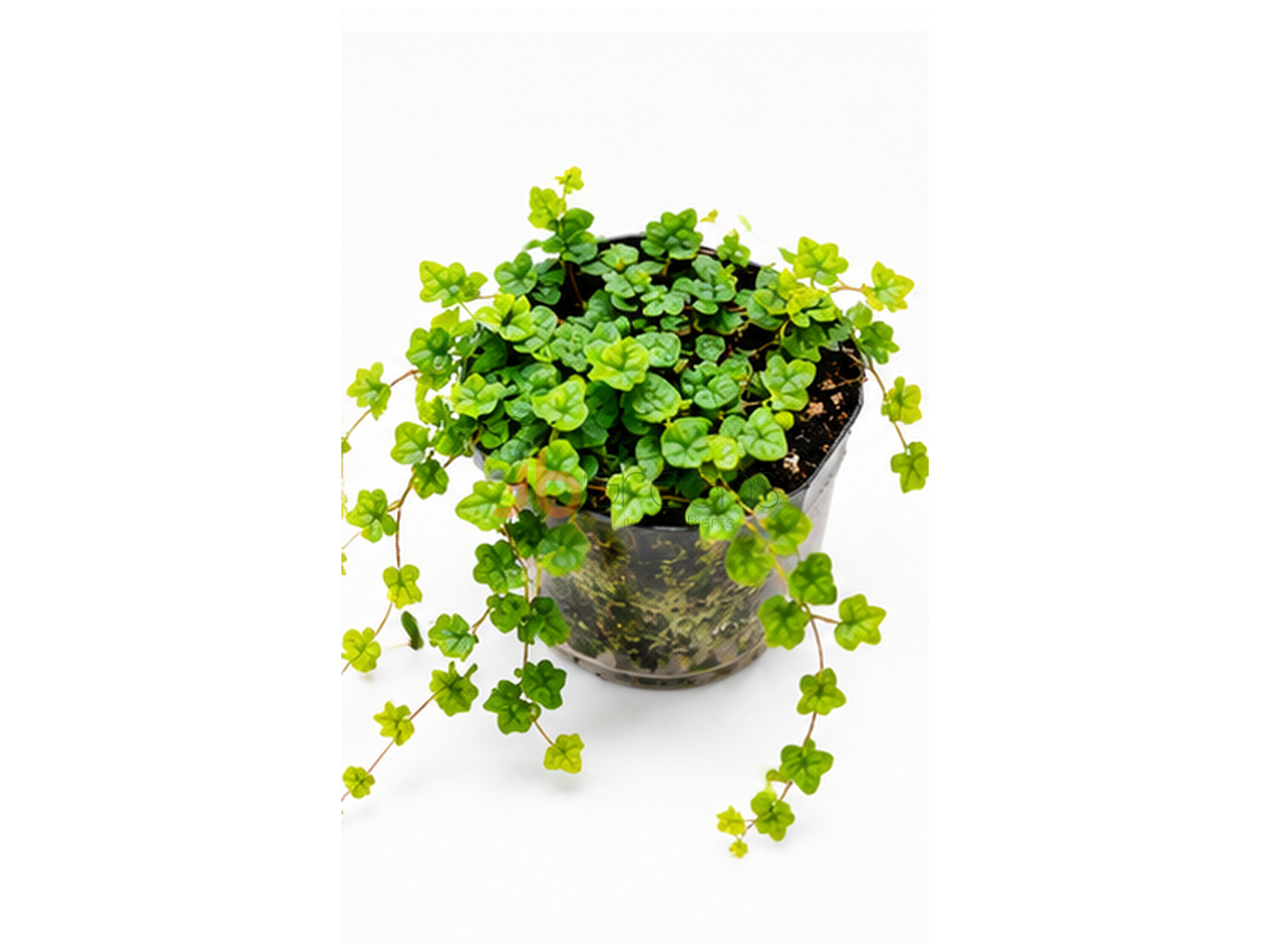
Bring the timeless charm of an ancient, moss-draped rainforest into your living space with Ficus minima (Ficus pumila ‘Minima’). Revered by terrarium artists, paludarium builders, and miniature-plant collectors alike, this delicate evergreen climber weaves a lush, living tapestry of tiny, textured green leaves across wood, stone, and soil. Conventionally grown and nurtured organically at our Bengaluru nursery—never tissue-cultured—each plant arrives rooted, resilient, and ready to transform your miniature world.
Botanical Profile & History
-
Botanical Name: Ficus pumila ‘Minima’ (widely known in the hobby as Ficus minima)
-
Common Names: Miniature Creeping Fig, Mini Climbing Fig, Dwarf Creeping Fig
-
Plant Family: Moraceae (the Fig and Mulberry family)
-
Origin & Native Habitat: The parent species is native to the humid subtropical forests of East Asia—including central and southern China, Japan, Taiwan, and Indochina—where it naturally blankets shaded cliffs, mossy rocks, and damp tree trunks.
-
Discovery & Naming: The parent species, Ficus pumila, was formally described and named by Swedish botanist Carl Linnaeus in 1753. The Latin epithet pumila means “dwarf,” referring to its small juvenile foliage. ‘Minima’ is a prized horticultural cultivar selected specifically for its even smaller, ultra-compact leaves and denser growth habit rather than a separate wild species.
-
Life Cycle & Growth Habit: A long-lived, woody evergreen perennial liana (climbing and creeping vine). With steady care, it thrives for many years indoors or in enclosures. It naturally displays leaf dimorphism—producing tiny, clinging juvenile leaves when young, and much larger, leathery fruiting leaves on mature outdoor shoots. Regular light trimming keeps it permanently in its charming, miniature juvenile form.
Speciality & Standout Features
-
Ultra-Compact Scale: Unlike standard creeping fig (Ficus pumila), which can quickly overrun small enclosures, ‘Minima’ grows at a slower, tighter, and far more manageable pace, making it effortless to maintain in small glass vessels.
-
Self-Clinging Architecture: Slender stems produce short adhesive aerial roots that secrete a natural translucent latex, hardening on contact to grip driftwood, lava rock, clay walls, and moss backgrounds without ties or glue.
-
Rich Foliar Texture: Its dense, overlapping carpet of deep-green, subtly crinkled leaves adds instant age and natural depth to any scape.
How to Identify Ficus minima
When verifying an authentic Ficus pumila ‘Minima’, look for these signature traits:
-
Foliage Shape & Texture: Tiny, asymmetrical, heart-to-oval-shaped (cordate) leaves with a fine, papery-to-leathery feel, slightly puckered/crinkled surfaces, and delicate netted veining.
-
Growth Arrangement: Leaves grow tightly in alternating, slightly overlapping rows along thin, flexible, brownish-green stems.
-
Adhesive Rootlets: Fine, short anchoring roots appear directly along the undersides of the stem nodes.
-
Milky Sap: Like other members of the Moraceae family, snipping a stem releases a tiny drop of milky white latex sap. (Tip: Wash hands after heavy pruning, as fig sap can be a mild skin irritant.)
Comprehensive Care Guide
1. Lighting Requirements
Thrives in bright, indirect light to dappled shade. It performs wonderfully near an east-facing window or beneath full-spectrum LED terrarium lights. Avoid harsh, direct afternoon sun, which can scorch its delicate foliage, while very deep shade may cause the vines to stretch and lose their tight leaf density.
2. Watering
Ficus minima prefers consistently moist—but never waterlogged—substrate. Its fine root system is sensitive to drying out completely; allowing the media to go bone-dry will quickly cause leaves to turn crispy and drop. Water gently when the surface begins to feel barely damp, and use filtered, RO, or rainwater whenever possible to avoid mineral buildup on the foliage.
3. Humidity & Temperature
-
Humidity: Loves high humidity (60%–90%), where its aerial roots stay active and foliage stays lush. While it can adapt to open-air indoor spaces (~50% humidity) if watered reliably, it truly shines in humid enclosures.
-
Temperature: Thrives in warm, stable tropical temperatures between 18°C and 28°C. Protect it from cold drafts and dry air-conditioning vents.
4. Potting & Recommended JB Greens Potting Media
Avoid heavy, compact garden soil that suffocates fine roots. Ficus minima thrives in a light, organic, moisture-retentive yet breathable blend:
-
For Terrariums & High-Humidity Enclosures: Pair with JB Greens Fern Potting Mix—a fine, friable, sphagnum- and charcoal-enriched woodland blend formulated to hold steady surface moisture while preventing rot in perpetually damp setups.
-
For Climbing Vines & Pots: Use JB Greens Piper Potting Mix (organic-rich and pH-balanced for vigorous tropical vines) or JB Greens Aroids Potting Mix for airy drainage and gentle slow-release nutrition in open-air planters.
5. Nutrient Requirements & JB Greens Plant Tonics
Ficus minima is a light feeder. Over-fertilizing with harsh chemical feeds can burn its delicate roots and trigger leggy growth. Instead, support steady, natural vitality with the JB Greens Complete Homeopathic Tonic Combo (diluted at 0.5 ml per 1 litre of clean water, applied weekly as a light foliar mist or soil drench):
-
Rhizara (Root Growth Booster) & Soilora (Soil Enhancer): Use during planting, propagation, and weekly soil care to build dense, healthy roots and active living soil microbes.
-
Vigora (Growth Stimulant): Encourages tight, vibrant green vegetative growth.
-
Restora (Plant Regenerator): Ideal after shipping acclimation or if the vine ever experiences accidental dry stress.
-
Fungara & Pastara: Rotate periodically to build natural resilience against fungal issues and common sap-sucking pests in humid setups.
6. Repotting
Repot potted specimens every 12 to 18 months, or when roots begin circling the base.
-
Select a container just 2–4 cm wider than the current root ball with good drainage holes.
-
Add a light drainage layer (LECA or fine gravel) at the base.
-
Set the plant at its original depth, backfill with fresh JB Greens Piper, Fern, or Aroids Potting Mix, and firm gently without compacting.
-
Water thoroughly and follow up with Rhizara + Soilora for the first 2–4 weeks to ensure zero transplant shock.
Uses in Terrarium & Paludarium Setups
-
Closed & Open Terrariums: One of the finest miniature background and ground-cover plants in the hobby. Plant it at the base of driftwood, cork bark, or stone hardscape and watch it creep upward into a living green curtain, softening harsh edges and uniting the entire layout.
-
Paludariums & Vivariums: Excels in the terrestrial and humid transition zones above the waterline. Planted on elevated banks, moss ledges, or damp background walls, it frames waterfalls and misting zones effortlessly while thriving in constant humidity. Because every plant at JB Greens is raised using 100% organic practices, it integrates safely into bioactive enclosures (always give new plants a gentle rinse with dechlorinated water before introducing them to animal habitats).
-
Maintenance Tip: Pinch or trim stray runners occasionally with fine aquascaping scissors to keep the foliage tight, bushy, and perfectly proportioned to your glass vessel.
Why Choose JB Greens?
Every Ficus minima is conventionally rooted and organically grown at our own Bengaluru nursery—no dropshipping, no tissue-culture imports—hand-inspected, securely packed, and shipped directly from our growing benches to your doorstep. Complete your setup by pairing your plant with our custom JB Greens Potting Mixes and Homeopathic Plant Tonics at www.jbgreens.com.






Reviews
There are no reviews yet.