
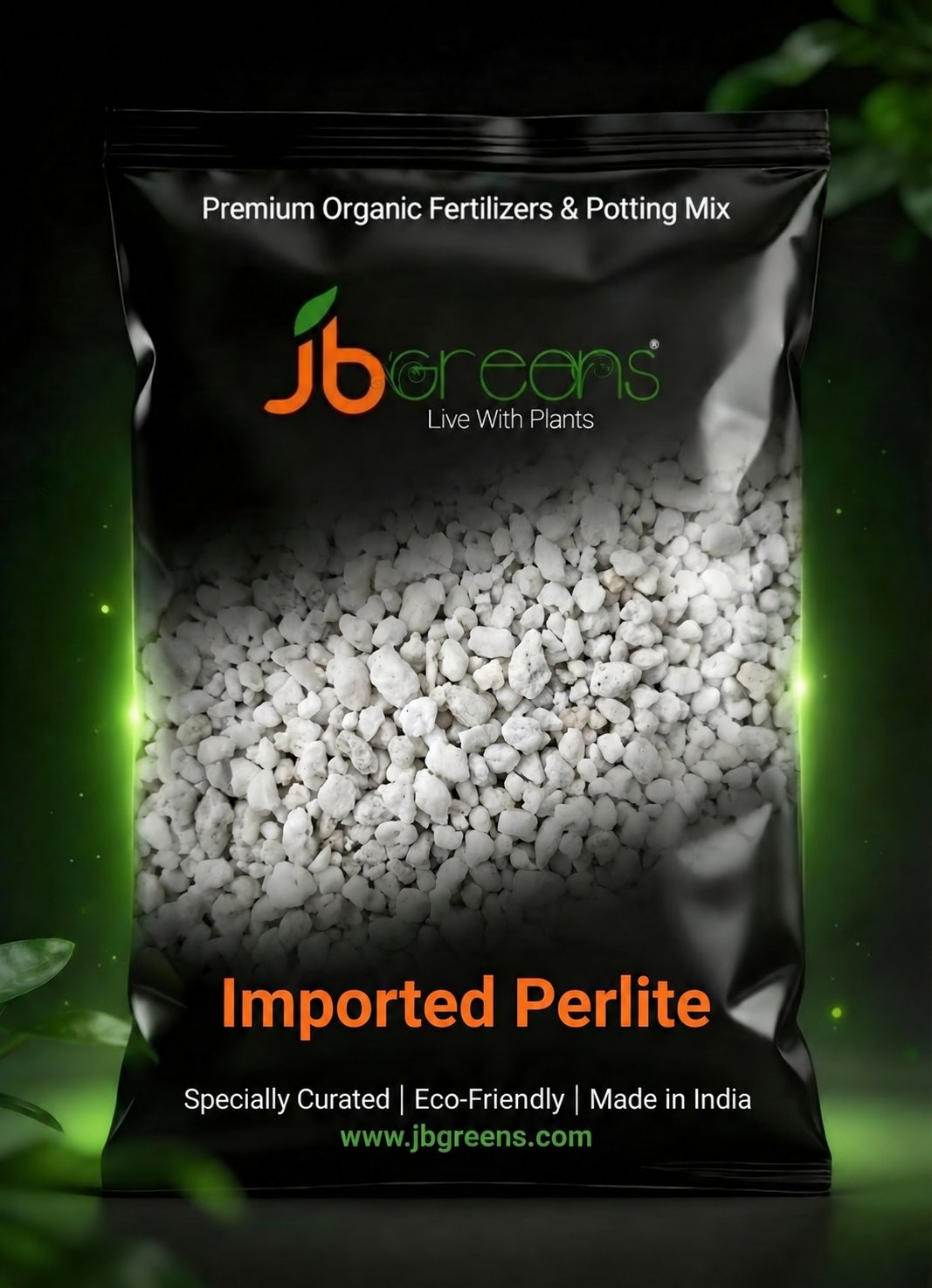
Imported Horticultural Perlite (3–6mm) – Coarse Grade
Lightweight Volcanic Aeration for Thriving Roots | Curated by JB Greens
Give your rare tropicals, aroids, and terrarium plants the airflow their roots crave. Imported Horticultural Perlite (3–6mm) is a coarse, dust-screened volcanic glass medium that keeps potting mixes loose, airy, and well-draining. It prevents soil compaction and drastically lowers the risk of root rot—making it a must-have upgrade for every serious plant collector.
Origin, Classification & Naming
-
Mineral Family & Type: Naturally occurring amorphous volcanic glass (hydrated obsidian), classified as an inorganic horticultural amendment.
-
Where It’s Found: Mined from ancient volcanic deposits worldwide—including the United States, Australia, South Africa, and Israel—where rapidly cooled lava trapped 2–5% water inside.
-
History & Naming: The name perlite comes from the French word perle (pearl), describing the tiny, pearly fractures in the raw volcanic rock. It was formally called perlite by 1822, with early modern research starting in Japan in 1929 and commercial expansion taking off in the U.S. during the 1930s. When raw ore is superheated to 850–1090°C, the trapped water turns to steam and “pops” the rock up to 20 times its size into bright white, porous granules.
Key Features & Speciality
-
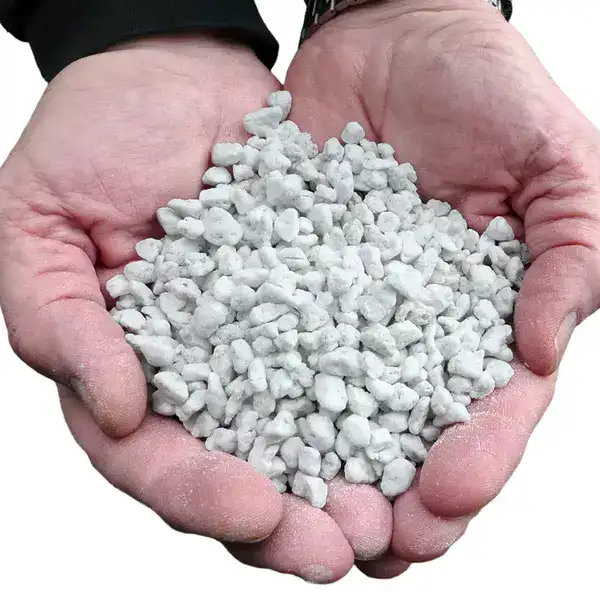
Coarse 3–6mm Grade: Unlike fine, dusty grades that clump together, these 3–6mm chunky granules create lasting air pockets ideal for aroids, orchids, succulents, and tropical foliage.
-
Sterile & pH Neutral: Sitting near a neutral pH (6.5–7.5), it won’t alter your soil’s acidity and comes free of weeds, pests, and pathogens.
-
Chemically Inert & Featherlight: It holds a thin film of moisture on its dimpled surface while letting excess water drain straight through.
How to Identify Quality 3–6mm Horticultural Perlite
-
Look for bright white, uniform 3–6mm popcorn-like granules with very little powdery dust at the bottom of the bag.
-
Genuine horticultural grade feels featherlight, floats in water, and crushes cleanly between your fingers—unlike gritty sand or dusty construction-grade perlite.
Lifespan, Potting & Care Guide
-
Lifespan: Unlike coco peat or bark, perlite never rots or decomposes. It holds its structure for years and can be rinsed, sterilized, and reused.
-
Potting & Mixing Ratios: Lightly mist the perlite before mixing to keep dust down. Blend 10–30% into standard houseplant mixes, or 30–50% for chunky aroids, orchids, and succulents.
-
Watering Behavior: Speeds up drainage so roots get steady oxygen and avoid standing water.
-
Lighting Effect: Used as a light top-dressing, its bright white surface reflects light back onto lower foliage and helps keep the top layer dry.
-
Humidity Balance: Holds gentle surface moisture around roots without turning soggy—great for high-humidity tropical setups.
-
Nutrient Profile: Perlite contains no natural nutrients. Always pair it with a rich organic substrate and regular plant nutrition.
-
Repotting: When refreshing old soil, simply sift out the perlite, wash it clean, and reuse it in your next mix.
Uses in Terrariums & Paludariums
-
Terrarium Substrates: Mix 20–25% into your terrarium soil (alongside coco coir, fine bark, and worm castings) to keep enclosed mixes airy and stop them from turning into anaerobic sludge.
-
Paludarium Tip: Use it inside the terrestrial planting zone above the waterline for root aeration. Avoid using perlite alone as a submerged false-bottom drainage layer, as its ultra-light granules float in standing water—stick to LECA or gravel for the base layer instead.

Reviews
There are no reviews yet.