
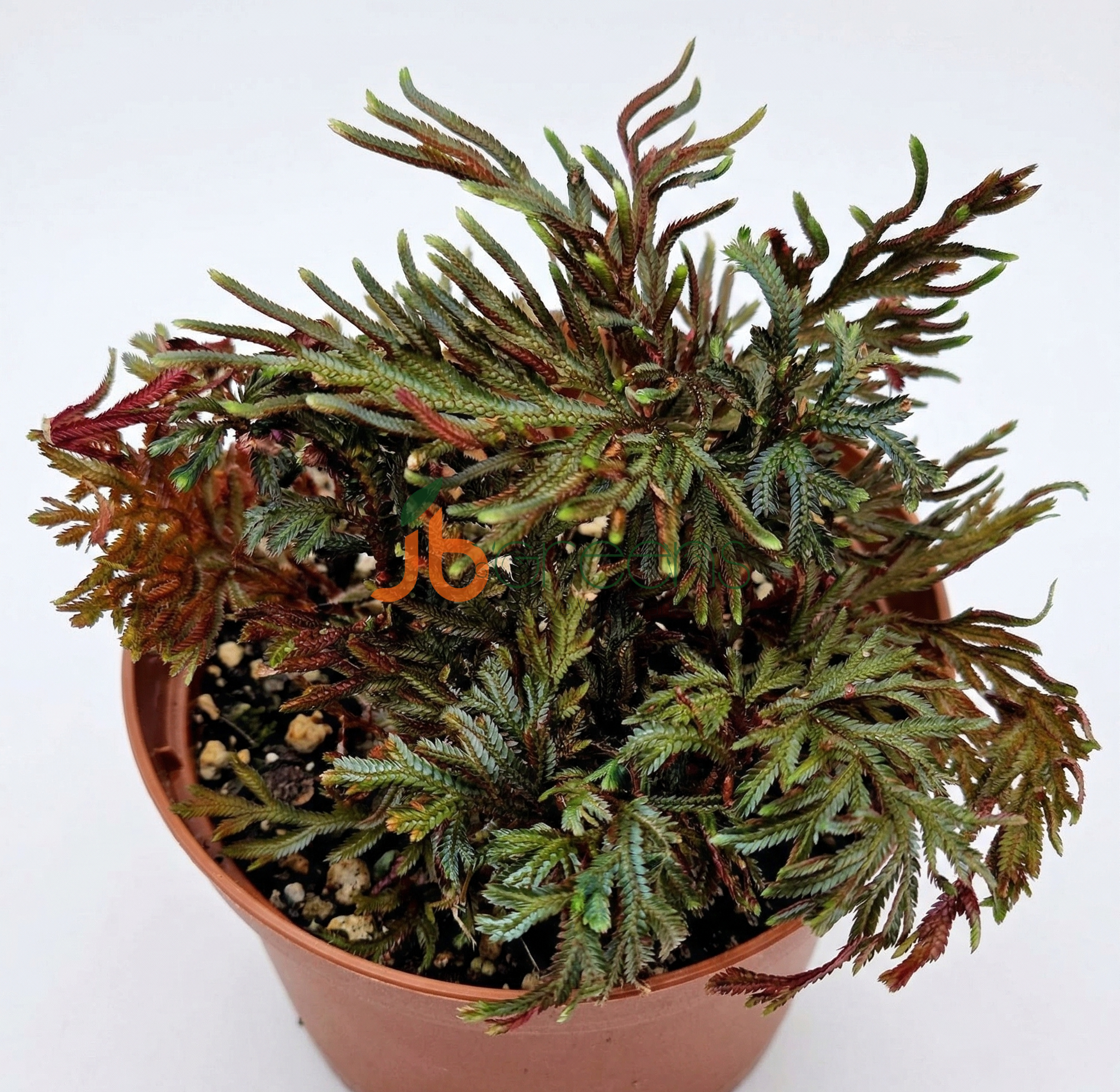
Bring a touch of living contrast to your miniature jungle with Selaginella ‘Red Ruby’, one of the most sought-after jewel-toned fern allies in the terrarium world. Celebrated for its lush, feathery forest-green fronds that flip to reveal a vivid, glowing ruby-red underside, this tropical spikemoss transforms monochromatic green setups into dynamic, layered ecosystems. Conventionally and organically grown at our Bengaluru nursery, every plant arrives rooted, acclimated, and ready to thrive in your living collection.
Botanical Profile & Quick Facts
| Attribute | Details |
| Scientific Name | Selaginella erythropus ‘Ruby Red’ |
| Common Names | Ruby Red Clubmoss, Red Spikemoss |
| Family | Selaginellaceae (Lycophytes / Fern Allies) |
| Lifespan | Evergreen Perennial |
| Native Habitat | Central & South America (Costa Rica, Colombia, Brazil, Ecuador, Peru, Bolivia) |
| Mature Size | 10–25 cm (4–10 inches) tall in terrariums; up to 30–40 cm in the wild |
| Care Level | Easy (in high-humidity setups) |
| Submersion | Emersed only (terrestrial; do not fully submerge) |
Discovery, Naming & Native Habitat
-
Botanical History: This remarkable species was first scientifically described as Lycopodium erythropus by the renowned German botanist Carl Friedrich Philipp von Martius, and later reclassified into its current genus as Selaginella erythropus (Mart.) Spring by Belgian-German botanist Antoine Frédéric Spring.
-
Etymology: The genus Selaginella derives from the Latin selago (meaning clubmoss), while the species epithet erythropus comes from the Greek eruthros (red) and pous (foot/stem), directly honoring its signature crimson stems and undersides.
-
Where It Is Found: In the wild, Selaginella ‘Red Ruby’ blankets the shaded, humid floors of lowland tropical rainforests, dense thickets, and mossy riverbanks across Central and South America.
Speciality, Features & Identification Methods
What sets Selaginella ‘Red Ruby’ apart is its dramatic two-tone coloration and ancient botanical lineage. Unlike true mosses or flowering plants, it is a vascular lycophyte that reproduces via spores.
How to Identify Authentic Selaginella ‘Red Ruby’:
-
Bicolored Fronds: Delicate, finely divided (bi-pinnate) fronds display a deep emerald-to-forest green upper surface and a striking ruby-red underside.
-
Reddish Rhizophores: Look for slender, prop-like reddish stems called rhizophores that emerge at branching points and fork out dichotomously to anchor the plant into moist soil.
-
Compact Spreading Habit: Forms a soft, feathery, low-growing understory carpet that stays neat and structured.
Complete Care Guide
-
Lighting Requirements: Prefers low to medium indirect light (partial to full shade). Bright, filtered LED terrarium lighting intensifies the ruby-red undersides, while direct sunlight will quickly scorch and bleach its delicate foliage.
-
Humidity Requirements: Thrives in high humidity (75% RH and above). Low ambient humidity or dry drafts will cause the frond tips to curl and crisp.
-
Watering: Keep the substrate consistently moist, never bone dry and never waterlogged. Use rainwater, RO, or distilled water to prevent mineral buildup on its sensitive leaves. Occasional fine misting helps maintain leaf turgor.
-
Temperature: Ideal range is 18°C–26°C (65°F–80°F), making it well-suited for indoor Indian homes and climate-controlled vivariums.
-
Potting & Substrate: Requires an airy, moisture-retentive, slightly acidic, and organically rich terrestrial mix that prevents root suffocation.
-
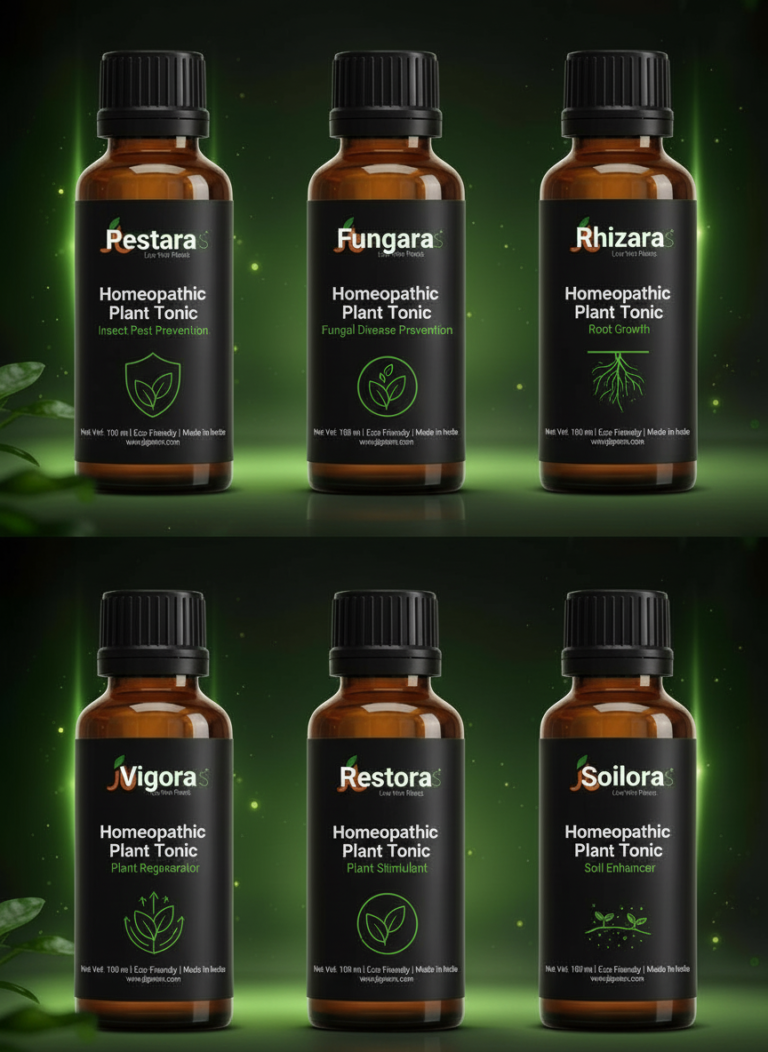
Nutrient Requirements: A light feeder. Over-fertilizing with harsh synthetic chemicals can burn its fine root system. Gentle, organic, or homeopathic nourishment works best.
-
Repotting: Repot every 1–2 years or when the creeping rhizophores fill the container. Shallow pots or wide terrarium bases work best. Trim any older, browning outer fronds cleanly at the base to encourage fresh, compact growth.
Uses in Terrarium & Paludarium Setups
-
Closed & Semi-Enclosed Terrariums: One of the finest foreground-to-midground plants for glass enclosures. Its ruby-red undersides pop brilliantly against dark hardscape, lava rock, and solid mats of green moss. Pair it with Jewel Orchids, Begonia, or miniature ferns for a high-contrast tropical floor.
-
Paludariums: Ideal for emersed land zones, mossy banks, and upper driftwood ledges. While its roots appreciate constant moisture near the waterline, Selaginella ‘Red Ruby’ is strictly a terrestrial plant—full submersion will cause it to rot.


Reviews
There are no reviews yet.