
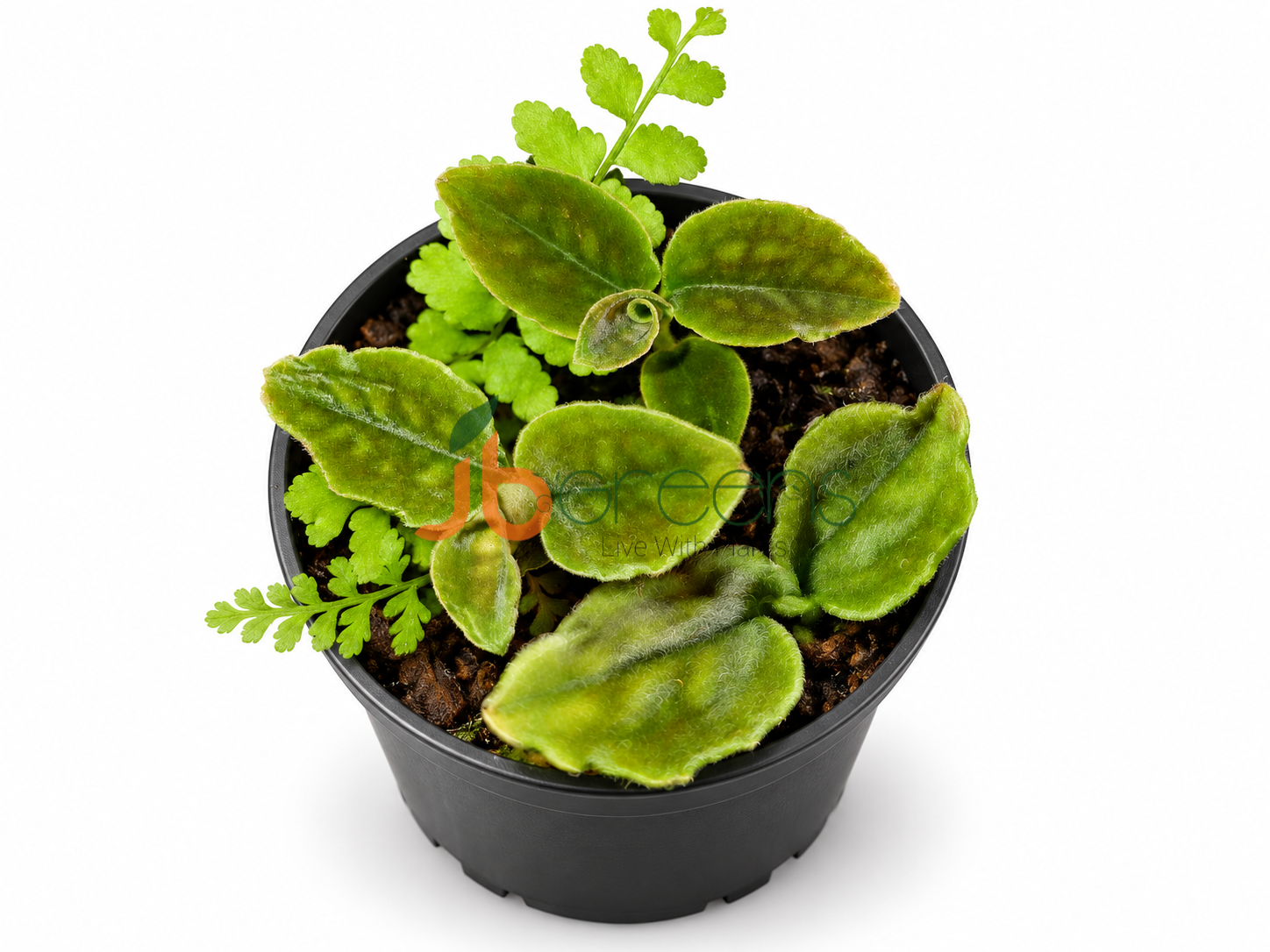
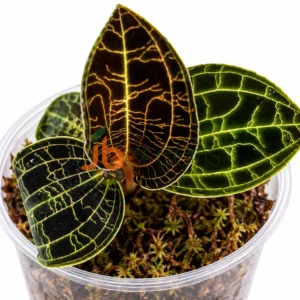
Cystorchis veriegata (often sold as “Green Jewel Orchid”) is a small, striking terrestrial orchid prized for its quilted, variegated foliage and easy‑to‑grow habit. It’s not a flower‑show orchid; the main attraction is the leaf pattern, with fine veining and subtle green mottling that looks almost like an etched pattern.
Plant description
- Size and form: A compact plant, typically reaching 15–25 cm tall with 4–6 leaves per growth.[2]
- Leaves: Elliptic, about 5–7 cm long and 2–3 cm wide, dark‑green with paler, irregular patches between the veins and softly ruffled/wavy margins.
- Growth habit: Terrestrial with a creeping or upright rhizome; it spreads slowly, forming small clumps over time.
- Flowers: In maturity it produces slender, hairy stems (10–15 cm) bearing 7–12 small, pale flowers in a short spike, but most growers grow it purely for foliage.
Light and placement
- Light level: Medium to medium‑low, bright indirect light.
- Ideal siting: East‑facing window, or a shaded north‑facing one indoors; inside a vivarium or terrarium under soft LED or fluorescent plant lights works well.
- Avoid: Direct mid‑day sun, which scorches leaves; very deep shade, which makes the plant leggy and less variegated.
Watering and humidity
- Watering style: Keep the medium “slightly moist but never soggy.” Let the top layer dry a bit before watering again; underwatering is safer than sitting in water.
- Water quality: Use room‑temperature, low‑mineral water (rainwater or filtered) when possible, as jewel orchids dislike heavy salt building. Humidity: Likes 60–80% humidity, typical of a warm, humid understory.
- In dry rooms, use a pebble tray, humidifier, or grow it in a terrarium/vivarium.
Growing medium and potting
- Preferred media:
- Sphagnum moss alone, or a loose mix of fine bark, perlite, and peat/sphagnum.
- Ensure very good drainage; avoid heavy garden soil.
- Pot type: Use shallow, wide pots (not deep) to match its horizontal rhizome growth and allow surface moisture to balance.
- Repotting: Every 1–2 years when the medium breaks down or the plant outgrows the pot; repot in spring or early summer.
Temperature and climate
- Daytime temperature: 20–28°C (about 70–80°F) is ideal.
- Winter/night: Can tolerate slightly cooler nights (down to about 16–18°C), but avoid prolonged cold or frost.
- Climate notes: Native to Malesia (Borneo, Java, Sumatra, Peninsular Malaysia) and Vanuatu, where it grows in damp, shady forests at moderate elevations (around 600–1,100 m).
Fertilizing and feeding
- Frequency: Light feeding every 4–6 weeks during active growth (spring–early autumn).
- Fertilizer type: Balanced liquid houseplant or orchid fertilizer at about ¼–½ strength; avoid high‑salt or “hot” fertilizers.
- Off‑season: Reduce or stop feeding in winter if growth slows.
Adaptability and ease of growing
- Tolerance:
- Fairly forgiving of moderate humidity and occasional lapses in watering, as long as it’s not left bone‑dry for weeks or in permanently waterlogged media.
- Adapts well to terrariums, vivariums, shaded windowsills, and enclosed planters.
- Where it excels:
- As a “low‑light leaf gem” in shaded corners, under shelves, or in glass enclosures.
- In setups with mixed tropical foliage (e.g., ferns, Begonias, mosses).
Propagation and spread
- Method:
- Separate rooted side‑shoots or segments of the rhizome with at least one leaf and some roots; plant in moist sphagnum or light mix.
- Rooting: Can be encouraged by placing the cutting on or in damp moss in a humid, bright‑indirect spot; roots typically form within a few weeks.
Only logged in customers who have purchased this product may leave a review.
Related products
-
Cystorchis sp. Papua Variegated: A Rare Masterpiece for the Collector The Crown Jewel of the Papuan Rainforest Understory Elevate your rare plant collection with the extraordinary Cystorchis sp. Papua Variegated, a highly coveted Jewel Orchid prized for its mesmerizing, patterned foliage rather than its blooms. Sourced from the deep, humid jungles of the Papuan region, …
Add to cart -
Anoectochilus ‘Black Swan’. Anoectochilus ‘Black Swan’ Step into the shadows with the Anoectochilus ‘Black Swan’, an exceptionally rare Jewel Orchid that commands attention not with towering blooms, but with foliage of unparalleled, moody elegance. While most orchids look upwards to the canopy, this terrestrial treasure creeps along the forest floor, thriving in the rich, humid …
Add to cart -
Goodyera pusilla ‘Red’ — The Dwarf Jewel Orchid Unlike most orchids that are prized solely for their blooms, the Jewel Orchid is cultivated for its mesmerizing foliage. Goodyera pusilla ‘Red’ is a rare, miniature terrestrial orchid that brings the delicate beauty of the Southeast Asian forest floor directly into the modern collection. Its leaves shimmer …
Add to cart -
Macodes sanderiana x limii is a striking hybrid Jewel Orchid prized for its foliage. It features dark green, oval leaves with bold electric orange and green veining, often called “Lightning Leaves,” and produces spikes of small white, chocolate, or pale green flowers on 10-14 inch stalks . Care Guide Keep the plant in medium to …
Add to cart
Products
-
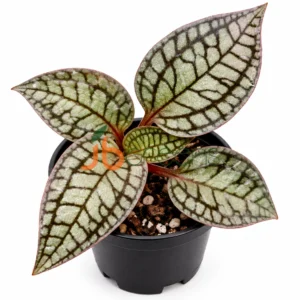 Jewel Cheirostylis montana
Original price was: ₹1,450.00.₹1,100.00Current price is: ₹1,100.00.
Jewel Cheirostylis montana
Original price was: ₹1,450.00.₹1,100.00Current price is: ₹1,100.00.
-
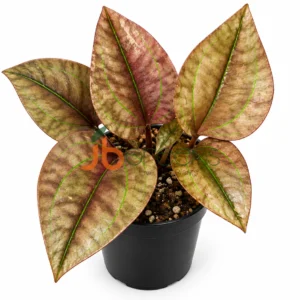 Orchid Nephelaphyllum Pulchrum
Original price was: ₹1,300.00.₹950.00Current price is: ₹950.00.
Orchid Nephelaphyllum Pulchrum
Original price was: ₹1,300.00.₹950.00Current price is: ₹950.00.
-
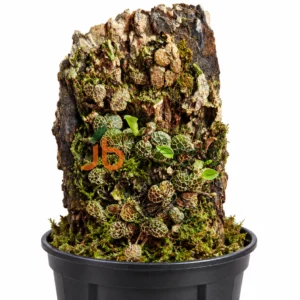 Porpax Reticulata
Original price was: ₹1,550.00.₹1,300.00Current price is: ₹1,300.00.
Porpax Reticulata
Original price was: ₹1,550.00.₹1,300.00Current price is: ₹1,300.00.
-
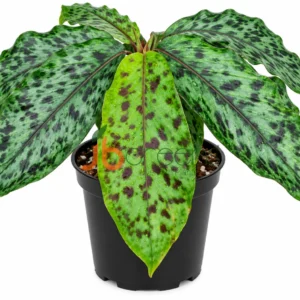 Etlingera brevilabrum
Original price was: ₹3,200.00.₹2,800.00Current price is: ₹2,800.00.
Etlingera brevilabrum
Original price was: ₹3,200.00.₹2,800.00Current price is: ₹2,800.00.
-
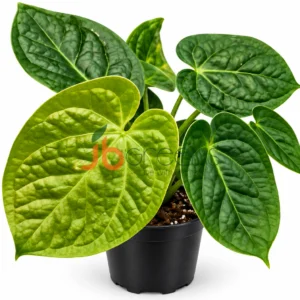 Anthurium Doraiki x Luxurians
Original price was: ₹4,500.00.₹3,900.00Current price is: ₹3,900.00.
Anthurium Doraiki x Luxurians
Original price was: ₹4,500.00.₹3,900.00Current price is: ₹3,900.00.

Reviews
There are no reviews yet.