
Sale!

Sale!
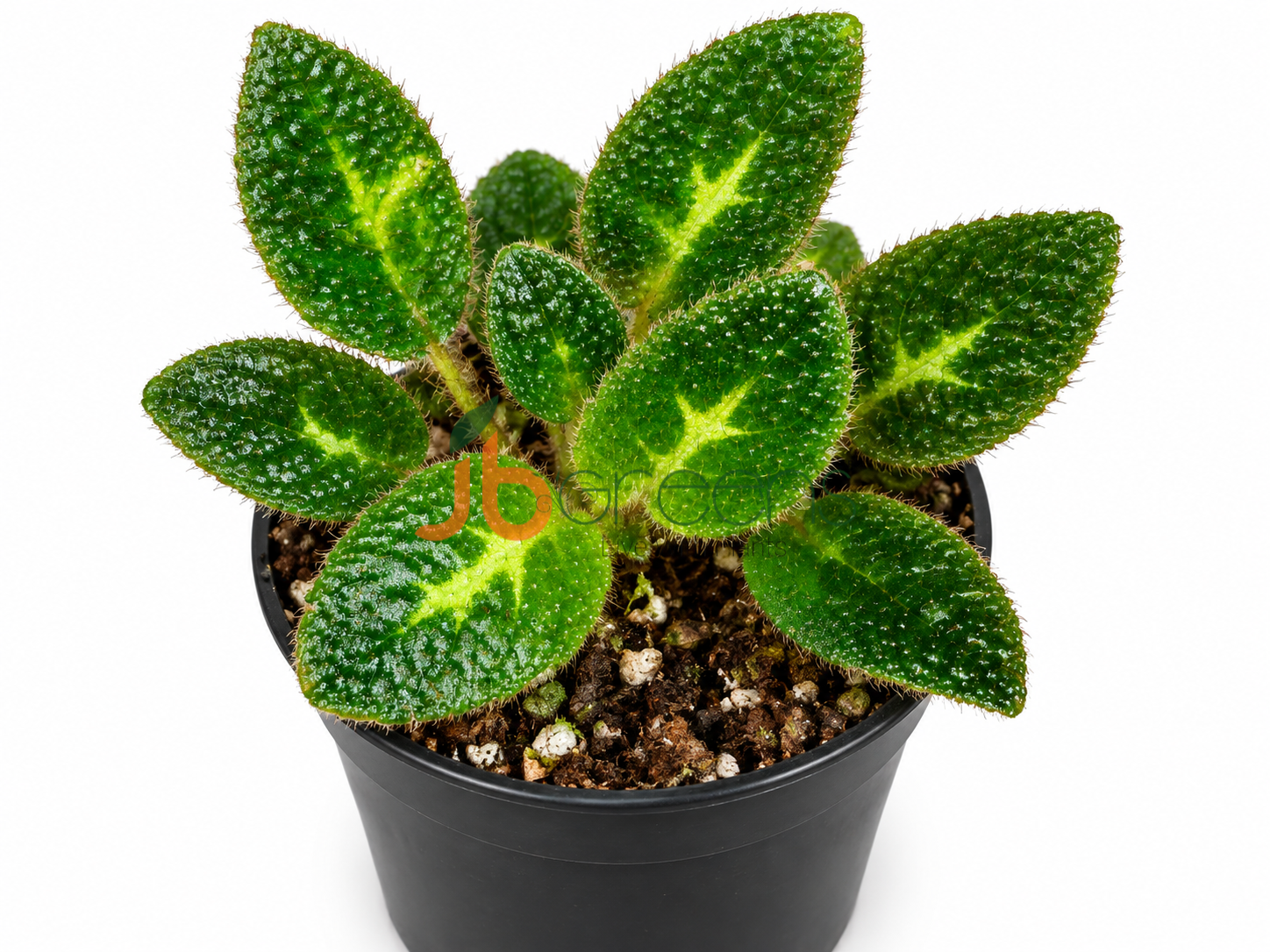
Gesneria “Neon” is a striking ornamental gesneriad, typically grown indoors for its vivid foliage and showy tubular flowers rather than for its origin or provenance. It behaves like a compact, rounded shrub or small subshrub, with thick, somewhat fleshy stems and dense, often glossy leaves that contrast with bright, neon‑like flowers or bracts depending on the selection.
General Description
- Growth habit: Upright to somewhat spreading, with short, woody stems and a fairly compact form; usually stays under about 1–1.5 m tall, so it suits tabletops or small stands.
- Leaves: Broad, soft‑leathery, often ovate to slightly elongated, with a smooth or slightly textured surface; coloration leans toward rich green but can appear brighter or more translucent where venation is pronounced.
- Flowers: Tubular or campanulate (bell‑shaped) blooms, often in clusters at branch tips; color tends toward warm reds, oranges, or pinks, with a “neon” or very bright cast that stands out against the foliage.
Growing Conditions
- Light: Best in bright, indirect light—similar to what African violets receive. Avoid strong, direct midday sun, which can scorch the leaves, but it can tolerate slightly lower light if growth is slower and fewer flowers appear.
- Temperature: Thrives in warm, stable conditions; normal room temperatures (mid‑20s °C) suit it well. Avoid cold drafts or prolonged exposure below roughly 15 °C, as the plant can show stress or leaf drop.
- Humidity: Prefers higher ambient humidity, as many gesneriads are adapted to forest understorey or moist, sheltered spots. It does not need constant misting; instead, keep it away from very dry air (air‑conditioning vents, heaters) and consider using a humidity tray or grouping with other plants.
Soil and Watering
- Soil mix: Use a light, airy, well‑draining medium rich in organic matter, such as a peat‑ or coco‑based mix with added perlite or pumice. Avoid heavy garden soil, which can compact and suffocate the roots.
- Watering: Keep the medium evenly moist but never water‑logged; water when the top layer feels slightly dry, then let excess drain out. Over‑potting (too‑large pots) should be avoided, since large volumes of unused soil can stay wet and encourage root issues.
- Frequency: Water more regularly in warm months, tapering off slightly in cooler seasons when growth slows, but without letting the plant dry out completely.
Feeding and Maintenance
- Fertilizer: Apply a balanced, water‑soluble fertilizer at half‑ or quarter‑strength with each watering during active growth, or a full‑strength dose every few weeks. Reduce feeding when light and temperature drop in winter.
- Pruning/shaping: Lightly pinch or trim stem tips to encourage bushiness and prevent leggy growth. Remove any yellowing or damaged leaves to keep the plant tidy and improve air circulation.
- Repotting: Repot every 1–2 years or when the plant clearly fills the container, choosing a pot only slightly larger; avoid burying the stems too deep.
Adaptability and Behavior
- Houseplant adaptability: Gesneria “Neon” is fairly adaptable to indoor conditions if humidity, light, and watering are kept in a reasonable range. It can tolerate occasional lapses in care but will decline if repeatedly over‑watered or exposed to very dry, hot air.
- Response to stress: Under‑watering or low humidity may cause leaf edges to dry or curl; too much direct sun burns leaves; low light reduces flowering and makes stems stretch.
- Propagation: Most gesneriads root readily from stem cuttings with a few nodes; use a light, moist mix and keep warm and humid until new growth appears.
Common Challenges
- Root rot: Usually from over‑watering, poor drainage, or oversized pots; symptoms include yellowing leaves, soft stems, and a musty smell from the soil.
- Leaf spotting or scorch: Often caused by direct hot sun, cold water on leaves, or very low humidity.
- Pests: Can occasionally host aphids, mealybugs, or spider mites, especially in dry, warm spots; inspect regularly and treat at the first sign of infestation.
Only logged in customers who have purchased this product may leave a review.
Related products
-
ABOUT THE PLANT: Indonesia endemic plant from Sumatera and Java Island The photo is representative Plant in the good condition and healthy It is sold per plant
Add to cart
Products
-
 Jewel Cheirostylis montana
Original price was: ₹1,450.00.₹1,100.00Current price is: ₹1,100.00.
Jewel Cheirostylis montana
Original price was: ₹1,450.00.₹1,100.00Current price is: ₹1,100.00.
-
 Orchid Nephelaphyllum Pulchrum
Original price was: ₹1,300.00.₹950.00Current price is: ₹950.00.
Orchid Nephelaphyllum Pulchrum
Original price was: ₹1,300.00.₹950.00Current price is: ₹950.00.
-
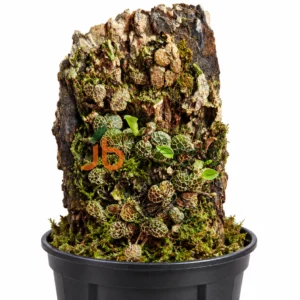 Porpax Reticulata
Original price was: ₹1,550.00.₹1,300.00Current price is: ₹1,300.00.
Porpax Reticulata
Original price was: ₹1,550.00.₹1,300.00Current price is: ₹1,300.00.
-
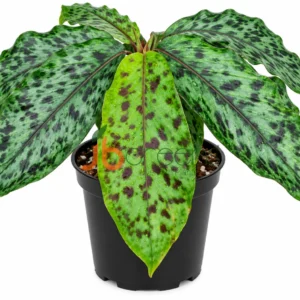 Etlingera brevilabrum
Original price was: ₹3,200.00.₹2,800.00Current price is: ₹2,800.00.
Etlingera brevilabrum
Original price was: ₹3,200.00.₹2,800.00Current price is: ₹2,800.00.
-
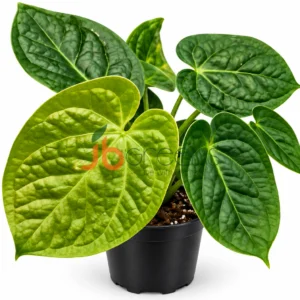 Anthurium Doraiki x Luxurians
Original price was: ₹4,500.00.₹3,900.00Current price is: ₹3,900.00.
Anthurium Doraiki x Luxurians
Original price was: ₹4,500.00.₹3,900.00Current price is: ₹3,900.00.
Reviews
There are no reviews yet.