Closed or open? Choose the terrarium your plants need
A terrarium begins with a simple decision: will the container be open to the room, or will a lid retain much of its moisture? Both can be beautiful. The useful question is which environment suits the plants you want to grow. Buying a striking vessel first and trying to fit an unrelated collection into it makes every later decision harder. Write down your available space, preferred plants and realistic care routine before shopping.
What the lid changes
A closed terrarium retains moisture and generally creates a more humid environment than an open bowl. It can suit selected small, slow-growing tropical foliage plants. An open container exchanges air more freely with the room and usually loses water faster. The RHS distinguishes these approaches in its terrarium guidance. Neither description guarantees suitability for an individual species, and a lid does not turn a mixed planting into a permanently self-maintaining ecosystem.
Think of three choices rather than two: a planted, enclosed terrarium; an open planted vessel; or a glass display holding removable nursery pots. The third arrangement is worth considering when you are learning a plant's needs. You can lift out a pot for inspection and watering. Its drainage holes must remain above any collected water. Decide whether that flexibility matters more to you than the seamless look of a fully planted landscape.
Match the inhabitants
Make a short comparison for each candidate: expected adult size, root environment, light, moisture, humidity and maintenance access. A plant that fits today may outgrow the vessel. Do not combine plants simply because their photographs share a colour palette. Cacti and many succulents are poor choices for a humid closed planting; a drained pot is usually easier to manage than a bowl without an outlet. Carnivorous plants also need species-specific decisions about light, water quality, substrate and, for some, dormancy.
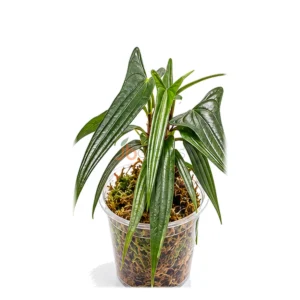
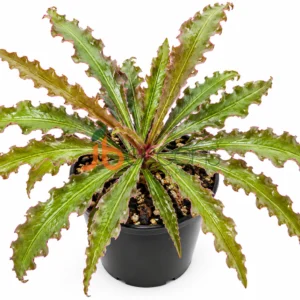
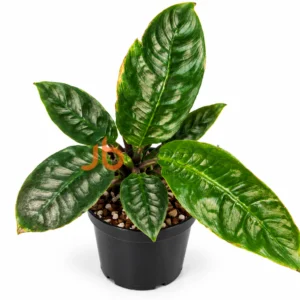
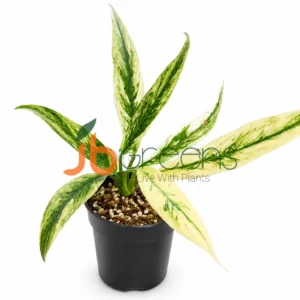
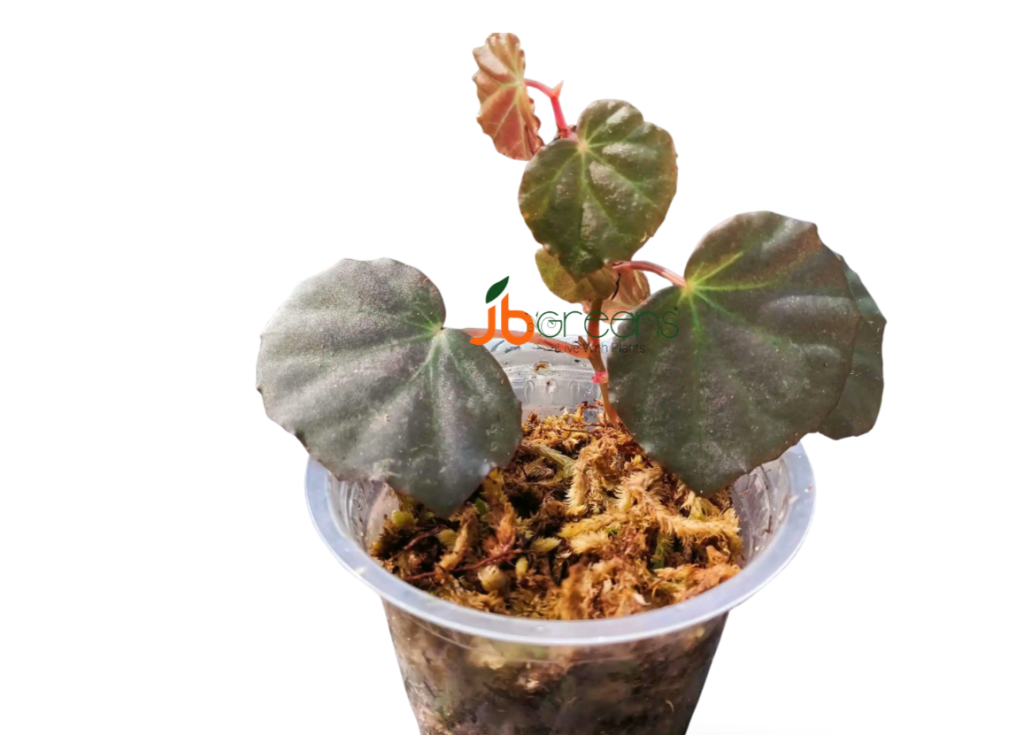
For a foliage-led shortlist, explore Begonia lichenora and Selaginella Kraussiana Aurea. These links are starting points for a nursery discussion, not a promise that the two belong together in every jar. Ask about the actual plant size, its current growing conditions and whether the nursery recommends your proposed vessel. Keep the plant labels with your care notes so future advice refers to the right plant.
Test the location before planting
Place the empty vessel where you intend to display it. Watch the location at different times of day, including periods when you are usually away. Direct sun can overheat a glass enclosure. Check whether a curtain, neighbouring building or air-conditioning vent changes the conditions. Photograph the proposed position and measure the opening; those details make a conversation with the nursery much more useful than describing a room as simply bright.
Prepare a maintenance route as carefully as the front view. Can you reach the back corner with tweezers? Can you remove the largest plant without damaging its neighbours? Will the lid open under the shelf above? A rounded vessel may look generous but have a narrow neck. Choosing a wider opening is a practical design decision, particularly for a first project or a collection that you expect to rearrange.
Give the design room to evolve
Begin with fewer plants than the vessel appears able to hold. Leave a visible gap around your main specimen and a place to inspect the growing medium. Keep a dated photograph of the first arrangement. Later, compare growth with that image before adding more plants. The best choice is the container you can manage confidently: one that lets you see changes, reach the plants and adjust the design as your collection develops.