Labisia: leave space for exceptional leaves
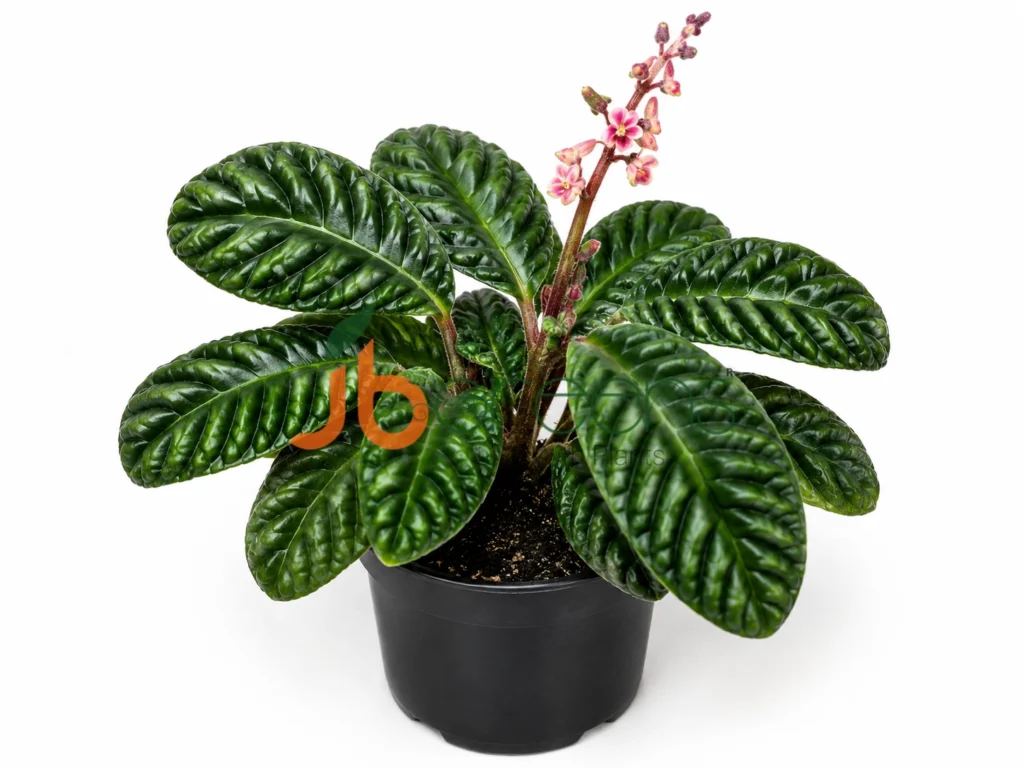
Labisia is an appealing choice for a collector who wants foliage to be the main event. A considered display can make a single plant feel complete, without surrounding it with several competing specimens. The first design task is to understand what the name refers to and how much space the plant may require. A young plant that photographs well in a small glass vessel is not necessarily a permanent miniature.
Separate the species from the sales name
Singapore's National Parks Board places Labisia pumila in Primulaceae and records a plant that can reach around half a metre in height, with substantial leaves. It lists semi-shade and moderate water requirements for that species. These broad descriptors are useful orientation, not a detailed indoor recipe. They should not be copied wholesale onto every plant sold under an informal Labisia name or applied as a guarantee of an individual cultivar's final size.
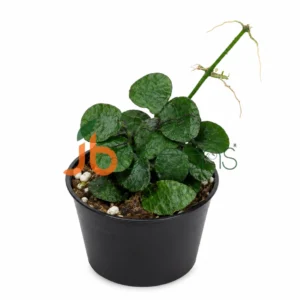
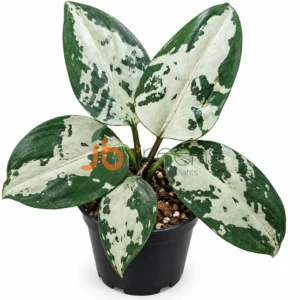
The JB Greens catalogue includes Labisia pumila 'Green'. Keep the complete label and ask whether the nursery has additional information about the selection. If considering another trade name, record that name exactly and ask what identification is confirmed. Do not identify a plant solely from a colour comparison. Photographs, lighting and plant age can make comparisons difficult, and a tidy label is not worth the loss of useful uncertainty.
Measure the space that leaves will occupy
Before selecting a vessel, measure the intended display position and make a simple paper footprint. Mark the area you want the mature plant to occupy, then add room to view it without pressing foliage against the sides. Ask the nursery about expected spread under cultivation and the current plant's stage of growth. If reliable dimensions are unavailable, choose a setup that allows later movement rather than committing to a narrow-necked enclosure.
Look at the design from the angle you will use every day. A low arrangement may reveal the foliage better on a desk than on a high shelf. Keep supporting materials visually restrained, and leave a place where the plant base and medium can be inspected. Test access with an empty pot. A decorative arch of wood should not trap the specimen so effectively that routine care becomes a dismantling exercise.
Match the setup before buying media
Ask about the conditions in which the plant was grown and explain the environment you can provide. Include whether the plant will remain in a drained pot or enter a planted enclosure. Those are different practical situations, even when the same plant and growing medium are involved. A nursery recommendation is most useful when it responds to your actual container and location rather than a generic request for “Labisia care”.
Labisia Potting Mix by JB Greens is available in the catalogue, but confirm its ingredients and suitability for the specific plant and setup. Check whether it contains fertiliser before deciding on additional feeding. There is no need to buy a tonic merely to complete a product bundle. Purchase the materials that answer a known requirement, and keep the description or label so you can explain the growing medium if advice is needed later.
Build a useful record
Photograph the plant on arrival, retain the label and record any subsequent change in container or position. When a leaf changes, note whether the change is local or widespread and whether new growth is affected. Share that record rather than trying several treatments at once. Judge the display by its continuing suitability as the plant grows. If it needs a larger setting, moving it can preserve both its character and your enjoyment. Give Labisia a composition with room to develop, and let the plant provide the detail.