

# Ardisia gigantifolia – The Giant-Leafed Jewel of the Rainforest
At **JB Greens**, we curate only the most exceptional and rare tropical flora for our collectors, and *Ardisia gigantifolia* is a true botanical masterpiece. With its dramatically textured, oversized foliage and resilient nature, this rare species adds an ancient, prehistoric elegance to any premium plant collection or specialized enclosure.
—
## Botanical Origins & Lineage
* **Family:** Primulaceae (formerly classified under the family Myrsinaceae).
* **Discovery & Nomenclature:** The species was formally described and named by the renowned Austrian botanist **Otto Stapf**.
* **Natural Habitat:** This magnificent understory plant is native to the deeply shaded, humid, and mountainous tropical forests of Southern China and Southeast Asia. In the wild, it thrives on the damp, nutrient-dense forest floor, completely sheltered by the heavy jungle canopy above.
## Distinctive Features & Identification
The species name *gigantifolia* translates directly to “giant leaf,” which is its defining characteristic. You can easily identify a true *Ardisia gigantifolia* by looking for the following physical traits:
* **Bullate Foliage:** The exceptionally large, ovate-to-elliptic leaves are heavily textured (bullate) with a puckered, quilted appearance. Depending on the lighting and exact phenotype, the leaves showcase a moody, dark green-to-bronze coloration with striking, highly contrasted venation.
* **Blooms & Berries:** Mature plants produce terminal umbellate inflorescences—clusters of delicate, star-shaped pinkish-purple flowers that emerge from the center of the plant. These are eventually followed by small, round, red berries.
* **Growth Habit:** It grows as a compact, low-profile subshrub. Instead of growing tall, it spreads its massive leaves outward to maximize its ability to capture scarce light on the forest floor.
—
## The Ultimate Scaping Plant: Terrariums & Paludariums
For the dedicated scaper, *Ardisia gigantifolia* is a highly coveted structural plant. Because it has evolved over millennia to thrive in damp, still-air environments, it is remarkably well-adapted to life under glass.
* **Terrariums:** Its massive, highly textured leaves create incredible depth and visual weight, making it a perfect mid-ground or background focal point in larger terrariums and vivarium setups.
* **Paludariums:** While it loves ambient moisture, it does not tolerate being submerged. Plant it on the elevated land sections or built-up hardscape platforms of your paludarium, ensuring the root system remains entirely above the water line while the foliage basks in the humid air.
## Comprehensive Care & Cultivation Guide
Replicating its natural rainforest floor environment is the key to unlocking the deepest colors and largest leaves.
### Lighting Requirements
**Partial to Full Shade.** Do not expose this plant to harsh, direct sunlight. In a terrarium, position it away from the most intense central grow lights. It prefers bright, indirect light or dappled shade. Too much light will scorch the delicate foliage and wash out its dark, rich colors.
### Watering
**Consistently Moist.** *Ardisia gigantifolia* requires steady moisture but will quickly succumb to root rot if left in standing water (it despises “wet feet”). Water deeply only once the top layer of the substrate begins to feel slightly dry to the touch.
### Humidity Requirements
**High (70% – 90%+).** This species demands a highly humid environment to prevent its massive leaves from crisping at the edges. It performs best inside closed terrariums, greenhouse cabinets, or with the aid of automated misting systems.
### Potting & Substrate
A loose, incredibly airy, and well-draining substrate is mandatory. The roots need high oxygen exchange while retaining ambient moisture. **To guarantee the perfect balance of drainage and moisture retention, plant your *Ardisia* in the premium, hand-mixed [Potting Media available at www.jbgreens.com](https://www.jbgreens.com).** Our specialized mixes are crafted specifically for rare tropicals to prevent compaction and safeguard against root rot.
### Nutrient Requirements
**Low to Moderate.** As a slow-growing understory plant, it is not a heavy feeder. Apply a highly diluted, balanced liquid fertilizer during the active spring and summer growing seasons. **To safely boost foliage size and enhance those striking leaf colors, we recommend using the gentle, professional-grade [Plant Tonics sold by JB Greens](https://www.jbgreens.com), specifically engineered to nourish without burning delicate roots.**
### Repotting
Repot every **1 to 2 years**, or when the plant has completely outgrown its current container and the substrate begins to break down. Because it is a relatively slow-growing subshrub, you generally only need to step up one pot size at a time. Always handle the root system gently to avoid transplant shock.
| Plant group | Other foliage & flowering plants |
|---|---|
| Genus | Ardisia |
Only logged in customers who have purchased this product may leave a review.
Related products
-
ABOUT THE PLANT: Common name: Acranthera Sp. Red Metallic Indonesia endemic plant The photo is representative Plant is healthy and in the good condition It is sold per plant
Read more -
ABOUT THE PLANT: Common name: Acranthera Sp. Kapuas Hulu Indonesia endemic plant The photo is representative Plant is healthy and in the good condition It has 2-3 leaves It is sold per plant
Read more -
Adiantum mariesii is quite robust and spreads slowly to form a very attractive clump. –Adiantum mairisii have very good winter hardiness. This is a very rare breed. Dailly care of Adiantum mairisii Sunlight Demand: Part Sun To Light Shade Soil Condition: Peat Moss Water Requirement: High Purchase Size: 1 – 2” (3 – 5 cm)
Read more


Products
-
 Asparagus plumosus
Original price was: $21.44.$16.60Current price is: $16.60.
Asparagus plumosus
Original price was: $21.44.$16.60Current price is: $16.60.
-
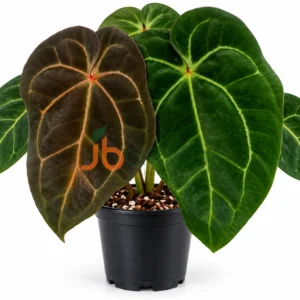 Anthurium BVIT* Docblock
Original price was: $132.77.$119.63Current price is: $119.63.
Anthurium BVIT* Docblock
Original price was: $132.77.$119.63Current price is: $119.63.
-
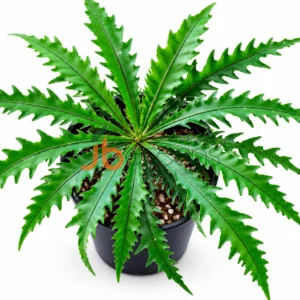 Labisia Star Light
Original price was: $30.43.$22.82Current price is: $22.82.
Labisia Star Light
Original price was: $30.43.$22.82Current price is: $22.82.
-
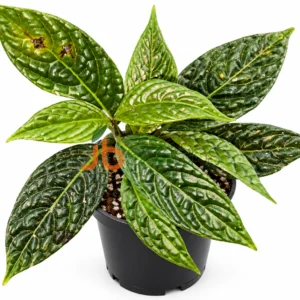 Ardisia Odontiphollia
Original price was: $30.43.$22.82Current price is: $22.82.
Ardisia Odontiphollia
Original price was: $30.43.$22.82Current price is: $22.82.
-
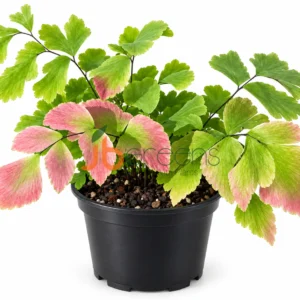 Microphyllum Verigated
Original price was: $22.13.$19.36Current price is: $19.36.
Microphyllum Verigated
Original price was: $22.13.$19.36Current price is: $19.36.

Reviews
There are no reviews yet.