
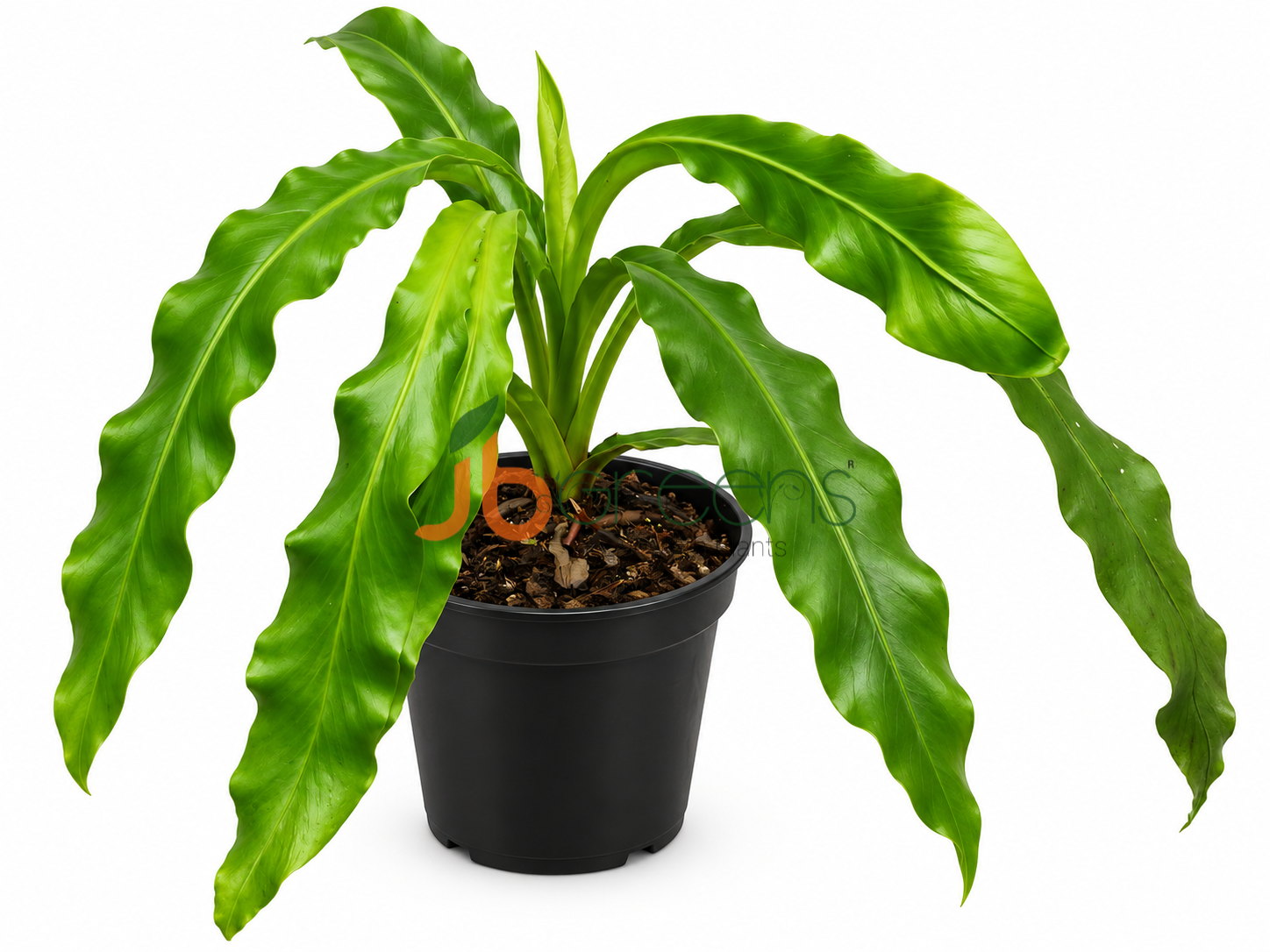
Loxogramma ferns are small to medium epiphytic or rock-dwelling ferns with creeping, scaly rhizomes and leafy patches that spread over bark, stone, or moist ground. They are generally shade-loving, moisture-reliant ferns that suit sheltered, humid places rather than harsh sun or dry exposure.
Description
Loxogramma dictyopteris, a representative species in the group, forms tufts or mats with creeping rhizomes that produce new plants at intervals. The fronds are typically simple, narrow, and elegant in appearance, giving the plant a neat, understated look rather than a bold, large-fern texture. It is usually associated with rocky surfaces, shaded walls, forest trunks, or other protected sites where moisture and cover are steady.
Caring
Keep it in bright but indirect light, with no harsh direct sun, because these ferns are adapted to shaded conditions. Humidity should be high, and the plant should never be allowed to dry out completely for long; moderate, regular watering is better than heavy soaking followed by dryness. Use a loose, free-draining but moisture-retentive medium, since the roots and rhizomes need air as well as steady dampness.
Adaptability
Loxogramma ferns are fairly adaptable within their preferred niche: they can grow epiphytically on bark, lithophytically on rocks, or terrestrially in protected, damp substrate. They are not true generalists, though, because they perform best where shade, humidity, and shelter are consistently present. In practice, they adapt best to stable conditions and usually struggle when exposed to dry air, strong sun, or abrupt temperature swings.
Growing conditions
Ideal growing conditions are warm, humid, and shaded, with good air movement but no drying wind. The medium should stay lightly moist and drain well, so roots never sit in stagnant water. A sheltered wall, humid greenhouse, shaded terrarium, or mounted setup with frequent moisture tends to suit them best.
Practical care notes
Water when the surface starts to feel only slightly dry, not bone dry. Aim for soft, filtered light and avoid placing it near heaters, direct afternoon sun, or very dry indoor air. If grown mounted, it will usually need more frequent misting or watering than a potted plant because mounted plants dry faster.
Best fit
This fern is best for growers who can provide steady humidity and a shaded environment. It is less suitable for hot, open, low-humidity spaces. In the right setup, though, it can be a refined, attractive fern with a naturalistic, collectible character.
Only logged in customers who have purchased this product may leave a review.
Related products
-
Hymenophyllum samoense is a species of filmy fern, a group characterized by their delicate, translucent fronds that are often only a single cell layer thick. As an epiphyte, it typically grows on tree trunks and branches in tropical or subtropical rainforests, where it relies on high humidity and ambient moisture rather than traditional soil-based nutrient …
Add to cart -
Hymenophyllum revolutum (Mini Filmy Fern)
Original price was: $19.36.$16.60Current price is: $16.60.Hymenophyllum revolutum (Mini Filmy Fern) Botanical Name: Hymenophyllum revolutum Family: Hymenophyllaceae Discovered By: William Colenso (19th-century botanist) Common Names: Filmy Fern, Mauku Overview and Life Cycle Hymenophyllum revolutum is an exquisite, creeping miniature fern renowned for its breathtakingly delicate fronds. As a true “filmy fern,” its leaves are literally a single cell thick and lack …
Add to cart -
Hymenophyllum tunbrigense, commonly referred to as the Tunbridge filmy fern, is a small, fragile, perennial leptosporangiate fern known for its highly specialized, delicate appearance. Its fronds are typically 2–8 cm in length, appearing translucent because they are composed of a single cell layer, which gives them a distinctive, net-like, filmy texture. These fronds are bipinnatifid, …
Add to cart -
Microsorum ‘Firework’: An Explosion of Greenery for Your Indoor Jungle Bring a spectacular burst of nature into your home or vivarium with the Microsorum ‘Firework’ fern. True to its name, this captivating tropical plant features highly textured, bright green fronds that fan out and branch dramatically at their tips, perfectly resembling a frozen firework exploding …
Add to cart
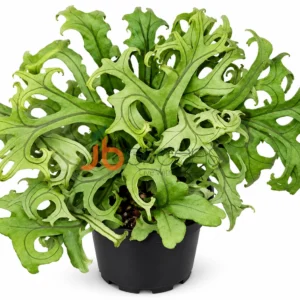
Products
-
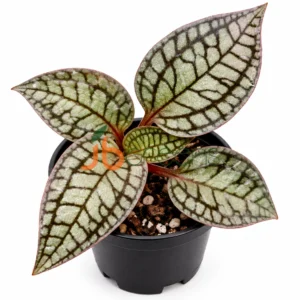 Jewel Cheirostylis montana
Original price was: $20.05.$15.21Current price is: $15.21.
Jewel Cheirostylis montana
Original price was: $20.05.$15.21Current price is: $15.21.
-
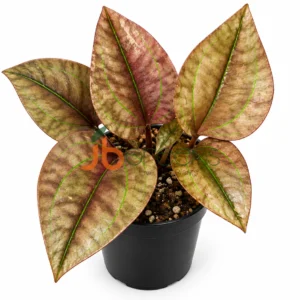 Orchid Nephelaphyllum Pulchrum
Original price was: $17.98.$13.14Current price is: $13.14.
Orchid Nephelaphyllum Pulchrum
Original price was: $17.98.$13.14Current price is: $13.14.
-
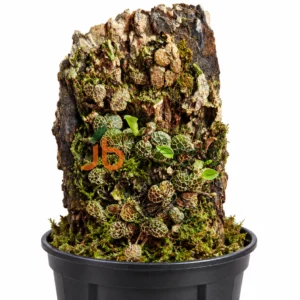 Porpax Reticulata
Original price was: $21.44.$17.98Current price is: $17.98.
Porpax Reticulata
Original price was: $21.44.$17.98Current price is: $17.98.
-
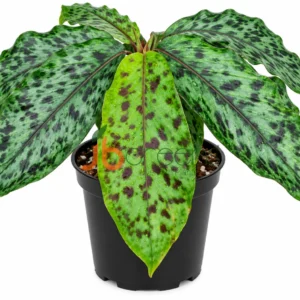 Etlingera brevilabrum
Original price was: $44.26.$38.72Current price is: $38.72.
Etlingera brevilabrum
Original price was: $44.26.$38.72Current price is: $38.72.
-
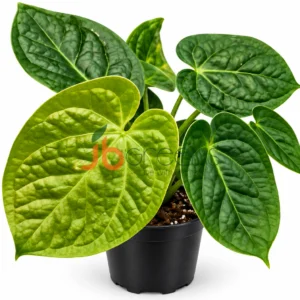 Anthurium Doraiki x Luxurians
Original price was: $62.24.$53.94Current price is: $53.94.
Anthurium Doraiki x Luxurians
Original price was: $62.24.$53.94Current price is: $53.94.

Reviews
There are no reviews yet.