
Ficus ruginervia
The Ultimate Miniature Jewel for Enclosed Ecosystems and Botanical Masterpieces
🌿 Plant Overview & Botanical Profile
Welcome to the enchanting world of miniature tropical flora! Ficus ruginervia (frequently celebrated in the hobbyist community under the trade synonym Ficus Panama or its lance-leaf variants) is an absolute must-have for rare plant collectors, vivarium builders, and terrarium artists. Belonging to the family Moraceae (the fig family) and native to the lush, dense rainforests of Southeast Asia—including Borneo, Malaysia, Sumatra, and Myanmar—this petite, root-climbing liana offers a refined, delicate aesthetic that larger vines simply cannot match.
Unlike its fast-growing cousin Ficus pumila, Ficus ruginervia boasts a much more manageable, slower growth habit, making it an elite choice for detailed scaping where precision and scale matter.
✨ Key Features & Unique Characteristics
-
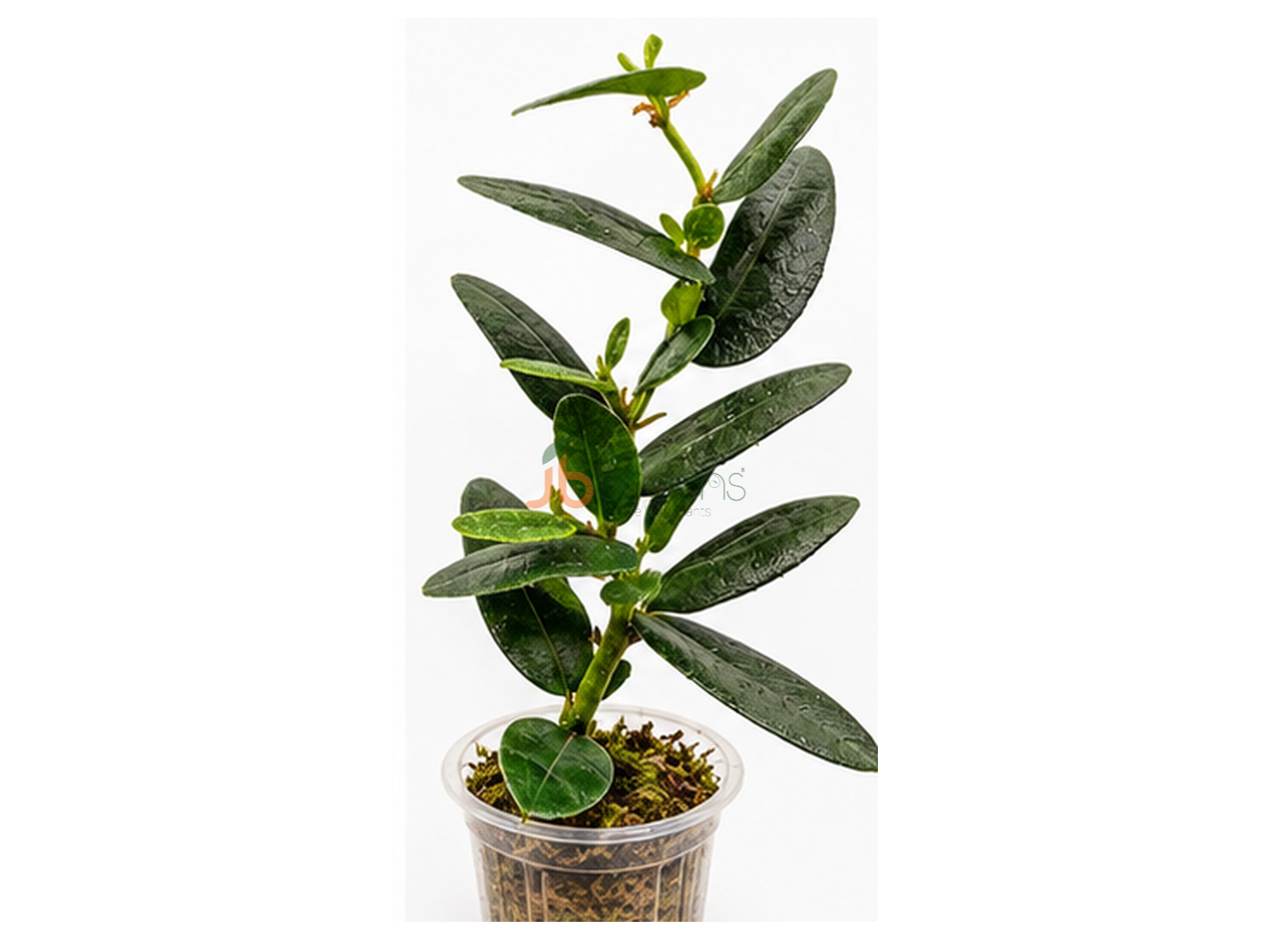
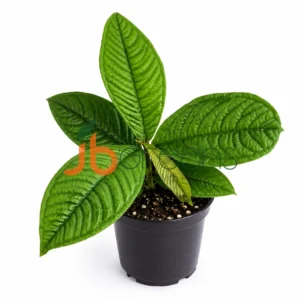
Distinctive Foliage: Features dense, elongated, lanceolate (lance-shaped) leaves that typically mature to about 1 to 2 inches. The leaves possess a rich texture with beautifully defined veins.
-
Growth Habit: A creeping and climbing epiphyte that naturally hugs vertical surfaces, structural wood, background walls, and cork bark.
-
Miniature Scale: Perfect for foreground accents or mid-ground vertical coverage without quickly outgrowing its environment.
🔍 Identification Methods
-
Leaf Shape & Venation: Look for narrow, pointed, lance-like leaves that alternate tightly along wiry, woody stems.
-
Growth Texture: Emits a tight, creeping carpet or vertical vine formation rather than broad, sprawling bush foliage, sticking tightly to whatever surface it scales.
🗺️ Where It Is Normally Found (Natural Habitat)
In the wild, Ficus ruginervia is an understory inhabitant found clinging to damp tree trunks and shaded rock faces within the wet tropical biomes of primary lowland and montane forests across Western Malesia and Sundaland. It thrives in dappled, filtered light beneath dense forest canopies where moisture levels remain consistently elevated.
📜 Taxonomy: Who Found and Named It?
This fascinating species was formally described and published by the legendary botanist Corner (E. J. H. Corner) in 1960 (Gard. Bull. Singapore 18: 24), a preeminent authority on Asian tropical trees and the family Moraceae.
🧪 Terrarium & Paludarium Suitability (Speciality)
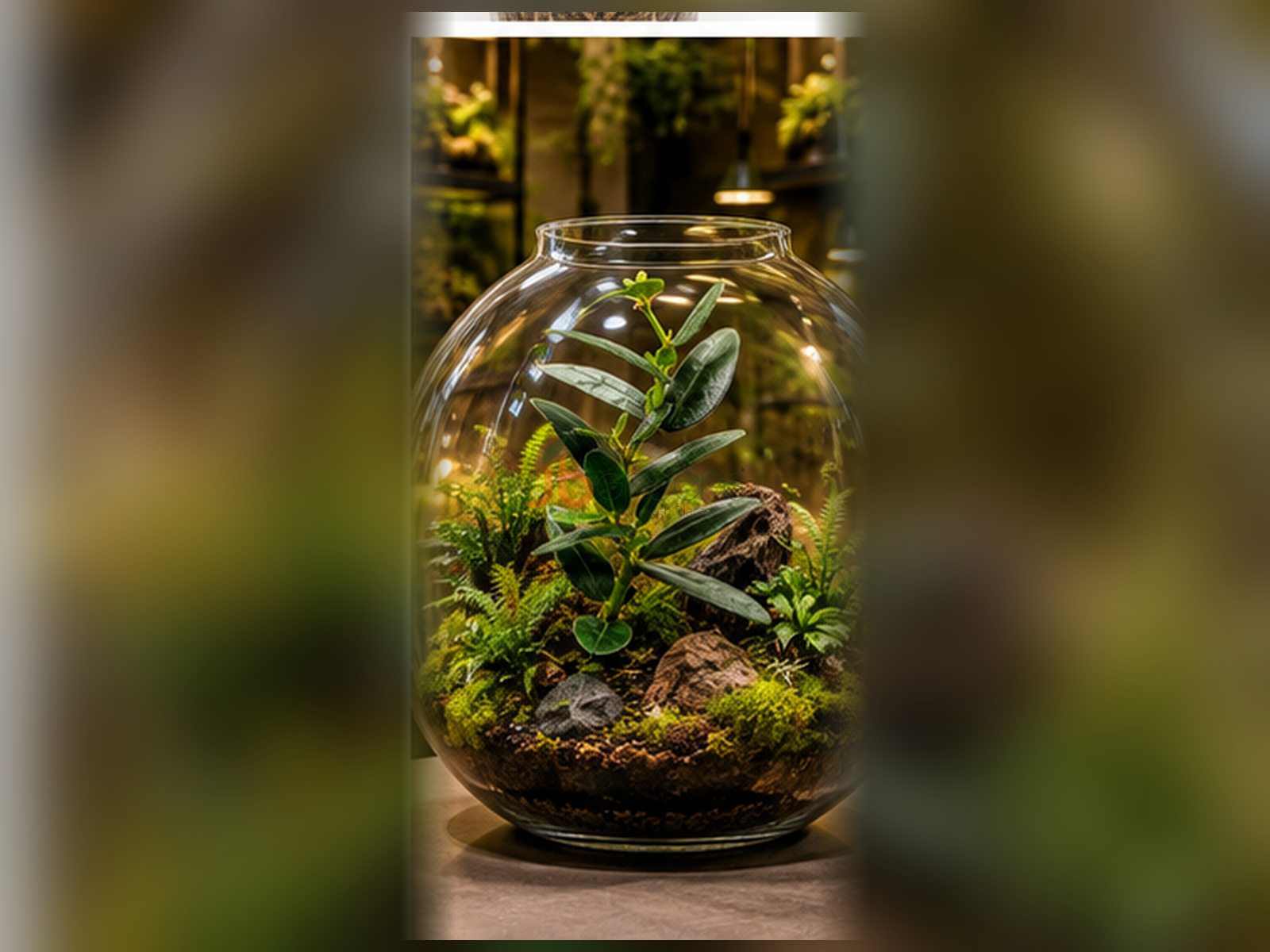
Ficus ruginervia is widely considered holy grail material for bioactive terrariums, dart frog enclosures, and high-end paludariums.
-
Background Climber: It naturally tacks onto background panels (such as expanding foam, Xax wood, or tree fern fiber), turning flat surfaces into living, breathing green tapestries.
-
High Humidity Lover: It prospers in the high-humidity, stable microclimates of closed or semi-closed glass containers.
-
Moisture Management: It handles moist root zones brilliantly, making it safe for the land portions or marginal wet zones of a paludarium setup.
💧 Comprehensive Care Guide
To keep your Ficus ruginervia thriving in peak condition, follow these expert guidelines:
-
Lighting Requirements: Thrives in bright, indirect light to moderate shade (approx. 1,500–2,500 foot-candles). Avoid harsh, direct midday sun, which can scorch its delicate leaves. It also adapts well to quality LED grow lights in indoor setups.
-
Watering Requirements: Prefers evenly moist soil and high ambient moisture. Do not allow it to dry out completely. Regular misting or automated terrarium rain systems are ideal.
-
Humidity Requirements: Demands high humidity (70% to 90%+). This is why it performs exceptionally well inside terrariums, glass jars, or indoor greenhouse cabinets (IKEA greenhouse conversions).
-
Nutrient Requirements: Light feeder. Over-fertilizing can harm delicate roots.
🌱 Potting, Media, & Repotting
Because Ficus ruginervia is typically grown mounted on wood or anchored in specialized terrarium substrate, standard heavy garden soil will cause root rot.
-
The Ideal Potting Media: It requires a light, airy, moisture-retentive, yet fast-draining substrate that remains slightly acidic.
💡 Pro-Tip from www.jbgreens.com: For optimal establishment, we strongly recommend planting your Ficus ruginervia using our custom-formulated JBGreens Jungle Potting Media. It provides the exact balance of organic aeration, moisture retention, and micro-nutrients that tropical epiphytes crave.
-
Repotting: If kept in a nursery pot before transferring to a vivarium, repotting is rarely needed more than once every 1–2 years. Move it up only to a slightly larger container, or simply mount direct cuttings onto wood using fishing line or floral adhesive.
✨ Boost Your Plant’s Health with www.jbgreens.com
Give your rare collection the ultimate VIP treatment! To encourage vibrant leaf coloration, robust root anchoring, and lush spreading behavior, feed your plants with our professional-grade JBGreens Plant Tonics & Organic Growth Boosters. Specially crafted for delicate tropical terrarium flora, our tonics enhance cellular strength and stress resistance naturally.
Add the beauty of the Southeast Asian rainforest to your collection today—order your Ficus ruginervia exclusively from www.jbgreens.com!







Reviews
There are no reviews yet.