
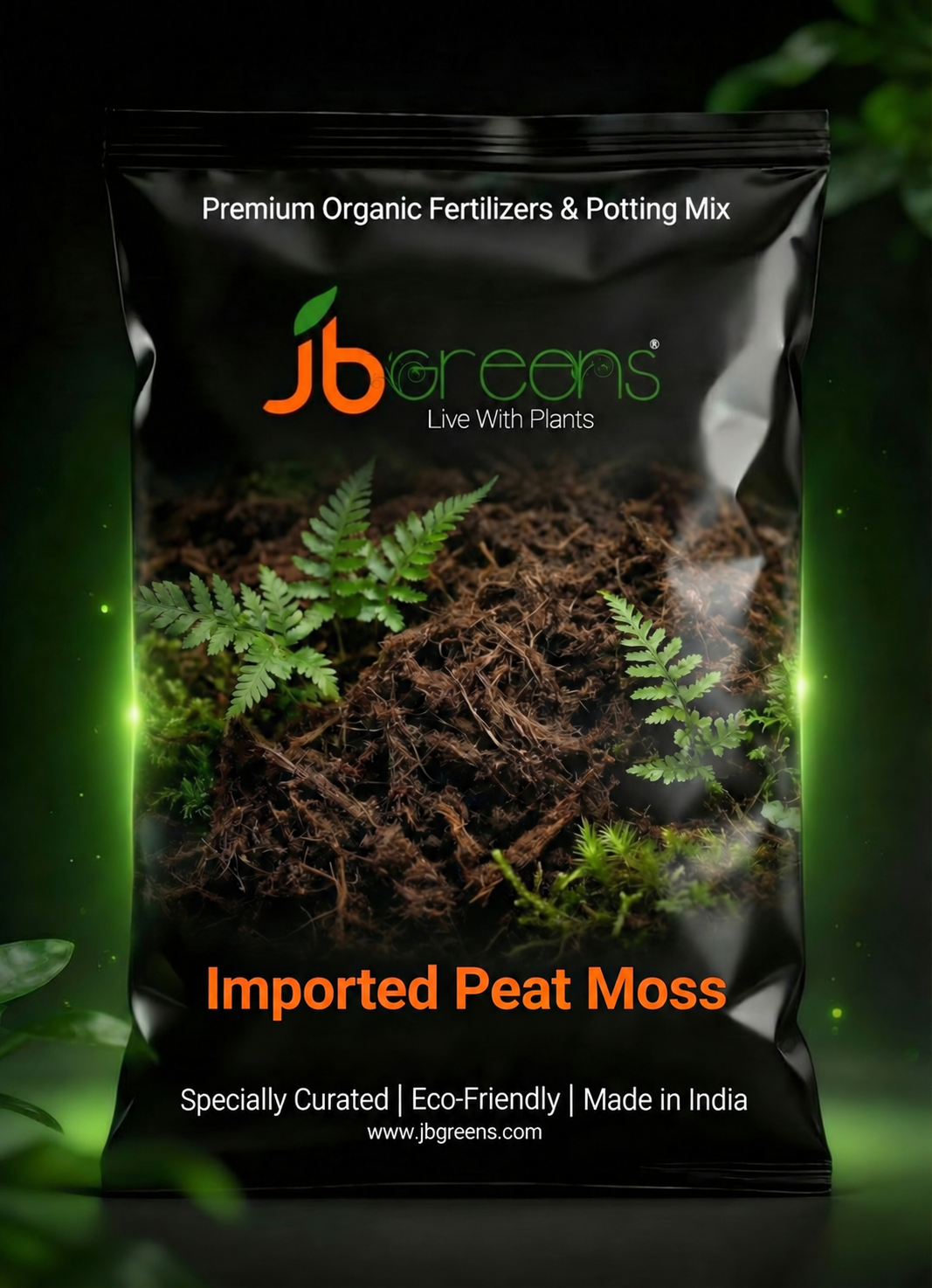
Imported Peat Moss (Premium Sphagnum Peat Substrate)
Curated by JB Greens | Pure, Sterile & Ready for Rare Tropicals, Terrariums & Propagation
Give your rare plants, seedlings, and living glass worlds a clean, moisture-balanced foundation. JB Greens Imported Peat Moss is a premium, sustainably harvested organic growing medium derived from partially decomposed Sphagnum moss. Valued by professional nurseries and botanical collectors worldwide, it delivers airy structure, steady hydration, and gentle acidity that tropical foliage, ferns, begonias, and carnivorous plants thrive in.
Botanical Profile & Origin
-
Source Genus: Sphagnum spp.
-
Botanical Family: Sphagnaceae (Order: Sphagnales, Class: Sphagnopsida, Phylum: Bryophyta)
-
Who Found & Named It: The genus Sphagnum was formally described and named in 1753 by the Swedish botanist Carl Linnaeus—known as the father of modern taxonomy—in his landmark work Species Plantarum. Notably, out of the eight moss genera Linnaeus originally described, Sphagnum is the only one that still stands in modern bryophyte classification.
-
Where It Is Normally Found: Natural Sphagnum peat bogs form in cool, temperate, high-rainfall wetlands of the Northern Hemisphere—most famously across the Baltic region (such as Lithuania and Latvia), Ireland, Scandinavia, and Canada.
-
Life Cycle & Formation: In nature, live Sphagnum grows slowly at the bog surface while its lower layers sink into cool, waterlogged, oxygen-poor (anaerobic) conditions. Over hundreds to thousands of years, this slow decay preserves the moss’s spongy cellular structure, turning it into rich, fibrous peat moss.
Speciality & Key Features
-
Exceptional Water Retention: Its natural cellular structure can hold up to 20 times its dry weight in water, keeping roots evenly hydrated without turning heavy or suffocating when properly blended.
-
Naturally Clean & Sterile: Free from weed seeds, chemical additives, and common soil pathogens—ideal for delicate seedlings and high-value collector plants.
-
pH & Buffering Power: Raw, unlimed peat moss has a naturally acidic pH of 3.5 to 4.5 (ideal for acid-loving plants), while buffered grades sit around 5.5 to 6.5 for general tropicals.
-
Soil & Mix Conditioner: Lightens compacted mixes, boosts aeration, and improves water-holding capacity in custom substrates.
How to Identify Genuine Imported Peat Moss
Not all dark potting materials are true peat moss. Here is how to recognize high-grade imported peat:
-
Color & Texture: Slightly decomposed “white peat” appears light golden-brown and fibrous with higher air space, while more decomposed peat is rich dark brown, softer, and holds more moisture.
-
Zero Grit: Genuine imported peat feels light, spongy, and uniform—never sandy, rocky, or full of coarse wood chips.
-
Aroma: It carries a clean, mild, earthy bog scent with no sour, chemical, or rotting odor.
-
Hydration Behavior: When bone-dry, real peat moss briefly repels water before absorbing it deeply into a soft, springy sponge.
Potting, Care & Environmental Guide
-
Potting & Mixing: Always pre-moisten peat moss with clean water (warm water absorbs faster) before potting.
-
Seed Starting & Propagation: Use pure or blend 70% peat moss with 30% perlite.
-
Tropicals & Aroids: Blend 20%–40% peat moss with chunky bark, perlite, pumice, and charcoal for an airy, well-draining mix.
-
-
Watering: Keep the substrate lightly and evenly moist, never bone-dry or waterlogged. If it dries out completely, soak the pot briefly to rehydrate the fibers evenly.
-
Lighting Requirements: As a substrate, store unused bags in a cool, dry place away from direct sunlight. For tropical plants potted in peat-based mixes, bright, indirect light is ideal; avoid harsh direct sun on exposed peat surfaces, which dries the top layer quickly.
-
Humidity Requirements: Peat moss naturally helps elevate root-zone humidity. It performs best in 60%–85% ambient humidity environments alongside moisture-loving tropicals, ferns, and begonias.
-
Nutrient Requirements: Pure peat moss is naturally low in dissolved nutrients (EC below 0.3 mS/cm) and acts as a clean base rather than a complete fertilizer. Pair it with gentle organic feeding or JB Greens Plant Tonics to support steady growth.
-
Repotting & Refreshing: Over 12 to 18 months, peat moss gradually breaks down and compacts. Refresh or repot your plants once a year (or when the mix begins to hold water too long) to maintain healthy root aeration.
Uses in Terrarium & Paludarium Setups
Imported Peat Moss is a cornerstone ingredient for closed terrariums, vivariums, and paludariums:
-
Terrarium Substrate Base: Forms the moisture-retaining core of classic bioactive and ABG-style terrarium mixes, supporting delicate Begonia, Labisia, Elatostema, ferns, and jewel orchids.
-
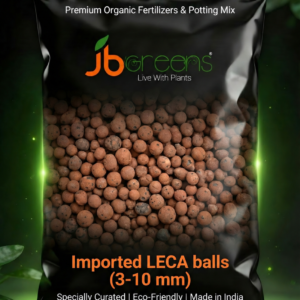
Paludarium Land & Transition Zones: Place above a 2–5 cm drainage layer (LECA, lava rock, or gravel) separated by a fine mesh barrier. Use peat-blended soil in the terrestrial layer (5–8 cm deep) to shape gentle slopes, hold moisture for semi-aquatic plants, and support beneficial microfauna like springtails and isopods.
-
Moss & Epiphyte Support: Helps establish lush foreground mosses and provides gentle acidity that mimics natural rainforest floors.
Complete Your Growing Routine with JB Greens
For effortless results across your entire collection, pair our Imported Peat Moss with our nursery-tested essentials at www.jbgreens.com:
-
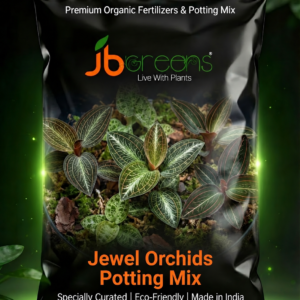
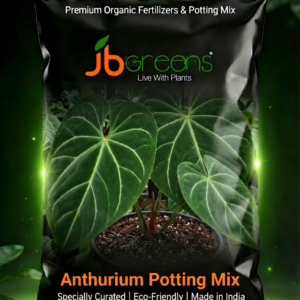
Ready-to-Use JB Greens Growing Media: Prefer a pre-balanced, ready-to-pot blend? Explore our specialized, Bengaluru-formulated mixes—including our Aroids Potting Mix, Anthurium Potting Mix, Philodendron Potting Mix, Scindapsus Potting Mix, Orchid Potting Mix, and Piper Potting Mix—engineered for ideal drainage, aeration, and root health.
-
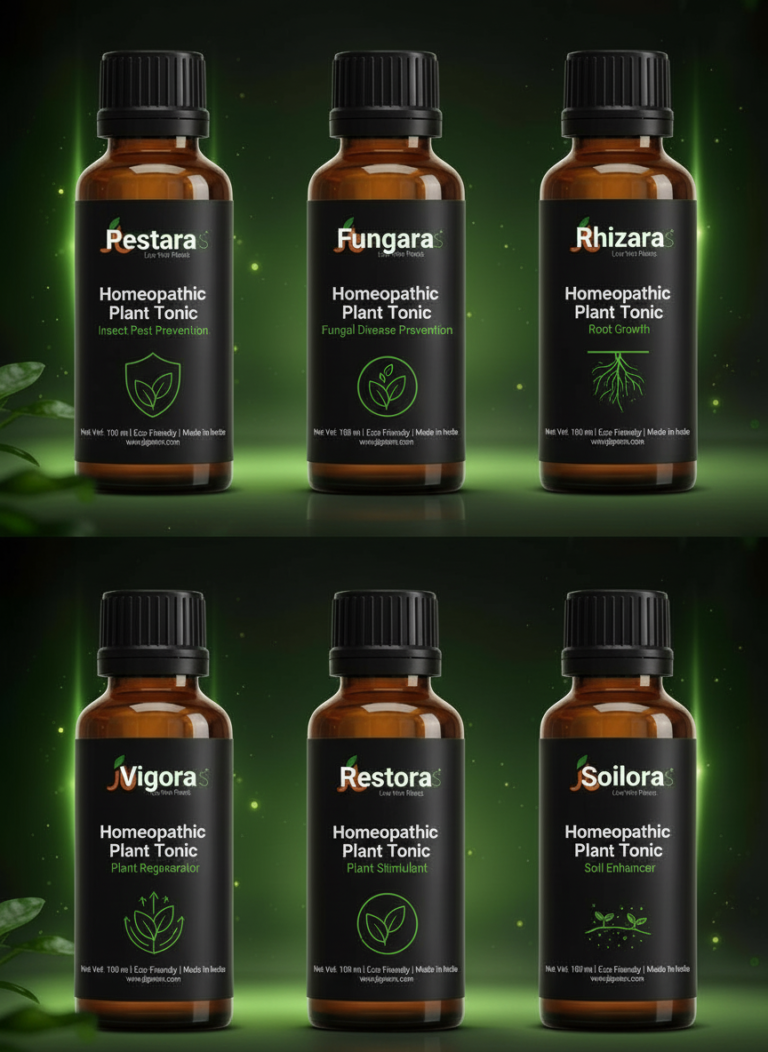
JB Greens Homeopathic Plant Tonics: Because peat moss is a clean, low-nutrient base, nourish your plants and build living substrate biology with our Complete Homeopathic Tonic Combo:
-
Rhizara & Soilora: Stimulate vigorous new roots and enrich beneficial microbial activity right after potting.
-
Vigora & Restora: Drive lush vegetative growth and help newly repotted or stressed plants recover smoothly.
-
Fungara & Pastara: Support natural resilience against fungal pressure and common pests—100% organic-friendly and safe for terrariums, pets, and beneficial ecosystems.
-


Reviews
There are no reviews yet.