
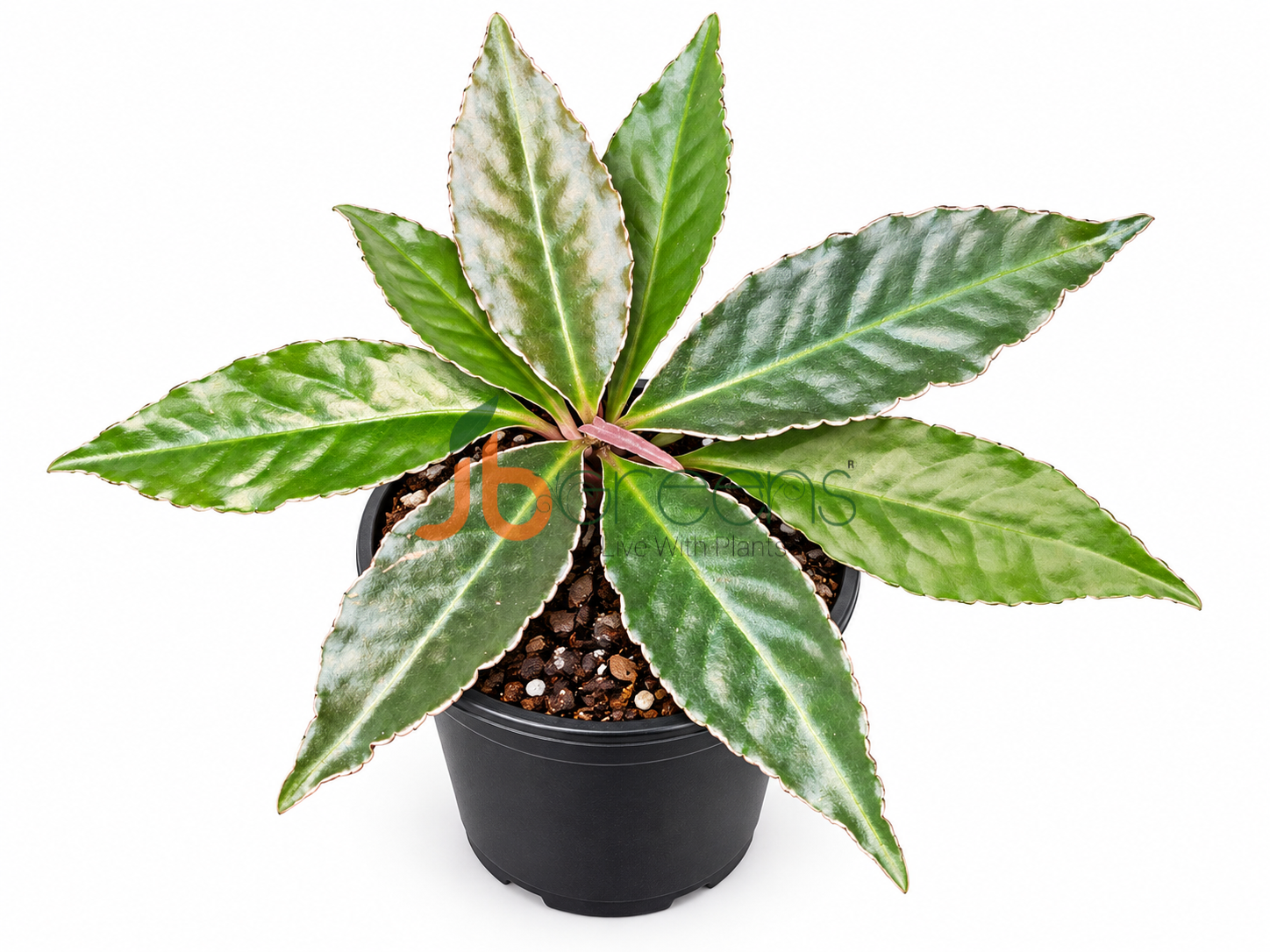
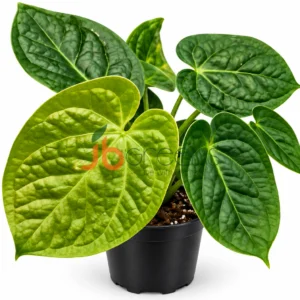
Ardisia sp. “Papua” refers to a variable‑named or locality‑linked form of the Ardisia genus, typically associated with forms from Papua New Guinea or nearby islands. It is an evergreen shrub with glossy foliage and pan‑tropical growing preferences, though its exact taxonomic status is not always fixed in horticulture. Below is a detailed, practical overview tailored to such a plant.
Physical description
Ardisia sp. Papua is a small evergreen shrub, usually growing 0.5–1.5 m tall in cultivation, with a compact, upright or slightly spreading habit. Leaves are leathery, glossy, and lance‑ to oval‑shaped, with a dark green upper surface and often a paler, sometimes slightly purplish underside; margins are usually entire or faintly undulate rather than sharply toothed. The midrib and lateral veins are typically visible but not strongly raised. New growth can be bronze‑tinged or reddish, maturing to a deep green.
Inflorescences are small, terminal or axillary clusters of delicate white to pale pink, bell‑shaped flowers, usually 4–5‑merous. The flowers are not highly showy but can be pleasantly fragrant. After pollination, the plant produces small, rounded drupes that ripen from green to bright red or deep coral, persisting for weeks to months and giving the plant its “coral berry”‑type appeal.
Growing conditions
Light
Ardisia sp. Papua prefers bright, indirect light or dappled shade, similar to an understory forest setting. Direct, harsh midday sun (especially from the south or west) will scorch leaves and reduce vigor. East‑facing or filtered light through a light curtain or netting works well. Indoors, a bright spot away from direct beam sunlight, or under full‑spectrum grow lights, is ideal; avoid deep‑shade corners where growth slows and foliage becomes thin.
Temperature
This plant is adapted to warm, stable temperatures. A comfortable range is roughly 18–28 °C, with some tolerance for brief dips into the mid‑teens or brief rises into the high‑thirties if humidity and ventilation are adequate. It dislikes prolonged cold, strong drafts, and sudden temperature swings; prolonged exposure below about 10–12 °C can induce leaf drop and increased susceptibility to stress.
Humidity and air movement
Ardisia thrives in moderate to high ambient humidity, ideally around 50–70%. In dry air, leaves may develop brown tips or edges and the plant can become more prone to pest issues. Gentle air movement is beneficial to prevent fungal problems, but fan‑blast or strong, continuous drafts on foliage should be avoided. Grouping plants, using a tray with pebbles and water, or a humidifier can help maintain suitable moisture around the plant.
Soil and drainage
The root system prefers a well‑draining, moisture‑retentive, slightly acidic medium. A good mix typically includes components that retain moisture (like peat‑like material or coconut‑based substrates) balanced with coarse elements (perlite, pumice, or fine bark) to prevent compaction and waterlogging. Soil pH in the slightly acidic range (around 5.5–6.5) supports healthy growth and nutrient uptake. Avoid heavy, clay‑rich soils that stay soggy, as they quickly promote root rot.
Watering
Water when the top portion of the mix begins to feel light but not fully dry; keep the root zone evenly moist without letting the plant sit in water. Pot‑grown plants should have holes at the base and never stand in a saucer full of water for long periods. Overly dry cycles can cause leaf drop and stress; consistently waterlogged conditions lead to root rot and collapse. In cooler or lower‑light periods, reduce watering frequency slightly.
Fertilization
Ardisia responds well to regular, light feeding during active growth. A balanced, water‑soluble fertilizer at half or quarter strength applied every 3–4 weeks from spring through early autumn is usually sufficient. Use a fertilizer with slightly higher potassium if available, to support flowering and fruiting. Avoid heavy, concentrated feeding, and reduce or stop fertilizing during cooler, low‑light phases (late autumn to winter) when growth slows.
Care and maintenance
Pruning and shaping
Pruning can be done to control size, promote bushiness, or remove leggy or damaged growth. Light tip‑pinching encourages branching and a denser habit. Heavy pruning should be done gradually, taking care not to remove too much foliage at once, especially on older or stressed plants. Prune after major growth flushes or in early spring, before the main flush, to avoid cutting off potential flowering wood. Sterilize cutting tools between plants to reduce disease transmission.
Repotting
Young plants may need repotting every 2–3 years as roots fill the container; mature specimens can often remain in the same pot for several years, with top‑dressing and occasional root‑trimming. When repotting, choose a pot only slightly larger than the previous one and refresh the mix, trimming any rotten or excessively circling roots. Handle the root ball gently to avoid disturbing the fine feeder roots.
Propagation
Ardisia sp. Papua can be propagated through softwood or semi‑hardwood cuttings, or by seed where available. For cuttings, select healthy, non‑flowering stems with several nodes, remove the lower leaves, and place into a moist, well‑draining propagation mix under high humidity and warm, indirect light. Rooting can be slow, often taking several weeks. Seed propagation is more variable; fresh seeds may require warm temperatures and consistent moisture, with germination times ranging from weeks to months depending on conditions.
Pests and common issues
Common issues include scale insects, mealybugs, and spider mites, especially in drier or poorly ventilated environments. Watch for sticky residue, white fluff, or fine webbing on leaves and stems; early manual removal or gentle wiping with soapy water can help. Overwatering and poor drainage can lead to root‑rot symptoms (yellowing, wilting, leaf drop and soft stems); improving drainage and adjusting watering habits is key. Occasionally leaves yellow if the soil becomes too alkaline or nutritionally unbalanced, so monitoring pH and fertilizer use helps.
Adaptability and behavior
Ardisia sp. Papua is relatively slow‑growing but can be quite long‑lived with consistent conditions. It adapts reasonably well to container culture, especially when light, humidity, and moisture are held within its preferred range. It is not a “fill‑in” or fast‑growing accent but rather a specimen‑type shrub that improves in form and density over time. Once acclimated, it tends to hold its foliage well and can become quite dense if given adequate light and regular, gentle grooming.
In terms of environmental resilience, it handles moderate shade and modest temperature fluctuations but is less tolerant of extremes: prolonged drought, cold snaps, or very hot, dry, direct‑sun environments are likely to reduce vigor and increase pest susceptibility. With attention to its understory‑type preferences—dappled light, steady moisture, and good air movement—this Ardisia form can be a rewarding foliage and berry‑bearing plant in the right setting.
Only logged in customers who have purchased this product may leave a review.
Related products
-
Here is a detailed description and care guide for Ardisia Sp Pink Line: Description: Ardisia Sp Pink Line is a species within the genus Ardisia, family Primulaceae, originating from Asia. It features lance-shaped leaves with serrated pink edges and either a light green or green leaf center with prominent pink lines running down the center. …
Add to cart -
ABOUT THE PLANT: Indonesia endemic plant The photo is representative Plant in the good condition and healthy It has 6-7 leaves It is sold per plant Ardisia is a genus of flowering plants in the family Primulaceae. It was in the former Myrsinaceae family now recognised as the myrsine sub-family Myrsinoideae. They are distributed in the …
Add to cart -
# Ardisia gigantifolia – The Giant-Leafed Jewel of the Rainforest At **JB Greens**, we curate only the most exceptional and rare tropical flora for our collectors, and *Ardisia gigantifolia* is a true botanical masterpiece. With its dramatically textured, oversized foliage and resilient nature, this rare species adds an ancient, prehistoric elegance to any premium …
Add to cart -
ABOUT THE PLANT: Indonesia endemic plant from Papua The photo is representative Plant in the good condition and healthy 4-9 leaves It is sold per plant Ardisia is a genus of flowering plants in the family Primulaceae. It was in the former Myrsinaceae family now recognised as the myrsine sub-family Myrsinoideae. They are distributed in …
Read more

Products
-
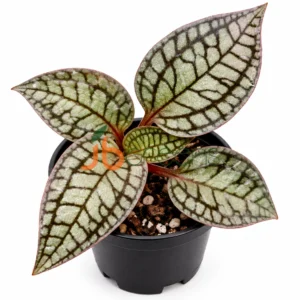 Jewel Cheirostylis montana
Original price was: ₹1,450.00.₹1,100.00Current price is: ₹1,100.00.
Jewel Cheirostylis montana
Original price was: ₹1,450.00.₹1,100.00Current price is: ₹1,100.00.
-
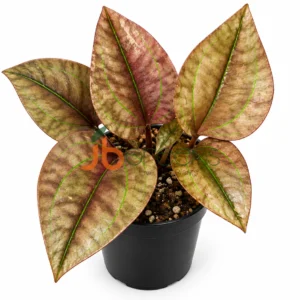 Orchid Nephelaphyllum Pulchrum
Original price was: ₹1,300.00.₹950.00Current price is: ₹950.00.
Orchid Nephelaphyllum Pulchrum
Original price was: ₹1,300.00.₹950.00Current price is: ₹950.00.
-
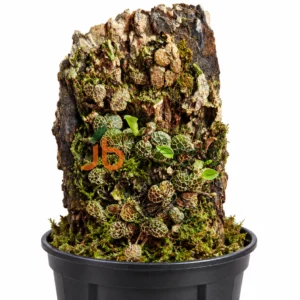 Porpax Reticulata
Original price was: ₹1,550.00.₹1,300.00Current price is: ₹1,300.00.
Porpax Reticulata
Original price was: ₹1,550.00.₹1,300.00Current price is: ₹1,300.00.
-
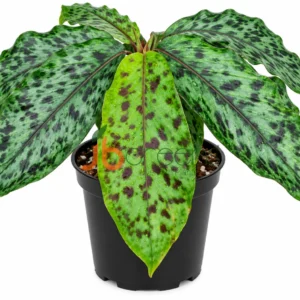 Etlingera brevilabrum
Original price was: ₹3,200.00.₹2,800.00Current price is: ₹2,800.00.
Etlingera brevilabrum
Original price was: ₹3,200.00.₹2,800.00Current price is: ₹2,800.00.
-
 Anthurium Doraiki x Luxurians
Original price was: ₹4,500.00.₹3,900.00Current price is: ₹3,900.00.
Anthurium Doraiki x Luxurians
Original price was: ₹4,500.00.₹3,900.00Current price is: ₹3,900.00.


Reviews
There are no reviews yet.