
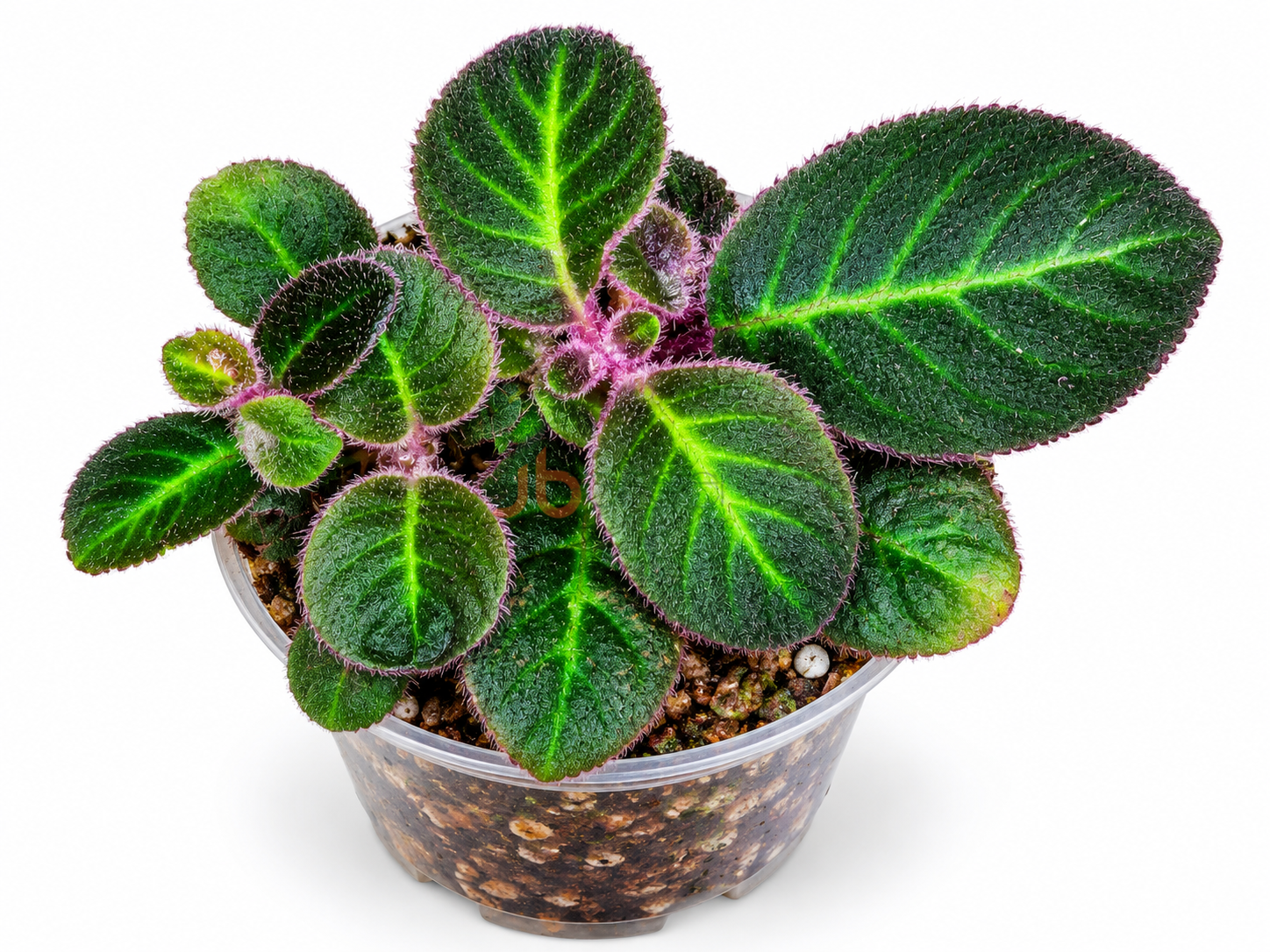
Codonoboea cf. pumila (Sonerila sp. “Dark Glow”)
Plant Overview & Botanical Profile
-
Botanical Name: Codonoboea cf. pumila (commonly circulated in the vivarium hobby as Sonerila sp. “Dark Glow”)
-
Family: Gesneriaceae
-
Life Form: Tropical perennial subshrub / lithophytic-terrestrial herbaceous understory plant
-
Native Range: Deep tropical rainforest floors and shaded riverbanks of Southeast Asia (primarily Peninsular Malaysia, Indonesia, and Sumatra)
Who Found and Named It?
The genus Codonoboea has a rich taxonomic history. The species Codonoboea pumila was originally scientifically documented and named by the renowned English botanist Henry Nicholas Ridley in 1905 as Didymocarpus pumilus. Over the decades, as taxonomic revisions mapped out the complex Gesneriaceae family, it traveled through the genus Henckelia before being officially reclassified into Codonoboea by C.L. Lim in 2011.
Key Features & Identification Methods
-
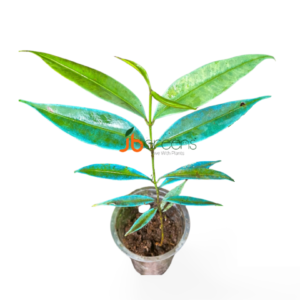
The “Dark Glow” Foliage: This variant features mesmerizing, deep charcoal-to-blackish green leaves that catch the light with an iridescent, jewel-like sheen.
-
Texture & Form: Compact, low-growing growth habit with velvety or softly textured leaves that form neat, dense rosettes or miniature subshrub layers.
-
Identification Clues: Unlike true Sonerila species (which typically feature 3-nerved leaves and distinct melastome-like traits), Codonoboea cf. pumila belongs to the Gesneriaceae family, identifiable by its paired opposite leaves, distinct tubular or bell-shaped delicate flowers, and specialized fibrous root systems adapted to moisture-retentive organic pockets on rocks and forest floors.
Speciality & Why Collectors Love It
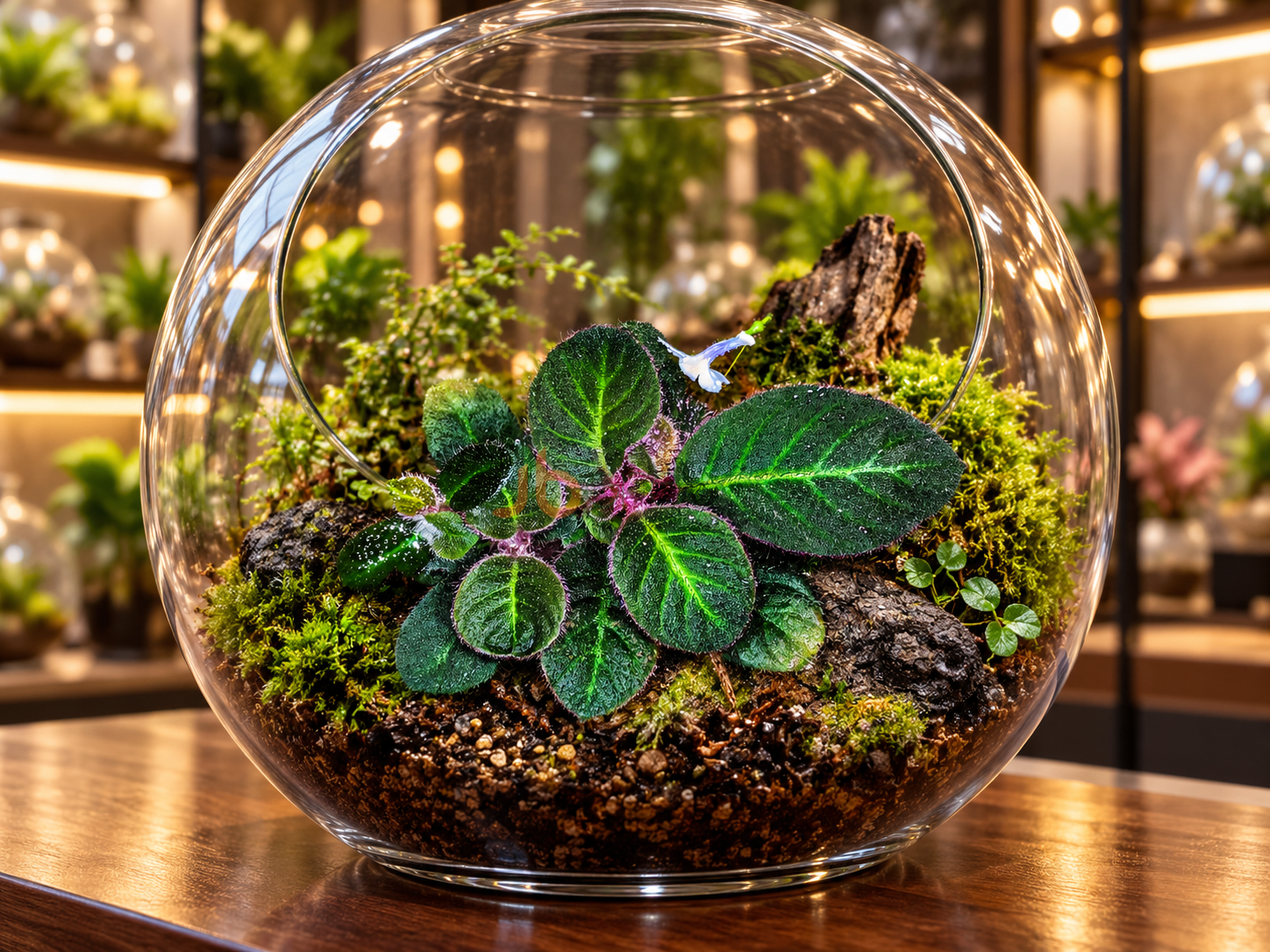
Codonoboea cf. pumila is an absolute holy grail for scapers and rare plant connoisseurs. Often sought after under the trade name “Dark Glow,” its striking, light-absorbing dark foliage provides a dramatic contrast against bright green mosses and lighter-leafed terrarium flora. It acts as a majestic focal piece in miniature landscapes, bringing an exotic, untouched slice of the Southeast Asian jungle right into your home.
Habitat & Natural Environment
In the wild, this plant is found blanketing the damp, shaded lower strata of primary and secondary lowland tropical rainforests. It thrives in high humidity microclimates, typically nestling in rich organic leaf litter or clinging to mossy, moisture-laden rocks near trickling streams and shaded ridges.
Comprehensive Care Guide
| Parameter | Optimal Requirement |
| Lighting | Low to medium indirect light. Avoid direct sunlight at all costs, as it will scorch the delicate leaves. Perfect for LED-lit terrariums or shaded indoor corners. |
| Watering | Keep consistently moist but never waterlogged. Use only distilled water, reverse osmosis (RO), or clean rainwater to prevent mineral buildup on the leaves. |
| Humidity | Very High (75% – 95%+). This is a mandatory requirement; it thrives best in enclosed environments like glass terrariums or paludariums. |
| Temperature | Tropical range: 22°C to 28°C (72°F to 82°F). Protect from sudden cold drafts or dry air conditioning vents. |
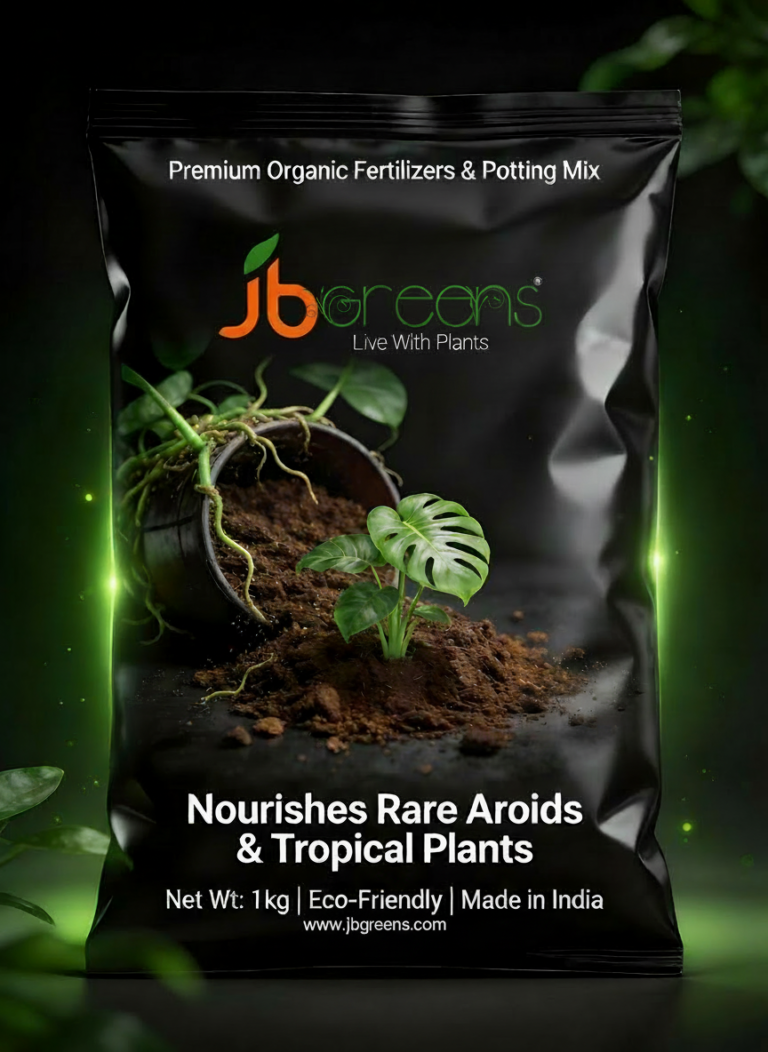
| Potting Media | Needs an airy, highly moisture-retentive, yet well-draining substrate. We highly recommend utilizing specialized premium potting media from www.jbgreens.com formulated specifically for delicate tropical terrarium plants. |
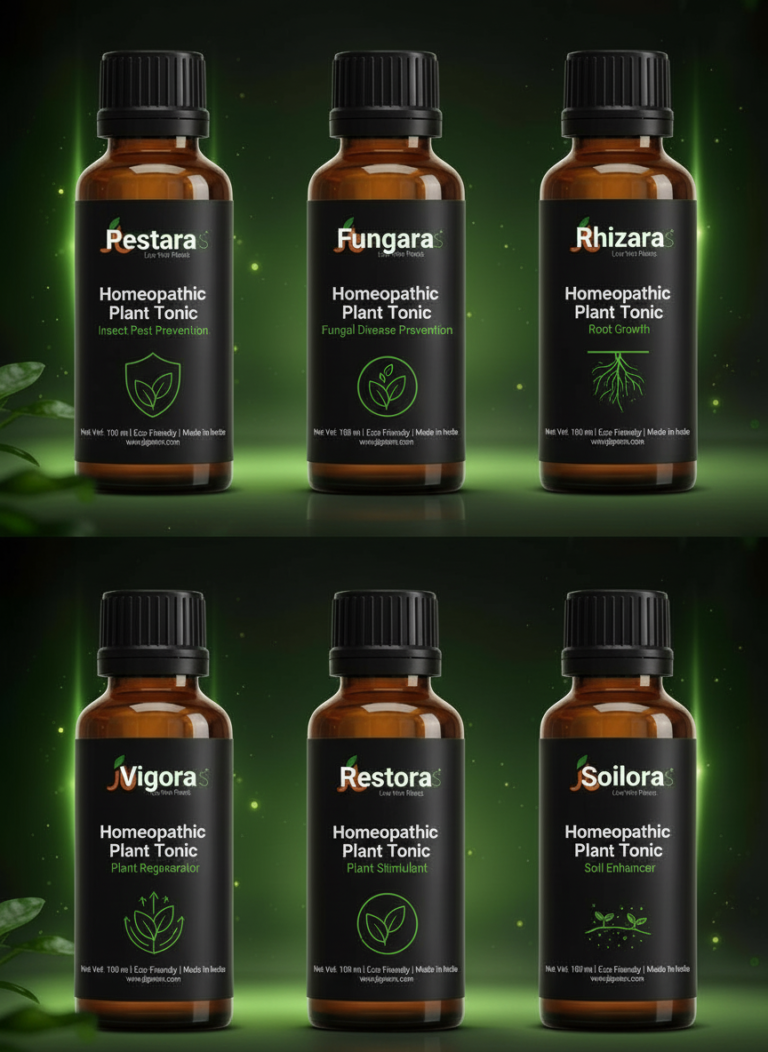
| Nutrient Requirements | Light feeder. Apply a heavily diluted, balanced liquid fertilizer or specialized micro-nutrient plant tonic from www.jbgreens.com once a month during the active growing season to maintain rich coloration. |
| Repotting | Due to its slow-growing, compact nature, it rarely needs repotting. If transitioning or dividing clumps, do so gently during warmer months using fresh, sterile media. |
Perfect Applications: Terrariums & Paludariums
Because Codonoboea cf. pumila demands stable, high-humidity parameters to prevent crisping, it is uniquely suited for closed terrariums, vivariums, and paludariums.
-
In Terrariums: Plant it along the mid-ground slopes or foreground accents where its dark, glowing foliage can contrast brilliantly against brighter cushion mosses or Fittonia.
-
In Paludariums: Position it on the land portions, background walls, or damp driftwood pockets well above the constant waterline, where it can enjoy high ambient moisture and misting cycles.
Complete Your Setup with www.jbgreens.com
To help your Codonoboea cf. pumila thrive to its absolute fullest potential, pair your purchase with our trusted collection:
-
JB Greens Premium Terrarium Potting Media: Expertly blended with organic matter, fine orchid bark, perlite, and long-fiber sphagnum to ensure optimal root aeration and moisture control.
-
JB Greens Specialty Plant Tonics: Specially formulated micro-nutrient drops designed to boost root establishment, enhance leaf coloration, and encourage lush, healthy growth without burning sensitive tropical roots.
Bring home a piece of deep jungle mystery today with www.jbgreens.com!





Reviews
There are no reviews yet.