
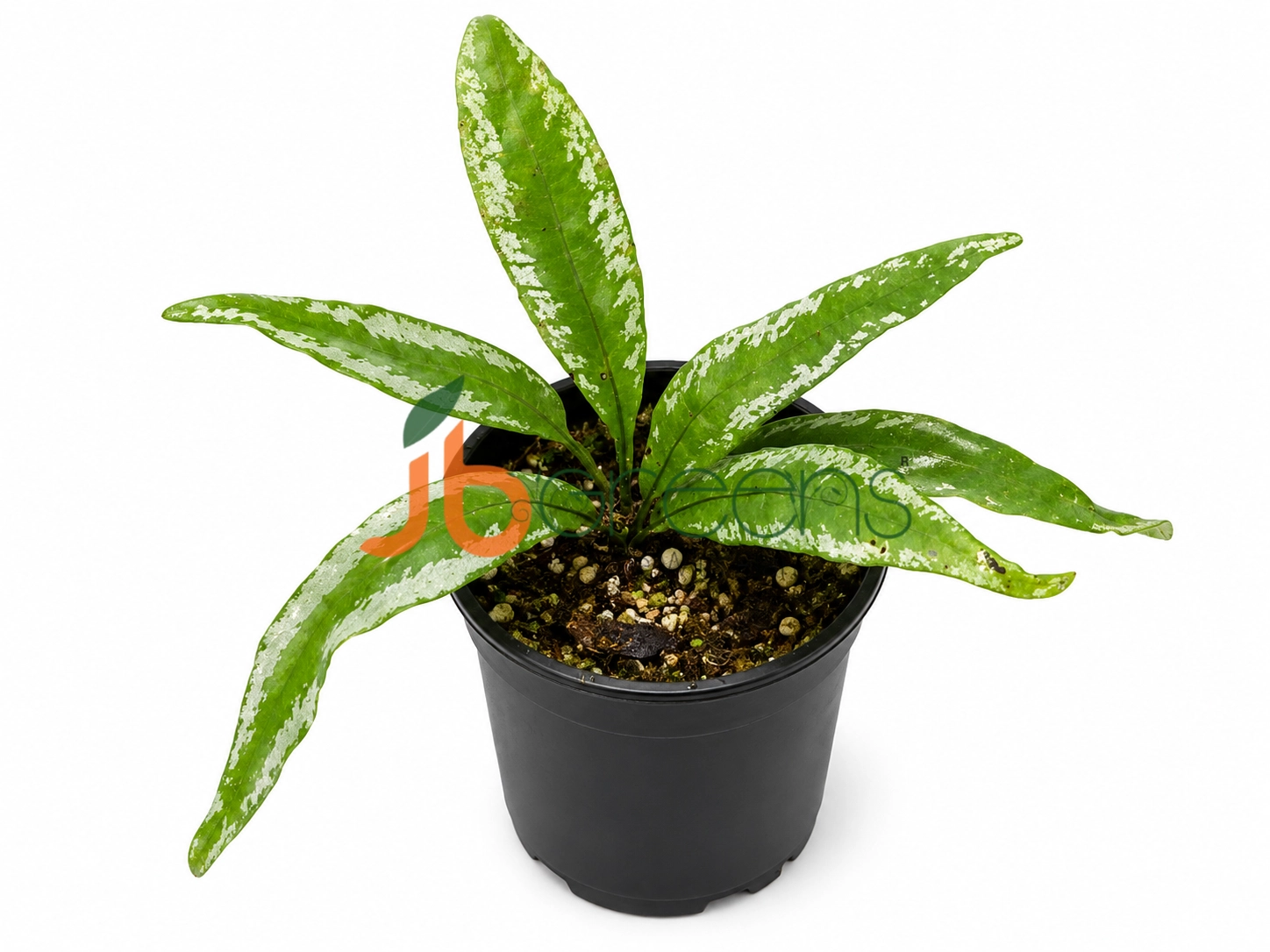
Microsorum “Variegated” is a compact, rhizomatous fern prized for its distinctively patterned, leathery fronds and relatively easy‑going temperament compared to many delicate ferns. It forms a dense, basal clump of dark‑green blades with creamy or pale‑green variegation, often along the margins or as irregular streaks, giving it a lively, two‑tone look.
Plant description
-
Growth form: Evergreen, creeping to semi‑erect. Fronds emerge from short, scaly rhizomes at the soil surface, spreading slowly to form a neat mound rather than a loose, weeping mass.
-
Fronds: Narrow to moderately broad, more strap‑like than finely divided; texture is firm and slightly leathery, with a glossy or semi‑glossy surface. The variegation is irregular and can vary between individual plants, creating a unique pattern on each frond.
-
Size: Typically stays compact indoors, with fronds usually in the 15–30 cm range, depending on light and age; the plant rarely becomes very tall but can spread modestly over time.
Preferred growing conditions
-
Light: Bright, indirect light is ideal. It tolerates medium to lower light, but variegation and growth will be stronger and more stable in brighter conditions without direct sunbeams. Avoid hot, direct midday light, which can bleach or scorch the foliage.
-
Temperature: Thrives in warm, stable environments; cool‑tropical to subtropical‑type ranges suit it best. It dislikes strong temperature swings, cold drafts, or prolonged exposure to chilly air.
-
Humidity: Likes moderate to high humidity. It survives in average room air but performs more lushly and is less prone to tip browning when humidity is kept on the higher side.
Soil and watering
-
Potting mix: Needs a light, open, moisture‑retentive but well‑draining mix, often based on a blend of peat‑free or coco‑rich substrate with added perlite, pumice, or coarse bark to prevent compaction and anaerobic conditions around the rhizomes. Good aeration is crucial because stagnant, soggy soil quickly leads to root or rhizome rot.
-
Watering: Keep the mix consistently moist but never waterlogged. Water when the top layer feels slightly dry, then allow the pot to drain thoroughly. Underwatering for short periods is usually tolerated, but repeated severe drying can cause frond browning and loss of vigor.
Fertilizing and seasonal care
-
Feeding: A light, balanced liquid fertilizer applied at half or quarter strength during the main growing season (spring and warmer months) is sufficient. Reduce or stop feeding in cooler months when growth naturally slows. Over‑fertilizing can cause salt burn and tip browning, especially in tight indoor conditions.
-
Seasonal behavior: Growth is most active in warm, bright periods; in cooler or lower‑light conditions it may grow more slowly or nearly stall, but it usually stays evergreen without major dieback if temperatures don’t drop too low.
Adaptability and tolerance
-
Light adaptability: Fairly adaptable to different light levels, from medium to reasonably bright indirect light. In low light it may produce fewer and less vividly variegated fronds, but it typically remains alive and functional.
-
Humidity and air tolerance: More tolerant of occasional dry air than many filmy or highly delicate ferns, yet still shows its best health and color in humid microclimates such as near grouped plants, on trays with water and pebbles, or in bathrooms with good light.
-
Structural resilience: The leathery fronds can handle some air movement and ordinary indoor air circulation, as long as it’s not blasting cold or very dry air directly onto the plant. It is less prone to sudden wilting than softer‑foliage ferns, though chronic stress will still show as browning tips or frond loss.
Root structure, potting, and airflow
-
Rhizomes: Grows from creeping rhizomes that can spread along or slightly above the soil surface; these should not be buried too deeply. When repotting, use a shallow‑ish pot that allows room for rhizome spread rather than deep, overly large containers.
-
Airflow: Good air circulation around the crown helps prevent fungal issues and keeps the rhizome zone healthy, especially in humid or enclosed environments. Avoid crowding the plant too tightly with other foliage.
Pests and health issues
-
Common pests: Can occasionally attract typical indoor pests such as spider mites, mealybugs, or scale, especially in dry, warm conditions. Regular inspection of the undersides of fronds and at the base of the rhizomes helps catch infestations early.
-
Typical problems:
-
Brown or crispy tips: often due to low humidity, inconsistent watering, or exposure to very dry or hot air.
-
Yellowing or soft fronds: usually points to overwatering, poor drainage, or cold stress.
-
Variegation loss: can occur if light is too low, causing the plant to produce more green than variegated tissue.
-
I
Only logged in customers who have purchased this product may leave a review.
Related products
-
ABOUT THE PLANT: Indonesia endemic plant The photo is representative Plant in the good condition and healthy It is sold per plant Lindsaea, common name necklace fern, is a genus of around 180 species of fern, 15 of which reach Australia. The name is in honour of surgeon John Lindsay of Jamaica. Kingdom: Plantae Clade: …
Add to cart -
Welcome to the exotic and lush world of the Microsorum punctatum! Whether you are a dedicated fern enthusiast, a vivarium builder, or simply a plant lover looking to bring a touch of the prehistoric jungle into your home, this species is a stunning addition to any indoor garden. Here is a complete, professional profile and …
Add to cart -
Adiantum lowosiannum is a distinctive, delicate perennial fern characterized by its elegant, lacy appearance. It features bright green, finely divided fronds supported by thin, wiry, and notably dark or black stems. Growing Conditions To replicate its natural habitat, which often includes moist rock crevices and shaded forest floors, the plant requires specific environmental conditions. It …
Add to cart -
Hymenophyllum demissum, often called the drooping filmy fern, is a very delicate fern from cool, very humid forest habitats. It is best understood as a specialist plant: beautiful, but demanding, with thin translucent fronds and a need for stable moisture, shade, and fresh air. Plant description This fern is small, usually forming loose mats or …
Add to cart

Products
-
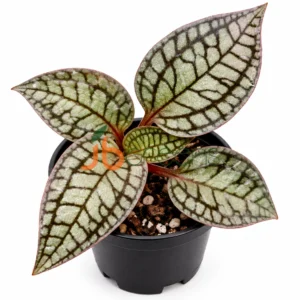 Jewel Cheirostylis montana
Original price was: $20.05.$15.21Current price is: $15.21.
Jewel Cheirostylis montana
Original price was: $20.05.$15.21Current price is: $15.21.
-
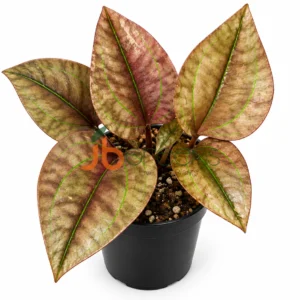 Orchid Nephelaphyllum Pulchrum
Original price was: $17.98.$13.14Current price is: $13.14.
Orchid Nephelaphyllum Pulchrum
Original price was: $17.98.$13.14Current price is: $13.14.
-
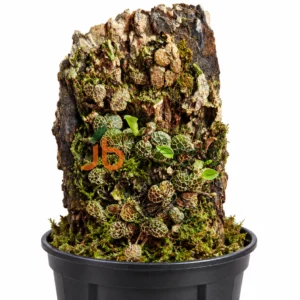 Porpax Reticulata
Original price was: $21.44.$17.98Current price is: $17.98.
Porpax Reticulata
Original price was: $21.44.$17.98Current price is: $17.98.
-
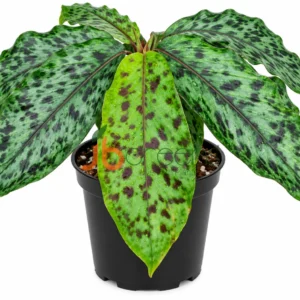 Etlingera brevilabrum
Original price was: $44.26.$38.72Current price is: $38.72.
Etlingera brevilabrum
Original price was: $44.26.$38.72Current price is: $38.72.
-
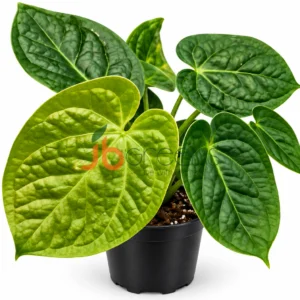 Anthurium Doraiki x Luxurians
Original price was: $62.24.$53.94Current price is: $53.94.
Anthurium Doraiki x Luxurians
Original price was: $62.24.$53.94Current price is: $53.94.

Reviews
There are no reviews yet.