
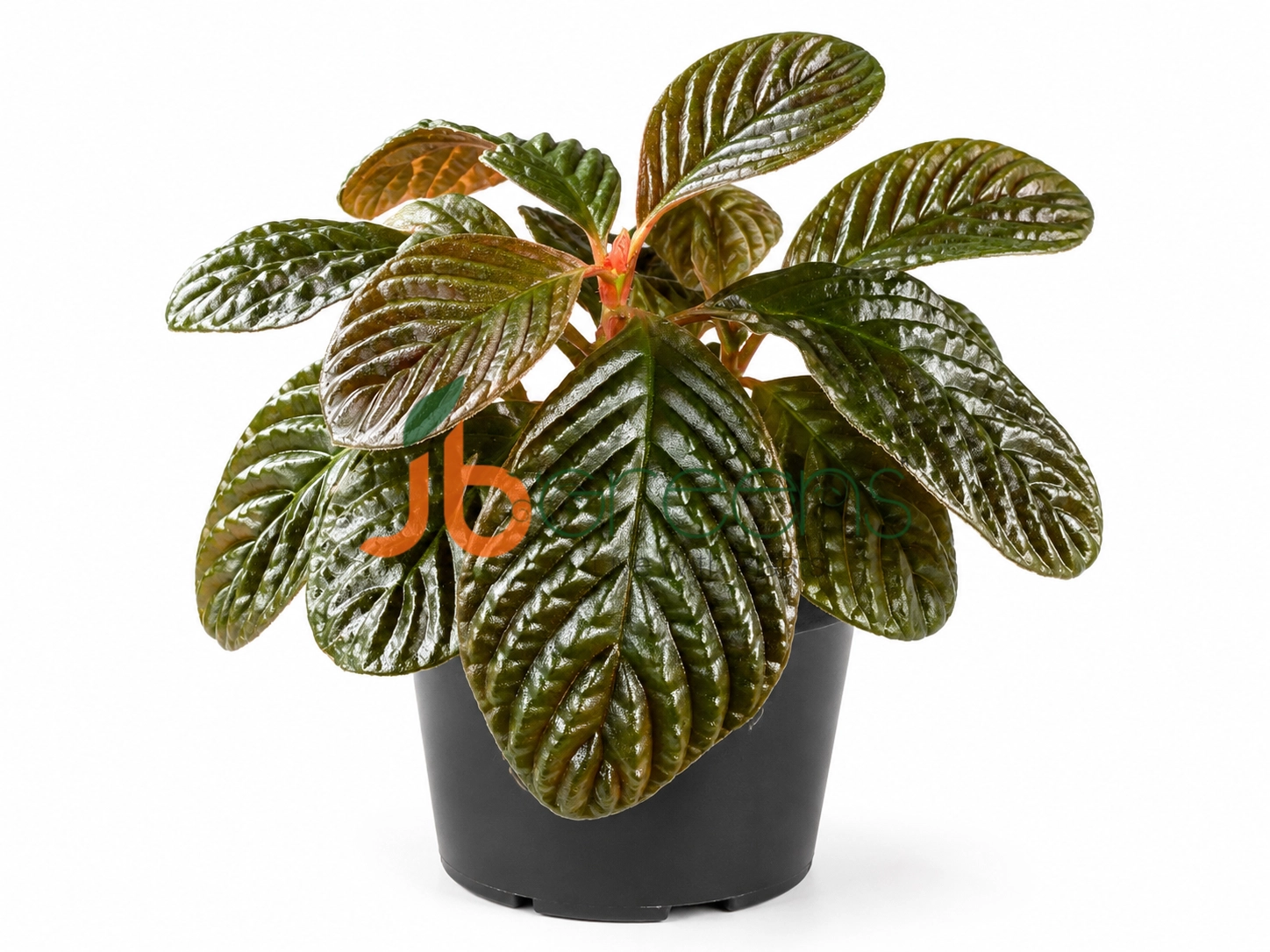
Acranthera collina is a small‑sized, perennial herb in the Rubiaceae (coffee) family, originally described from limestone‑edge, lowland forest habitats on riverbanks and at the base of hills, where it grows in semi‑shaded, humid conditions. It is a relatively delicate, terrestrial to semi‑epiphytic–like plant, with a preference for stable, moist, but not waterlogged, forest‑floor micro‑environments. General appearance and habit
Acranthera species are typically low‑growing herbs, often trailing or spreading along the ground or over rocks and logs, with simple, opposite leaves and relatively small, axillary flowers. In the case of A. collina, the leaves are broadly shaped, with a distinct vein pattern and softly textured undersides, and the plant is compact enough to grow in crevices or on shallow soils over rock. The flowers are usually small, tubular‑shaped, and carried in clusters along the stems, with the corolla color in this species tending toward a clear yellow or golden shade rather than the red or pink seen in some close relatives.
Light and shade
In nature, A. collina occurs in partially shaded forest settings, often under mixed broad‑leaved canopy on riverbanks and at the foot of limestone hills, so it is best grown in bright, filtered light rather than direct sun. An ideal spot would be beneath trees or beside structures where the plant receives morning or late‑afternoon light pulses, while avoiding long hours of intense midday sun, which can dry out its thin foliage and stress the roots.
Humidity and airflow
This species is found in consistently humid, low‑elevation forest zones, so it appreciates air that stays relatively moist, especially around the leaf zone, without stagnant “dripping‑wet” conditions. Good, gentle air movement helps prevent mold and rots while still allowing the plant to benefit from higher humidity. If grown in a drier or more exposed setting, frequent misting or placing the pot in a humidity tray can help mimic its natural micro‑climate.
Watering and drainage
Natural habitat records place A. collina in humid, well‑drained riverbank or rock‑base areas, which suggests it needs regular moisture but not permanently saturated soil. The substrate should be open and porous enough to allow water to pass through, yet capable of holding some moisture around the fine roots. Watering should be frequent enough to keep the root zone lightly damp, easing off only when the top layer begins to feel slightly dry, to avoid both drought stress and root rot.
Temperature and hardiness
Described from lowland, tropical forest localities, A. collina is adapted to warm, frost‑free conditions with relatively stable temperatures. It thrives best when night temperatures stay above the lower teens in Celsius and daytime highs remain comfortably warm, without prolonged exposure to cold or frost. Sudden chills or strong temperature swings can cause leaf browning or dieback, so it benefits from being grown in a sheltered spot where temperatures are buffered.
Growing media and position
In its native habitat it grows in mixed dipterocarp forest on riverbanks and at the base of limestone hills, often in semi‑shaded, humid spots with shallow but organic‑rich soils over rock. A suitable mix would therefore be light, airy, and slightly acidic to neutral, with components like leaf litter‑derived humus, fine bark, perlite or pumice, and perhaps some broken rock or limestone‑derived grit to mimic its rocky‑edge origin. It can be grown in shallow pots, terrarium‑like containers, or over rock crevices, as long as the roots have a consistently moist, well‑aerated medium and are not allowed to dry out completely. Adaptability and cultivation notes
A. collina is described from a very narrow geographic area and specific limestone‑edge habitats, which hints that it is somewhat habitat‑specialized rather than a broadly tolerant weedy species. That means it can be grown in cultivation but may require careful attention to humidity, temperature stability, and clean, open‑texture media if it is to thrive long‑term rather than merely survive. Because it is tied to humid, shaded, lowland forest environments, it is less likely to adapt quickly to very dry, hot, or strongly seasonal conditions unless its micro‑climate is carefully engineered.
| Plant group | Other foliage & flowering plants |
|---|---|
| Genus | Acranthera |
| Light | Bright indirect light |
| Humidity | High humidity |
Only logged in customers who have purchased this product may leave a review.
Related products
-
ABOUT THE PLANT: Indonesia aquatic plant The photo is representative Plant is healthy and in the good condition It is sold per plant
Read more -
ABOUT THE PLANT: Indonesia endemic plant The photo is representative Plant is healthy and in the good condition It is sold per plant
Read more -
ABOUT THE PLANT: Common name: Acranthera Sp. Green Metalic Indonesia endemic plant The photo is representative Plant is healthy and in the good condition It is sold per plan
Read more -


Products
-
 Asparagus plumosus
Original price was: $21.44.$16.60Current price is: $16.60.
Asparagus plumosus
Original price was: $21.44.$16.60Current price is: $16.60.
-
 Anthurium BVIT* Docblock
Original price was: $132.77.$119.63Current price is: $119.63.
Anthurium BVIT* Docblock
Original price was: $132.77.$119.63Current price is: $119.63.
-
 Labisia Star Light
Original price was: $30.43.$22.82Current price is: $22.82.
Labisia Star Light
Original price was: $30.43.$22.82Current price is: $22.82.
-
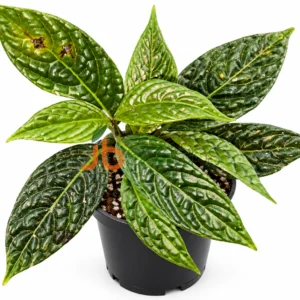 Ardisia Odontiphollia
Original price was: $30.43.$22.82Current price is: $22.82.
Ardisia Odontiphollia
Original price was: $30.43.$22.82Current price is: $22.82.
-
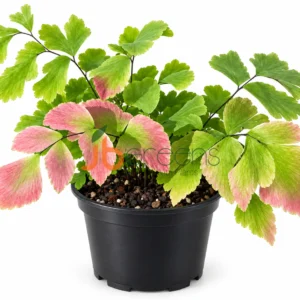 Microphyllum Verigated
Original price was: $22.13.$19.36Current price is: $19.36.
Microphyllum Verigated
Original price was: $22.13.$19.36Current price is: $19.36.

Reviews
There are no reviews yet.