
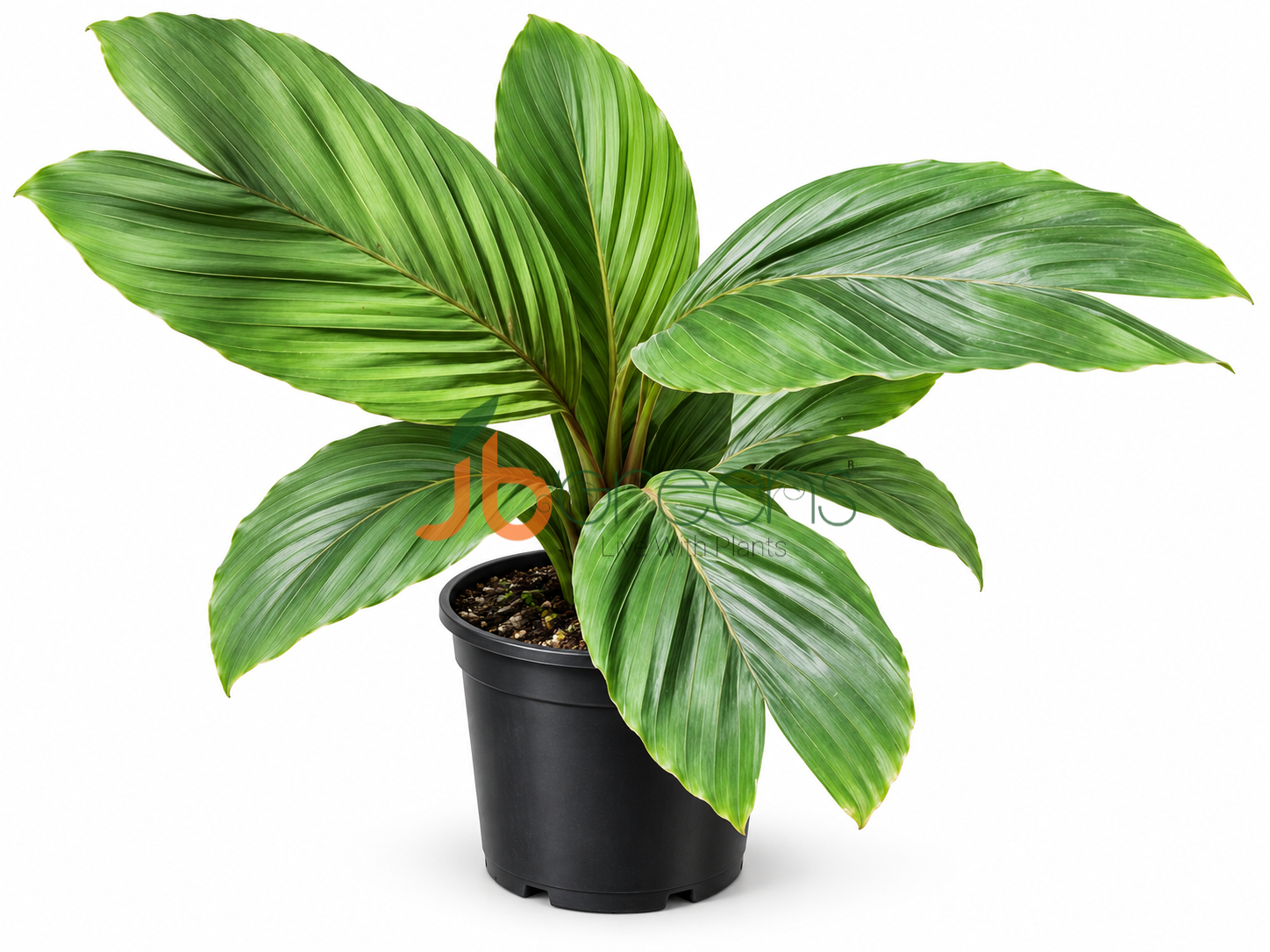
Pinanga subterranea is a small, solitary, acaulescent palm—meaning it has little to no visible above-ground stem.
The stem is short, about 6 cm long and 1.2–1.8 cm in diameter, buried underground.
Leaves number 4–6 in the crown, with leaf sheaths that are pale to deep yellow or green and covered with reddish-brown scales.
Leaves are 25–85 cm long including a petiole 9–25 cm long.
The fruit is bright red when ripe, juicy, and sweet, which is considered a delicacy by local people.
The palm grows in dense lowland primary rainforests, in valleys and slopes near streams, at elevations around 650 meters above sea level.
It thrives in chalky, red, or sandy clay soils.
Caring:
Since it is a rainforest undergrowth species, it prefers shaded or partially shaded environments, away from direct sunlight which can scorch the leaves.
The plant sends up aerial stems up to 1 meter high that absorb nutrients and water.
It requires very specific soil conditions typical to its natural habitat—well-drained, organically rich, red or sandy clay soils.
Protection of its natural habitat is crucial, as it is dependent on the forest floor ecosystem.
Adaptability:
Pinanga subterranea exhibits saxophone-like stem growth, bending underground and then curving upwards, allowing it to grow and flower beneath the soil.
It has adapted to flower and fruit underground, which is extremely rare among plants.
It has a successful pollination mechanism underground, likely involving small insects such as beetles; exact mechanisms are still under study.
Seed dispersal is aided by wild boars and bearded pigs, which dig up the fruit underground and disperse seeds through their feces.
The plant shows a high number of seeds and fruits despite the unusual subterranean flowering.
Growing Conditions:
Native to primary rainforests in western Borneo, across Malaysia and Indonesia.
Prefers humid tropical climate typical of Borneo with a canopy cover providing filtered light.
Grows well in soils that are chalky, red, or sandy clay at moderate elevation (around 650 meters).
Germination and growth have been successful from seeds sourced from pig droppings, indicating potential for ex-situ conservation and cultivation with the right conditions.
In summary, Pinanga subterranea is a rare palm species, adapted uniquely to underground flowering and fruiting in the tropical rainforests of Borneo. Its care involves mimicking shaded, humid, and nutrient-rich forest floor conditions. Its adaptability to underground life is exceptional, with specialized pollination and seed dispersal mechanisms ensuring its survival in this niche environment.
Only logged in customers who have purchased this product may leave a review.
Related products
-
Didymochlaena truncatula, commonly known as the mahogany fern, is a large and stately evergreen fern native to wet tropical and subtropical regions across Africa, Madagascar, Asia, and the Americas. It features a short erect rhizome forming a caudex up to 25 cm in diameter. The fronds grow in tufts, erect to arching, reaching lengths of …
Add to cart -
Anthurium Potting Mix by JB Greens is a specialized growing medium professionally formulated for Anthurium plants and compatible with all types of aroids and exotic tropical rainforest plants. This mix is optimized for Anthurium’s unique epiphytic needs – delivering exceptional drainage, aeration, humidity retention, and gentle nutrition while preventing the root rot that commonly plagues these showy flowering …
Add to cart -
Selaginella Potting Mix by JB Greens is a specialized, moisture-loving growing medium professionally formulated for all types of exotic and rare Selaginella (clubmosses, resurrection ferns). This mix replicates the damp, shaded forest floor habitat that Selaginella craves—constantly moist but never waterlogged—with superior humidity retention, gentle aeration, and organic richness perfect for these delicate, prehistoric ferns. Key Features & …
Read more -
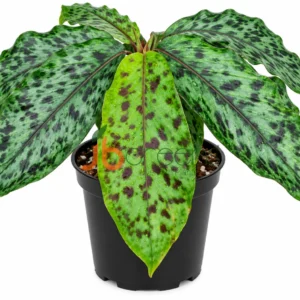
Etlingera brevilabrum is a striking and decorative species of the ginger family (Zingiberaceae), native to Borneo and parts of Southeast Asia including the Philippines. It is known for its distinctive foliage that features many purple or red blotches, particularly on the upper and under sides of its leaves, especially on new growth. The plant can …
Add to cart

Products
-
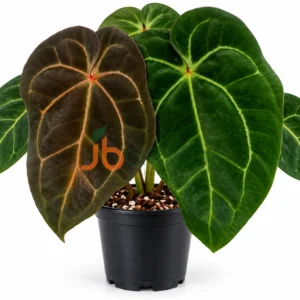 Anthurium BVIT* Docblock
Original price was: ₹9,600.00.₹8,650.00Current price is: ₹8,650.00.
Anthurium BVIT* Docblock
Original price was: ₹9,600.00.₹8,650.00Current price is: ₹8,650.00.
-
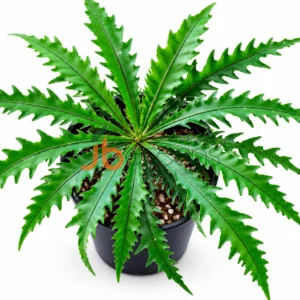 Labisia Star Light
Original price was: ₹2,200.00.₹1,650.00Current price is: ₹1,650.00.
Labisia Star Light
Original price was: ₹2,200.00.₹1,650.00Current price is: ₹1,650.00.
-
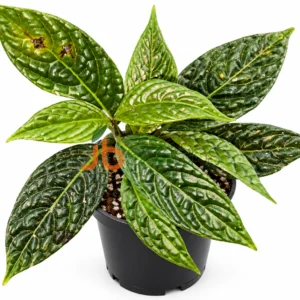 Ardisia Odontiphollia
Original price was: ₹2,200.00.₹1,650.00Current price is: ₹1,650.00.
Ardisia Odontiphollia
Original price was: ₹2,200.00.₹1,650.00Current price is: ₹1,650.00.
-
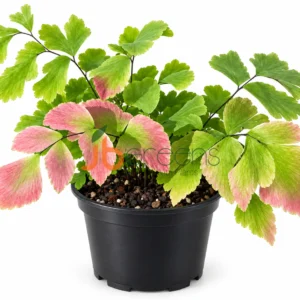 Microphyllum Verigated
Original price was: ₹1,600.00.₹1,400.00Current price is: ₹1,400.00.
Microphyllum Verigated
Original price was: ₹1,600.00.₹1,400.00Current price is: ₹1,400.00.
-
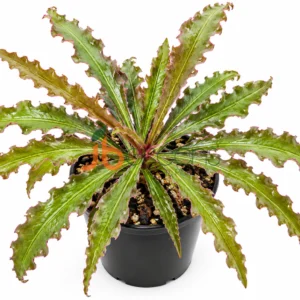 Labisia Fenny

Reviews
There are no reviews yet.