
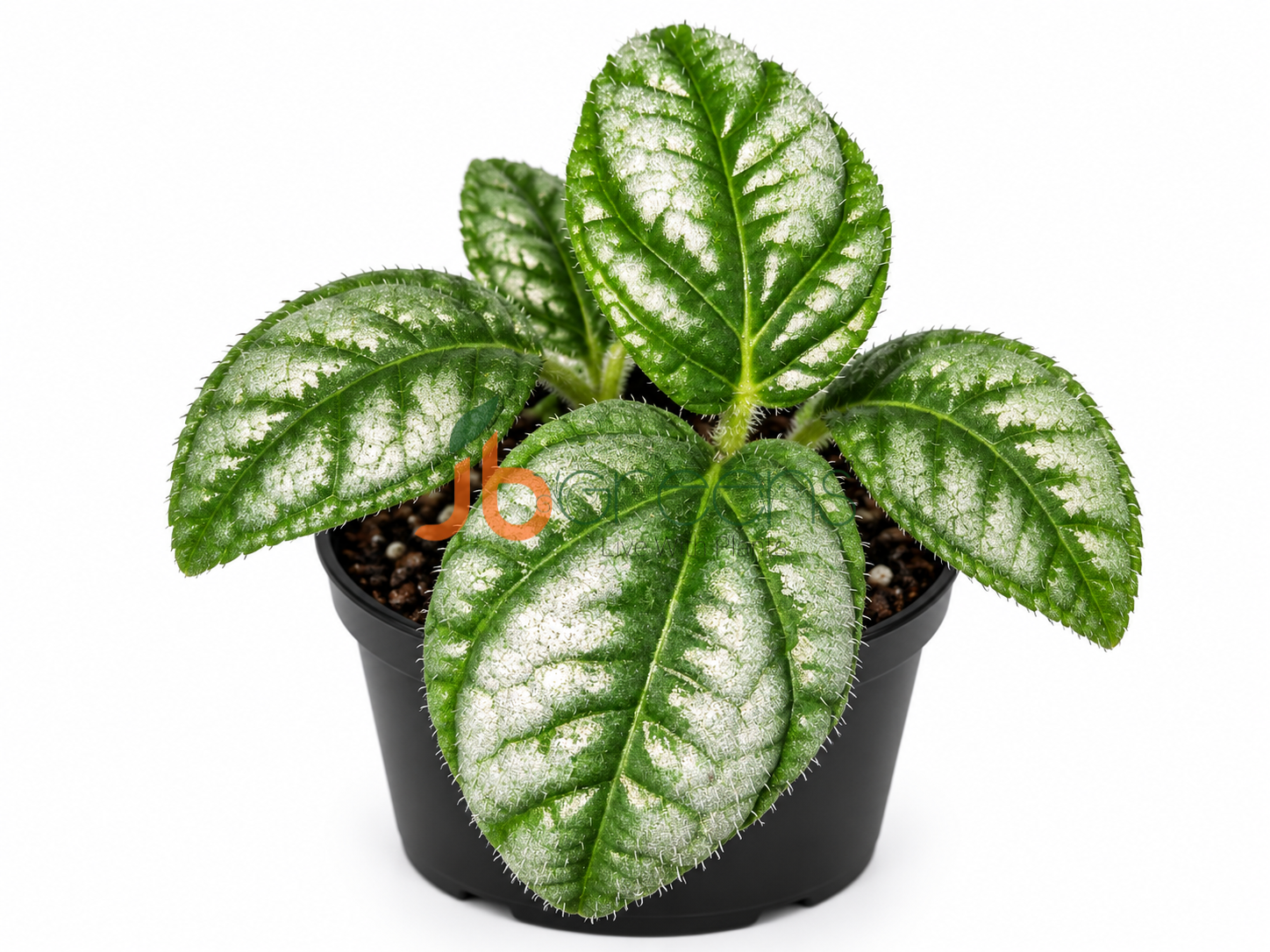
Piper parmatum is a rare, compact tropical Piper species from Panama, admired for its thick, textured, peltate‑like leaves and slow, shrub‑like growth habit. It is usually grown as a small houseplant, reaching roughly 0.5–0.6 m (about 2 feet) in height, making it suitable for terrariums or tabletop displays in warm, humid homes.
Botanical description
Piper parmatum is a perennial herbaceous plant in the Piperaceae family, with upright, semi‑woody stems and a fairly compact form rather than a vine or ground‑cover habit. The leaves are dark green, oval to slightly rounded, deeply ribbed along the veins, and often have a slightly fuzzy or textured surface, giving them a “jewel‑Alocasia”‑like look despite not being an Aroid.
Growing conditions
Piper parmatum is native to the tropical understorey of Central America (especially Panama), where it grows in warm, shaded, moist forests; in cultivation it needs similar conditions. In temperate or subtropical regions it is best treated as a houseplant or greenhouse plant, since it is not cold‑hardy and will suffer below roughly 10–13°C.
Light requirements
The plant prefers bright, indirect light, such as near an east‑ or north‑facing window behind a sheer curtain. Direct midday sun can scorch the thick leaves, while very low light slows growth and may cause leggy stems and fewer new leaves.
Watering and soil
Keep the soil consistently moist but not soggy, allowing the top 1–2 cm of the mix to dry between waterings. Use a well‑draining, rich, chunky potting mix (for example, a base of peat‑ or coco‑based soil with added perlite and orchid bark) to prevent waterlogging and root rot.
Humidity and temperature
Piper parmatum thrives in warm, humid conditions, ideally around 18–26°C and humidity near 60–70%. In drier homes, humidity can be boosted with a pebble tray, humidifier, or grouping with other plants, but avoid misting the leaves excessively to reduce fungal risk.
Care and adaptability
As a tropical understorey species, it is moderately adaptable to indoor conditions if temperature, humidity, and watering are kept fairly stable. It responds well to occasional balanced liquid fertilizer during the growing season but should be allowed to rest with reduced watering in cooler months when growth slows.
⁂
Only logged in customers who have purchased this product may leave a review.
Related products
-
ABOUT THE PLANT: Indonesia endemic plant The photo is representative Plant in the good condition and health It is sold per plant Piper, the pepper plants or pepper vines, is an economically and ecologically important genus in the family Piperaceae. It contains about 1,000-2,000 species of shrubs, herbs, and lianas, many of which are dominant …
Read more -
ABOUT THE PLANT: Indonesia endemic plant from Sumatera The photo is representative Plant in the good condition and health It is sold per plant Piper, the pepper plants or pepper vines, is an economically and ecologically important genus in the family Piperaceae. It contains about 1,000-2,000 species of shrubs, herbs, and lianas, many of which …
Read more -
ABOUT THE PLANT: Indonesia endemic plant The photo is representative Plant in the good condition and health It is sold per plant Piper, the pepper plants or pepper vines, is an economically and ecologically important genus in the family Piperaceae. It contains about 1,000-2,000 species of shrubs, herbs, and lianas, many of which are dominant …
Add to cart -
Pterisanthes Batman Overview Piper Batman, often linked to Pterisanthes species, is a striking aroid relative from tropical forest understories, known for its unique bat-wing-shaped leaves featuring dark brown hues with cloudy patterns and pale edges. These leaves give it a dramatic, almost otherworldly look, setting it apart from typical Piper varieties like crocatum or ornatum, …
Add to cart


Products
-
 Anthurium BVIT* Docblock
Original price was: ₹9,600.00.₹8,650.00Current price is: ₹8,650.00.
Anthurium BVIT* Docblock
Original price was: ₹9,600.00.₹8,650.00Current price is: ₹8,650.00.
-
 Labisia Star Light
Original price was: ₹2,200.00.₹1,650.00Current price is: ₹1,650.00.
Labisia Star Light
Original price was: ₹2,200.00.₹1,650.00Current price is: ₹1,650.00.
-
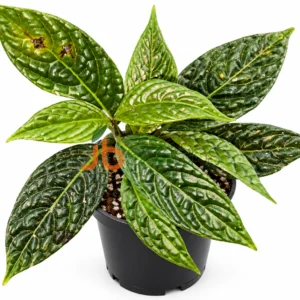 Ardisia Odontiphollia
Original price was: ₹2,200.00.₹1,650.00Current price is: ₹1,650.00.
Ardisia Odontiphollia
Original price was: ₹2,200.00.₹1,650.00Current price is: ₹1,650.00.
-
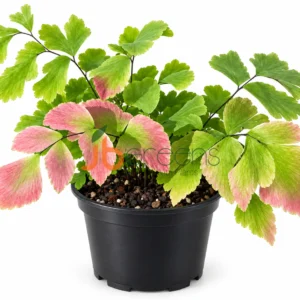 Microphyllum Verigated
Original price was: ₹1,600.00.₹1,400.00Current price is: ₹1,400.00.
Microphyllum Verigated
Original price was: ₹1,600.00.₹1,400.00Current price is: ₹1,400.00.
-
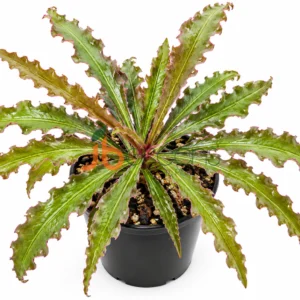 Labisia Fenny


Reviews
There are no reviews yet.