
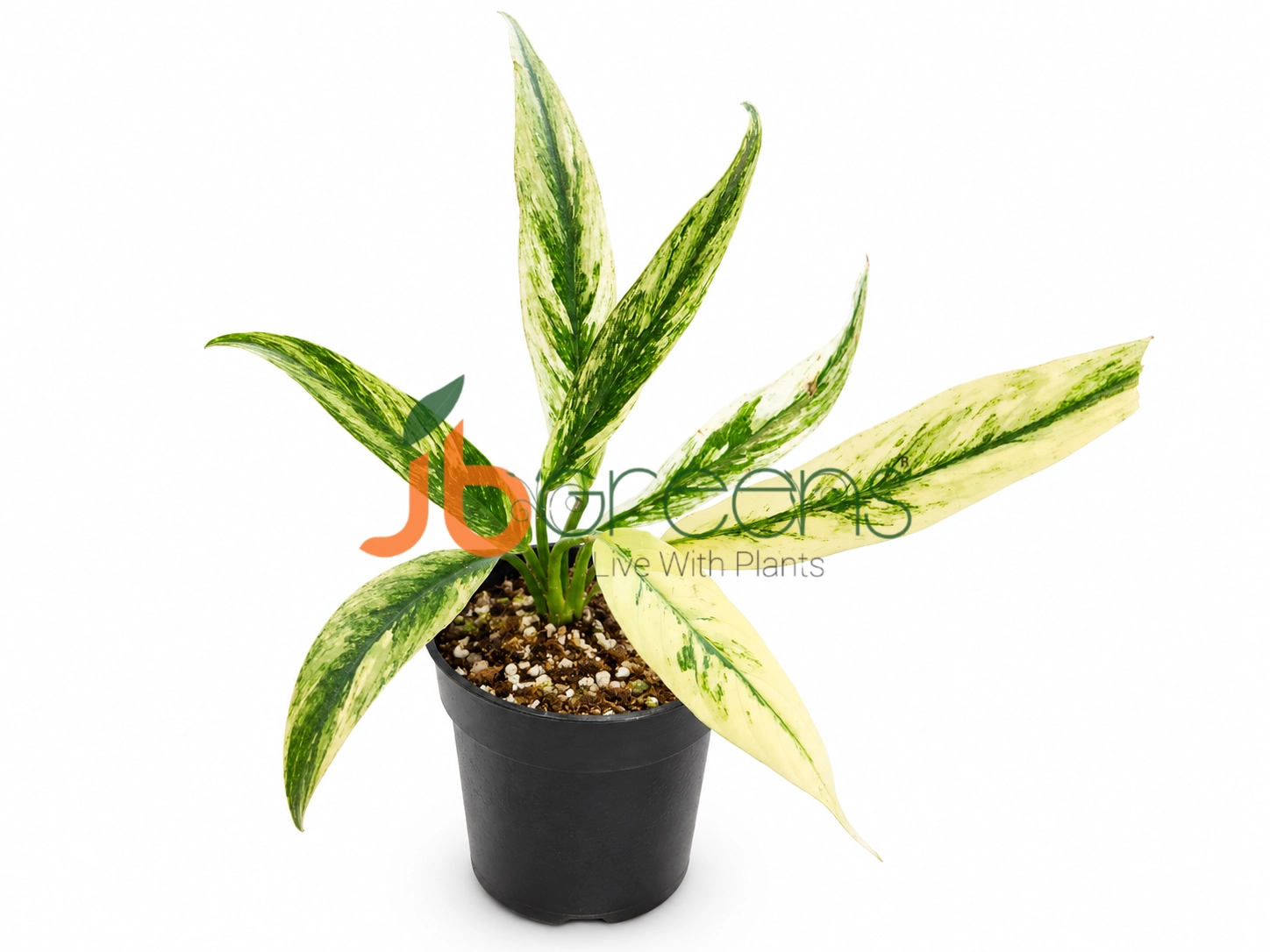
Rhaphidophora megasperma variegated is a rare climbing aroid with elongated, perforated leaves and a more dramatic ornamental look than the plain form. The variegation makes it slower and more delicate in appearance, so it usually performs best with stable warmth, bright filtered light, and careful watering.
Plant character
This plant is a tropical climber that naturally attaches itself to supports as it matures, producing longer clinging stems and more leafy growth on active shoots. Its leaves are narrow to oblong, semi-glossy, and develop natural perforations as they mature, which is part of its signature look. The variegated form may show white, cream, yellow, or mixed sectoring, and that contrast is what makes it especially sought after.
Care needs
Give it bright, indirect light rather than direct sun, because strong sun can scorch both the green and variegated tissue. Water when the top layer of the potting mix has started to dry, but do not let it sit in soggy soil, since overwatering can quickly lead to root trouble. A well-draining, airy mix works best, ideally with ingredients that hold some moisture while still allowing plenty of airflow around the roots.
Humidity and temperature
This plant prefers warm conditions and steady humidity, roughly in the range of about 18–26°C, with high humidity giving the best growth and leaf quality. It can tolerate ordinary indoor air better than many tropical plants, but it will grow more strongly if humidity stays around 60% or higher. Cold drafts and sudden temperature drops should be avoided because they can damage the foliage.
Growth habit Rhaphidophora megasperma is a climbing plant, so it does much better with a moss pole, plank, or trellis than left to trail freely. As it climbs, the plant tends to produce larger, better-developed leaves and a more attractive structure. Because the variegated form has less chlorophyll than the green form, it usually grows more slowly and may need extra patience and very consistent conditions.
Adaptability
It adapts fairly well to indoor growing if you can provide filtered light, warmth, and a loose potting mix. It is not ideal for harsh sun, cold rooms, or heavy, compact soil, but it can be forgiving if you avoid overwatering and keep the roots airy. It also responds well to higher moisture in the air, so it is more adaptable in spaces where humidity is naturally steady.
Practical setup
A good setup is a small-to-medium pot with drainage, an airy aroid mix, and a support pole from the start. Feed lightly during active growth with a balanced fertilizer, but avoid overfeeding because variegated leaves are easier to burn. If the plant begins to lose variegation or grow weakly, the usual causes are too little light, poor root aeration, or inconsistent watering.
Common issues
Yellowing usually points to excess moisture or poor drainage. Brown tips often suggest low humidity or fertilizer stress. Pests such as spider mites, mealybugs, and scale can appear on stressed plants, so regular inspection helps keep it healthy.
| Plant group | Aroids |
|---|---|
| Genus | Rhaphidophora |
| Botanical family | Araceae |
| Humidity | High humidity |
| Growth habit | Climbing |
Only logged in customers who have purchased this product may leave a review.
Related products
-
ABOUT THE PLANT: Indonesia aquatic plant The photo is representative Plant is healthy and in the good condition It is sold per plant
Read more -
ABOUT THE PLANT: Indonesia endemic plant from Papua The photo is representative Plant in the good condition and healthy 4-6 leaves It is sold per plant Ardisia is a genus of flowering plants in the family Primulaceae. It was in the former Myrsinaceae family now recognised as the myrsine sub-family Myrsinoideae. They are distributed in …
Read more -
ABOUT THE PLANT: Indonesia endemic plant from Sumatera and Java Island The photo is representative Plant in the good condition and healthy It is sold per plant Cosmianthemum is a genus of flowering plants belonging to the family Acanthaceae. Scientific classification Kingdom: Plantae Clade: Tracheophytes Clade: Angiosperms Clade: Eudicots Clade: Asterids Order: Lamiales Family: Acanthaceae …
Read more -
ABOUT THE PLANT : Indonesia endemic plant The photo is representative Plant is healthy and in the good condition It is sold per plant Aglaonema are rhizomatous evergreen perennials with short stems bearing long-stalked, often attractively variegated leaves and rather insignificant, greenish or cream flowering spathes. (Source : Wikipedia) Scientific classification Kingdom: Plantae Clade: Tracheophytes …
Read more


Products
-
 Asparagus plumosus
Original price was: $21.44.$16.60Current price is: $16.60.
Asparagus plumosus
Original price was: $21.44.$16.60Current price is: $16.60.
-
 Anthurium BVIT* Docblock
Original price was: $132.77.$119.63Current price is: $119.63.
Anthurium BVIT* Docblock
Original price was: $132.77.$119.63Current price is: $119.63.
-
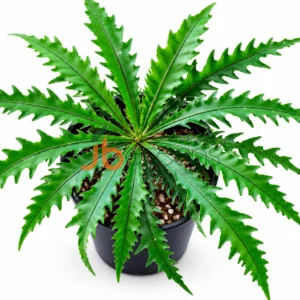 Labisia Star Light
Original price was: $30.43.$22.82Current price is: $22.82.
Labisia Star Light
Original price was: $30.43.$22.82Current price is: $22.82.
-
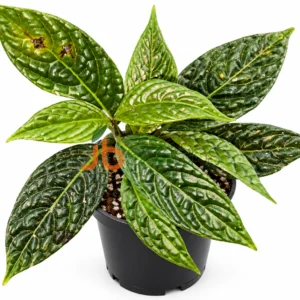 Ardisia Odontiphollia
Original price was: $30.43.$22.82Current price is: $22.82.
Ardisia Odontiphollia
Original price was: $30.43.$22.82Current price is: $22.82.
-
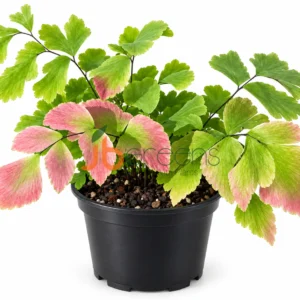 Microphyllum Verigated
Original price was: $22.13.$19.36Current price is: $19.36.
Microphyllum Verigated
Original price was: $22.13.$19.36Current price is: $19.36.

Reviews
There are no reviews yet.