
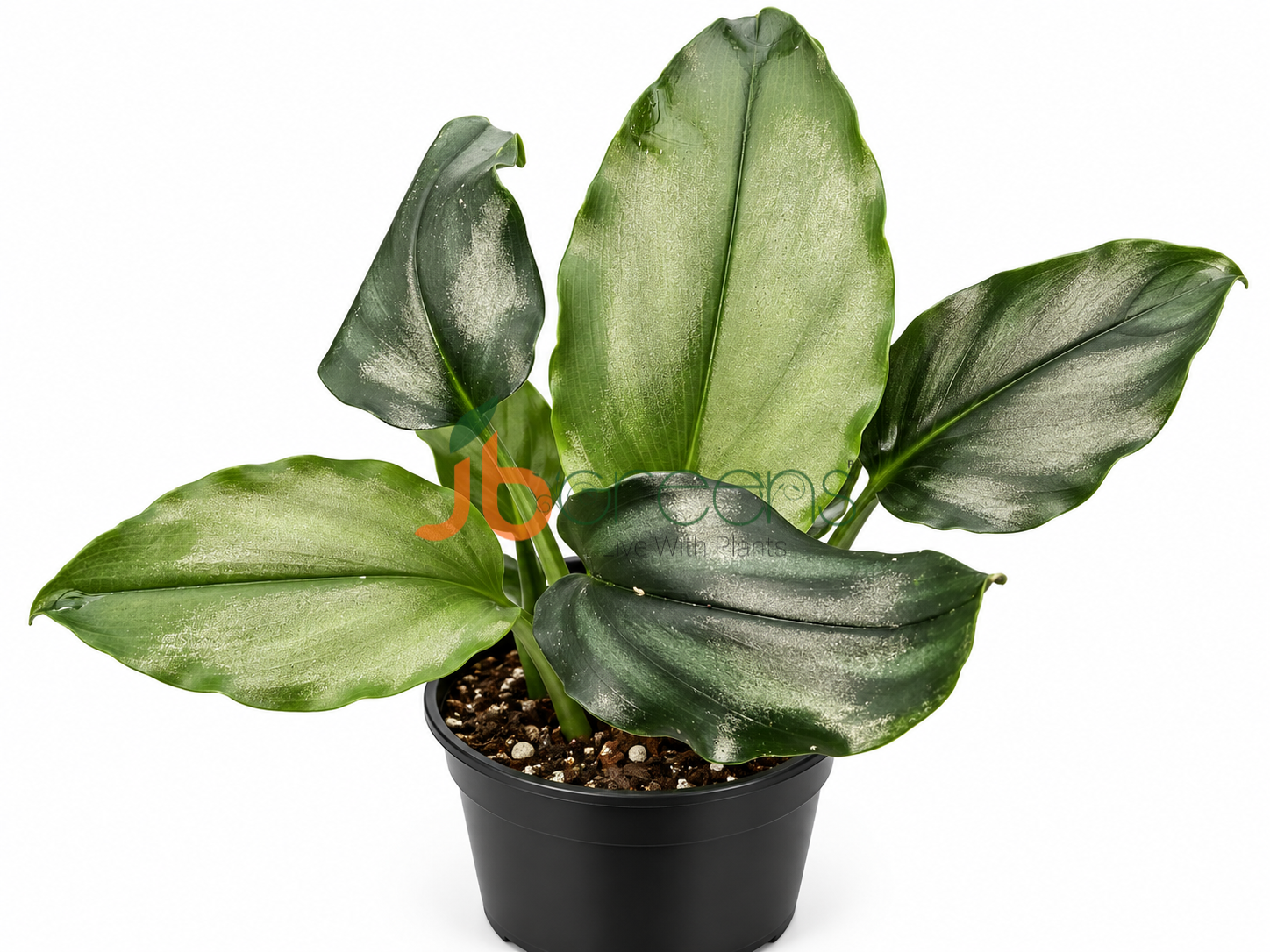
Boesenbergia is a genus of rhizomatous perennials in the ginger family (Zingiberaceae) that typically exhibits a low-growing, clumping habit. These plants are characterized by their broad, often decorative leaves and finger-like rhizomes. Many species in this genus are prized for their compact size—often ranging from 10 to 40 cm in height—and their ability to form attractive, lush foliage displays.
Adaptability and Environment
The adaptability of Boesenbergia species is largely shaped by their native environments, which range from deep, humid forests to specialized habitats like limestone outcrops or sandstone mountain tops. Depending on the specific species and its origin, the plant may be evergreen or deciduous, with many shedding their foliage to enter a dormancy period during drier or cooler seasons. This dormancy, often lasting several months, is a survival mechanism that allows the plant to endure unfavorable conditions.
Growing Conditions
To successfully cultivate Boesenbergia, it is essential to replicate their preference for warm and humid conditions.
-
Light: Provide bright, indirect light; direct sunlight may scorch the foliage, while too little light can inhibit growth.
-
Temperature: Maintain warm temperatures, ideally between 20°C and 32°C. Temperatures consistently below 15°C should be avoided, as they can cause the plant to struggle.
-
Water and Humidity: The soil should be kept consistently moist but never waterlogged. High ambient humidity is highly beneficial and helps maintain the health of the leaves.
-
Soil: Use a well-draining, fertile potting mix enriched with organic matter, such as compost, to ensure both moisture retention and proper aeration.
Care Requirements
Consistent, attentive care will support the plant’s health throughout its growing cycle. During the active growing season, applying a balanced fertilizer—such as one with an N-P-K ratio of 10-10-10—every four to six weeks can support vigorous development. If the plant enters a dormant phase, reduce watering significantly and allow the rhizomes to rest until new growth emerges. Repotting may be necessary every one to two years when the rhizomes outgrow their container.
Only logged in customers who have purchased this product may leave a review.
Products
-
 Jewel Cheirostylis montana
Original price was: ₹1,450.00.₹1,100.00Current price is: ₹1,100.00.
Jewel Cheirostylis montana
Original price was: ₹1,450.00.₹1,100.00Current price is: ₹1,100.00.
-
 Orchid Nephelaphyllum Pulchrum
Original price was: ₹1,300.00.₹950.00Current price is: ₹950.00.
Orchid Nephelaphyllum Pulchrum
Original price was: ₹1,300.00.₹950.00Current price is: ₹950.00.
-
 Porpax Reticulata
Original price was: ₹1,550.00.₹1,300.00Current price is: ₹1,300.00.
Porpax Reticulata
Original price was: ₹1,550.00.₹1,300.00Current price is: ₹1,300.00.
-
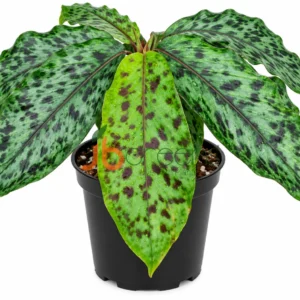 Etlingera brevilabrum
Original price was: ₹3,200.00.₹2,800.00Current price is: ₹2,800.00.
Etlingera brevilabrum
Original price was: ₹3,200.00.₹2,800.00Current price is: ₹2,800.00.
-
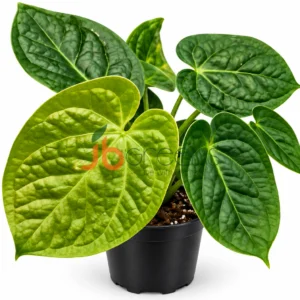 Anthurium Doraiki x Luxurians
Original price was: ₹4,500.00.₹3,900.00Current price is: ₹3,900.00.
Anthurium Doraiki x Luxurians
Original price was: ₹4,500.00.₹3,900.00Current price is: ₹3,900.00.




Reviews
There are no reviews yet.