
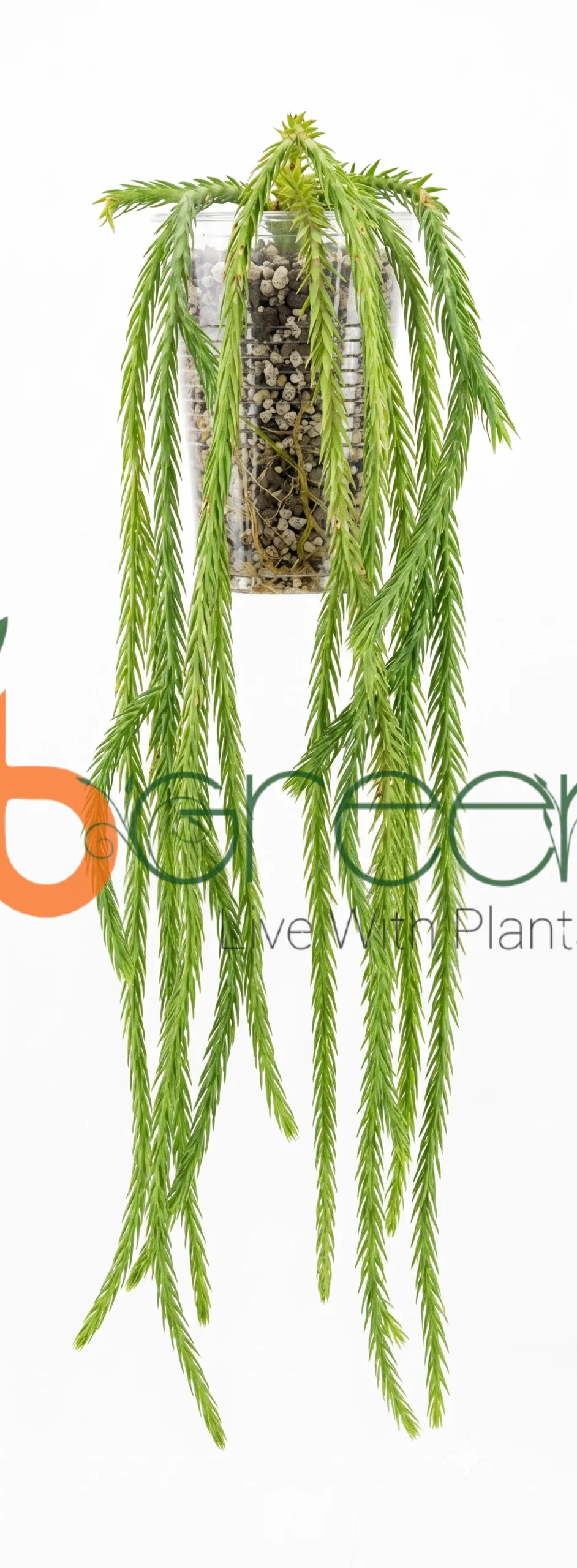
Huperzia carinatum (often treated under Phlegmariurus carinatus or closely related names) is a small, epiphytic “tassel‑fern” that grows on bark or mossy branches rather than in soil. It has a delicate, trailing habit with narrow, keeled leaves that give it a fine‑textured, fern‑like appearance.
Basic description
-
It is a true epiphyte, meaning it lives on other plants (usually woody perches such as tree trunks or branches) without parasitizing them.
-
Stems are slender and can grow several tens of centimeters long, often becoming pendulous and branching into multiple arms; the upper part is usually sterile, while the lower part carries fertile, spore‑bearing leaves.
Leaves are small, stiff, leathery, and strongly keeled (ridged along the midrib), pressed closely against the stem, giving the stems a somewhat “ribbed” or textured look.
Growing conditions
-
Light: Prefers filtered, shaded or semi‑shaded light such as bright but indirect light; it dislikes harsh, direct midday sun, which can scorch the foliage.
-
Temperature: Grows well in a moderate‑warm range, roughly around 15–30 °C, and appreciates stable conditions without sudden cold or hot extremes.
-
Humidity and air: Needs consistently high ambient humidity and benefits from gentle air movement to avoid stagnant, overly wet conditions.
Potting and substrate
-
As an epiphyte, it is usually grown in a very open, chunky, moisture‑retentive but well‑draining medium, such as a mix containing peat, sphagnum‑type moss, coconut‑based chunks, or bark chips, rather than a dense garden soil.
-
The mix should stay moist but never water‑logged; good drainage and a light, airy structure help prevent rot while still holding enough moisture for the roots.
-
It can be mounted on bark, cork, or in a small, shallow hanging basket to allow the stems to trail naturally.
Watering and feeding
-
Requires frequent watering, often several times per week, depending on temperature and humidity; the medium should never be allowed to dry out completely for long periods.
-
A “soak and flush” style watering works well: thoroughly wet the medium and let excess water drain, occasionally rinsing the whole plant to help maintain humidity on the foliage.
-
Light, infrequent fertilization with a balanced, diluted fertilizer or slow‑release option can support growth, but heavy feeding is not needed and can stress the plant.
Adaptability and ease of care
-
In its natural forest‑edge or rainforest‑type habitats it adapts to moist, shaded, mossy supports, often near watercourses or on granite‑derived substrates.
In cultivation, it is considered moderately challenging because it is sensitive to drying out, low humidity, strong sun, or poor air circulation, but once stable it can persist for long periods with consistent conditions. -
It rarely needs pruning; instead, you mostly manage its shape by guiding how it trails or by thinning overly dense stems if they become crowded.
| Plant group | Fern allies |
|---|---|
| Genus | Huperzia |
| Humidity | High humidity |
| Growth habit | Trailing |
Only logged in customers who have purchased this product may leave a review.
Related products
-
-
ABOUT THE PLANT: Indonesia endemic plant from Kalimantan The photo is representative Plant in the good condition and healthy 3-4 leaves It is sold per plant Argostemma is a genus of flowering plants in the family Rubiaceae. It can be found in (sub)tropical Asia and western and west-central tropical Africa. Kingdom: Plantae Clade: Tracheophytes Clade: …
Read more -
ABOUT THE PLANT: Indonesia aquatic plant The photo is representative Plant is healthy and in the good condition It is sold per plant
Read more -
ABOUT THE PLANT: Common name: Acranthera Sp. Red Metallic Indonesia endemic plant The photo is representative Plant is healthy and in the good condition It is sold per plant
Read more



Products
-
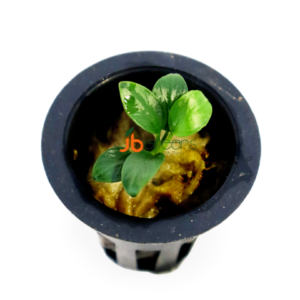
 Asparagus plumosus
Original price was: $21.44.$16.60Current price is: $16.60.
Asparagus plumosus
Original price was: $21.44.$16.60Current price is: $16.60.
-
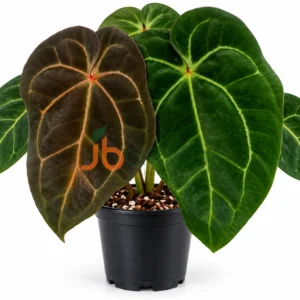 Anthurium BVIT* Docblock
Original price was: $132.77.$119.63Current price is: $119.63.
Anthurium BVIT* Docblock
Original price was: $132.77.$119.63Current price is: $119.63.
-
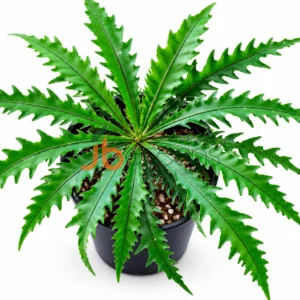 Labisia Star Light
Original price was: $30.43.$22.82Current price is: $22.82.
Labisia Star Light
Original price was: $30.43.$22.82Current price is: $22.82.
-
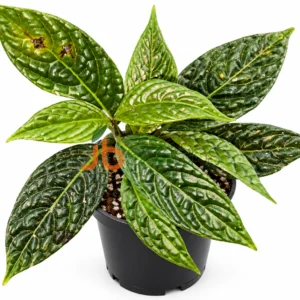 Ardisia Odontiphollia
Original price was: $30.43.$22.82Current price is: $22.82.
Ardisia Odontiphollia
Original price was: $30.43.$22.82Current price is: $22.82.
-
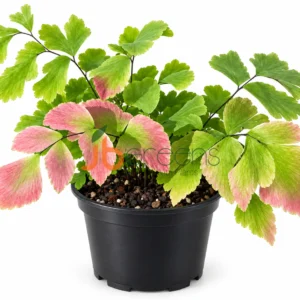 Microphyllum Verigated
Original price was: $22.13.$19.36Current price is: $19.36.
Microphyllum Verigated
Original price was: $22.13.$19.36Current price is: $19.36.


Reviews
There are no reviews yet.