

There appears to be no widely recognized, valid plant species named Homolomina Symplocarpifolia in current botanical or horticultural literature; the name is likely a misspelling, typo, or confusion with another genus.
Homalomena species are evergreen, herbaceous perennials in the Araceae (aroid) family, native to tropical Asia and the Neotropics.
- Growth habit: Clump‑forming, upright to slightly spreading, usually 30–90 cm tall depending on species and environment.
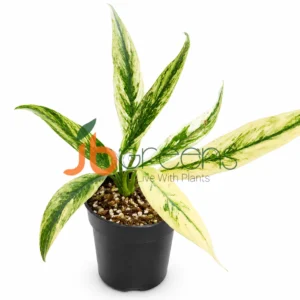
- Leaves: Large, glossy, heart‑ or spade‑shaped to oblong‑lanceolate, with a cordate base and an acuminate tip; upper surface deep green or variably variegated, lower surface often reddish or burgundy‑tinged.
- Flowers: Tiny, petal‑less florets packed on a short spadix, enclosed by a greenish or brownish spathe; usually hidden among the foliage and not showy.
Care requirements (indoor houseplant)
1. Light
Homalomena prefers bright, indirect light but tolerates low‑light conditions, making it suitable for office or living‑room interiors.
- Avoid strong direct sun (south‑facing windows without shading), which can scorch or fade the leaves.
- In very low light, growth slows and leaves may become smaller and spaced farther apart.
2. Watering
Water when the top 1–2 cm of soil feels dry; keep the soil moist but never waterlogged.
- Overwatering leads to root rot and yellowing leaves; underwatering causes crispy, dry leaf edges.
- Reduce watering in winter when growth slows.
3. Soil and potting
Use a well‑draining, airy potting mix suitable for tropical or aroid plants (e.g., peat/coconut fiber‑based mix with perlite or orchid bark).
- Choose a pot with drainage holes to prevent water stagnation.
- Pot size: slightly larger than the root ball; repot every 2–3 years or when roots circle the pot.
Adaptability and hardiness
1. Temperature
Homalomena thrives in warm, stable temperatures of about 18–30°C, typical of tropical and indoor environments.
- Minimum safe temperature: around 15–16°C; sustained temperatures below this can cause leaf yellowing and dieback.
- It is not frost‑hardy; never expose to cold drafts or outdoor winter chill.
2. Humidity
Prefers moderate to high humidity (50% or more), similar to bathrooms or kitchens, but it adapts reasonably well to average household humidity.
- In dry air, leaves may show brown margins or tips; you can increase humidity with a humidifier, pebble tray, or grouping plants together.
3. Tolerance to indoor conditions
Homalomena is considered relatively low‑maintenance and adapts well to indoor life as long as temperature, light, and drainage are kept reasonable.
- It tolerates low light but grows more slowly and may become leggy.
- Air‑purifying potential is often cited anecdotally, similar to other aroids, though formal data are limited.
Growing conditions (outdoor vs. indoor)
Indoor cultivation (most common)
- Best kept in a warm, bright room with indirect light and away from air‑conditioner or heater vents.
- Water regularly in spring–summer, slightly less in winter; fertilize monthly with a balanced liquid houseplant fertilizer at half‑strength during the growing season.
Subtropical–tropical outdoor use (if climate suits)
In frost‑free zones (roughly USDA 10–11), Homalomena can be grown as a shade‑loving ground cover or border plant in moist, shaded woodland‑style gardens.
- Needs well‑drained, humus‑rich soil and partial to full shade.
- Avoid waterlogged beds or heavy clay without drainage improvement.
| Plant group | Aroids |
|---|---|
| Genus | Homalomena |
| Botanical family | Araceae |
| Growing environment | Indoor growing |
| Humidity | High humidity |
Only logged in customers who have purchased this product may leave a review.
Related products
-
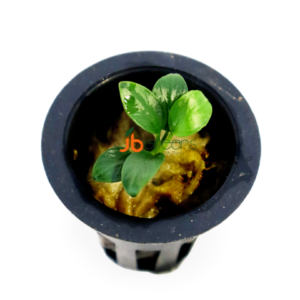
ABOUT THE PLANT: Common name: Acranthera Sp. Green Metalic Indonesia endemic plant The photo is representative Plant is healthy and in the good condition It is sold per plan
Read more -
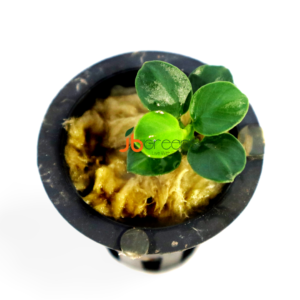
ABOUT THE PLANT: Indonesia aquatic plant The photo is representative Plant is healthy and in the good condition It is sold per plant
Read more -
Adiantum mariesii is quite robust and spreads slowly to form a very attractive clump. –Adiantum mairisii have very good winter hardiness. This is a very rare breed. Dailly care of Adiantum mairisii Sunlight Demand: Part Sun To Light Shade Soil Condition: Peat Moss Water Requirement: High Purchase Size: 1 – 2” (3 – 5 cm)
Read more -
ABOUT THE PLANT: Indonesia aquatic plant The photo is representative Plant is healthy and in the good condition It is sold per plant
Read more


Products
-
 Asparagus plumosus
Original price was: $21.44.$16.60Current price is: $16.60.
Asparagus plumosus
Original price was: $21.44.$16.60Current price is: $16.60.
-
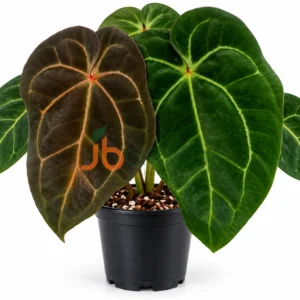 Anthurium BVIT* Docblock
Original price was: $132.77.$119.63Current price is: $119.63.
Anthurium BVIT* Docblock
Original price was: $132.77.$119.63Current price is: $119.63.
-
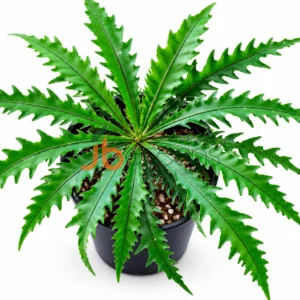 Labisia Star Light
Original price was: $30.43.$22.82Current price is: $22.82.
Labisia Star Light
Original price was: $30.43.$22.82Current price is: $22.82.
-
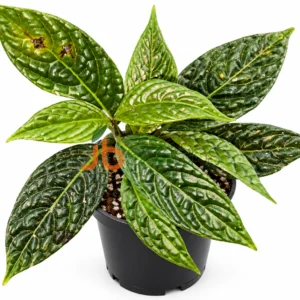 Ardisia Odontiphollia
Original price was: $30.43.$22.82Current price is: $22.82.
Ardisia Odontiphollia
Original price was: $30.43.$22.82Current price is: $22.82.
-
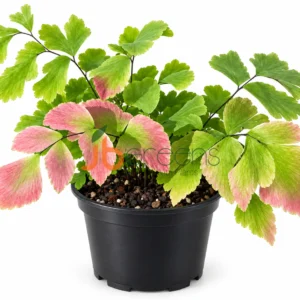 Microphyllum Verigated
Original price was: $22.13.$19.36Current price is: $19.36.
Microphyllum Verigated
Original price was: $22.13.$19.36Current price is: $19.36.

Reviews
There are no reviews yet.