Sale!
Sale!
Only logged in customers who have purchased this product may leave a review.
Category
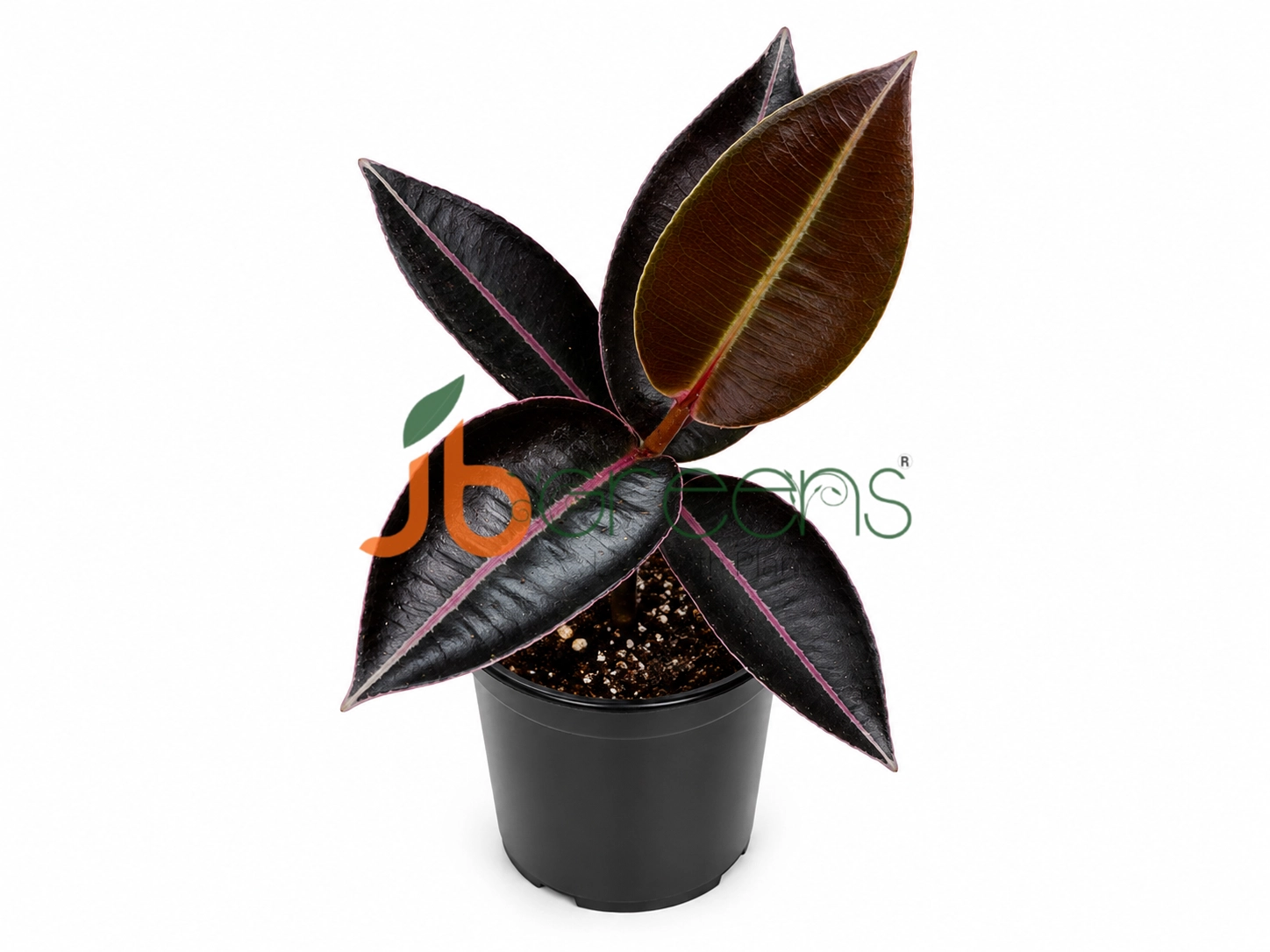
Elevate your collection with the mesmerizing Labisia pumila ‘Pink’, a rare and sophisticated tropical gem that brings the untamed beauty of the Southeast Asian rainforest floor directly into your home. With its dramatic, velvety-dark foliage, striking midribs, and signature pink-edged margins, this plant is an essential acquisition for dedicated collectors and terrarium enthusiasts alike.
Scientific Family: Primulaceae
Habit: A compact, slow-growing herbaceous perennial, forming a beautiful basal rosette that typically stays within a 20–30 cm height range.
Signature Aesthetics: The ‘Pink’ variety is distinguished by its deep, almost-black leaves that provide a stunning canvas for its radiant, blush-pink edges.
Origins: Native to the dense, shaded rainforest understories of Malaysia, Indonesia, and surrounding regions in Southeast Asia.
Naming History: The genus Labisia was scientifically described in the 19th century, with the species pumila originally classified by Carl Ludwig Blume in 1823 as Ardisia pumila. It was later reclassified under the genus Labisia by Fernández-Villar in 1880.
To keep your Labisia thriving with its characteristic vibrant color, recreate its native understory environment:
Lighting: Prefers low to medium, bright indirect light. Direct sunlight is the enemy; it will scorch the delicate leaves and cause the rich, dark colors to fade. An east-facing window or a spot well-back from a south-facing window is ideal.
Watering: Consistent moisture is key, but never “wet feet.” Water when the top 2–3 cm of the substrate feels dry. Always use high-quality, non-hard water (filtered or rainwater) to prevent leaf-tip yellowing.
Humidity: High humidity (60–80%) is non-negotiable. This makes it a star performer for terrariums and glass cabinets. In open-air rooms, group with other plants or use a dedicated humidifier.
Potting Media: Avoid standard, dense soils. We recommend a chunky, airy aroid-style mix featuring high-quality sphagnum moss, perlite, and fine orchid bark for optimal root aeration.
Nutrients: Feed sparingly. Use a balanced, high-quality liquid fertilizer diluted to 1/4 strength every two weeks during the active growth season.
Repotting: As a slow grower, it requires infrequent repotting. Use shallow, well-draining containers that respect its compact, creeping morphology.
To ensure your Labisia reaches its full potential, we recommend utilizing our signature JB Greens Potting Media—a professional-grade, custom-blended mix designed specifically for rare tropicals to ensure perfect drainage and moisture retention.
For maximum vigor and root health, incorporate our curated Plant Tonics, specially formulated to provide essential micronutrients without the salt buildup that often stresses delicate foliage. Visit www.jbgreens.com to browse our full range of substrates and care products designed to keep your rare collection thriving.
The Labisia pumila ‘Pink’ is a crown jewel for enclosed environments. Its slow-growth habit means it won’t quickly overwhelm your display, and its preference for high-humidity, low-light environments makes it perfectly adapted for:
Terrariums: Create a stunning “forest floor” aesthetic by pairing it with delicate mosses and ferns. Its pink margins provide a constant, elegant contrast to vibrant green groundcovers.
Paludariums: Place on a well-draining land section where it can enjoy ambient moisture without being submerged. Its unique, velvety texture adds immediate professional depth to any display.
Only logged in customers who have purchased this product may leave a review.
ABOUT THE PLANT: Common name: Acranthera Sp. Kapuas Hulu Indonesia endemic plant The photo is representative Plant is healthy and in the good condition It has 2-3 leaves It is sold per plant
ABOUT THE PLANT: Indonesia endemic plant from Papua The photo is representative Plant in the good condition and healthy 4-6 leaves It is sold per plant Ardisia is a genus of flowering plants in the family Primulaceae. It was in the former Myrsinaceae family now recognised as the myrsine sub-family Myrsinoideae. They are distributed in …
ABOUT THE PLANT: The photo is representative Plant in the good condition and health It is sold per plant Abelmoschus is a botanical genus with 15 species that belongs to the Malvaceae family. (Source: Wikipedia). Scientific classification Kingdom: Plantae Clade: Tracheophytes Clade: Angiosperms Clade: Eudicots Clade: Rosids Order: Malvales Family: Malvaceae Subfamily: Malvoideae Tribe: Hibisceae Genus: …
Sauvegasia Serrata
Pterisanthes Silver
Geogenanthus Rhizanthus
Teratophyllum Sp.Ager
Syzygium Jiewhoei

Reviews
There are no reviews yet.