
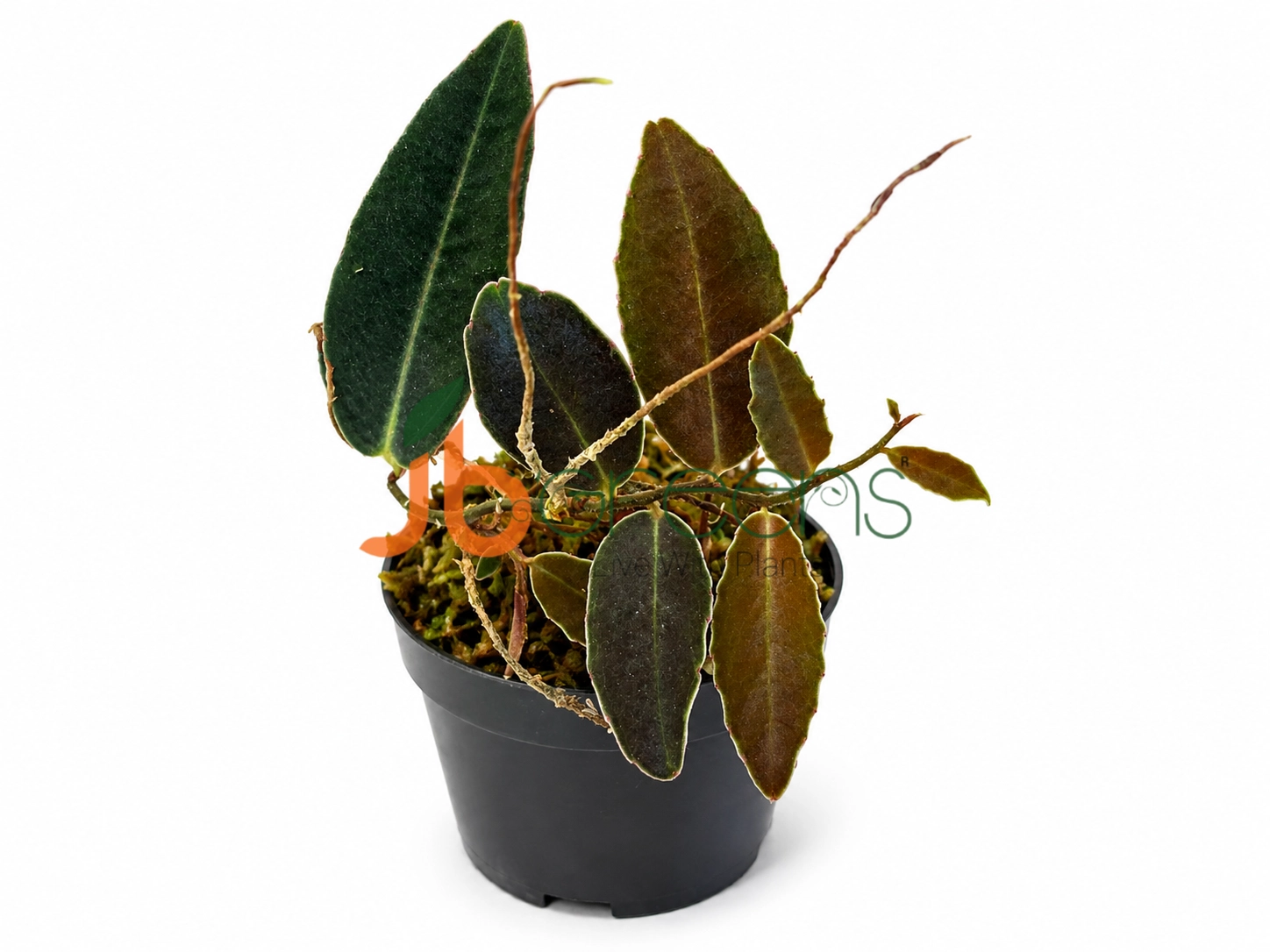
Marcgravia sp. El Coca is a rare, visually striking shingling vine prized for its velvety, rich‑colored foliage and compact, clumping habit. It is slow at first but once established can spread across walls or drift into cascading branches, making it ideal for enclosed or semi‑enclosed tropical displays. Below is a detailed breakdown of its description, adaptability, and growing conditions.
Basic description
Marcgravia sp. El Coca is a small‑to‑medium‑sized vine in the Marcgravia genus, known for its textured, almost felt‑like leaves. The upper surface is usually olive‑green to dark green, while the underside is a deep maroon to near‑black, often highlighted by fine, silvery‑white veins that give the foliage a metallic, “iridescent” look. The leaves are broadly ovate to slightly heart‑shaped, with a soft, slightly puckered texture, and mature plants can reach several inches in length.
In its juvenile phase the plant behaves as a classic shingler, laying its leaves flat against cork, wood, or foam while attaching roots at every node. Over time it shifts toward a more pendulous habit, with longer internodes and hanging branches that can trail dramatically in a tall enclosure or vivarium.
Care routine
Light
This plant thrives in bright, diffused light that mimics a shaded forest understory. It tolerates medium‑bright indirect light but shows its richest maroon undersides and tightest growth when given strong, filtered or dappled light (without direct hot sun, which can scorch and fade the leaves). In terrariums, daily exposure to a grow‑light or LED panel at moderate intensity (around 200–400 µmol, depending on height) works well as long as the light is not too hot or too close to the glass.
Water and substrate
The rootball should be kept consistently moist but never waterlogged. The plant prefers a well‑draining, organic‑rich mix that holds moisture without becoming soggy, such as a blend of peat‑based soil or coco‑based substrate with added perlite, orchid bark, or pumice for aeration. Allow the top fraction of the substrate to dry slightly between waterings rather than letting it go completely dry or stay permanently wet. Standing water on the leaves for long periods should be avoided, as this can encourage fungal issues.
Humidity
High humidity is essential for El Coca. It does best when relative humidity is kept above 70%, ideally closer to 75–90%, especially in taller or open‑top setups. In unenclosed houseplant conditions this level is hard to maintain, so it is usually grown in terrariums, bioactive enclosures, or under a sealed propagation box. Leaf margins that start to turn pale or translucent are often an early sign of humidity stress.
Temperature
The plant is a warm‑grower, preferring a stable range around 20–28°C. It reacts poorly to sudden temperature drops, cold drafts, or prolonged exposure below roughly 16–18°C, which can cause leaf drop and slowed growth. In enclosed setups, ensure the light source does not overheat the microclimate, since the same humidity that benefits the plant can also trap heat.
Fertilization
Feed with a balanced, water‑soluble fertilizer at quarter to half strength every 3–4 weeks during the active growing season. Avoid heavy or frequent dosing, as the plant can be sensitive to salt buildup. Periodic flushing of the substrate with plain water helps prevent mineral accumulation. In a heavily planted terrarium with nutrient‑rich leaf litter, fertilization frequency can be reduced.
Propagation
Propagation is typically done vegetatively by cuttings or division. Because El Coca is sensitive to humidity loss, cuttings are best rooted in a sealed, humid mini‑greenhouse (propagation box) on a loose, moist substrate or on a moist piece of cork or foam. The cut stem should have at least one healthy leaf and a node; roots emerge from the node and will eventually cling to the support surface. Direct planting in open air with low humidity often leads to “melted” or transparent leaves and poor rooting.
Adaptability and resilience
Marcgravia sp. El Coca is not a forgiving beginner plant for typical houseplant conditions; it is best treated as a specialist terrarium or vivarium species. It is very sensitive to humidity swings and low‑moisture air, so it struggles in open, dry rooms or on windowsills with strong airflow. However, within a stable, humid microclimate it can be surprisingly robust and persistent.
Once established on cork or foam, it forms a dense, mosaic‑like shingle cover that can help buffer humidity and provide micro‑habitats for mosses and microfauna. It is, however, slow to initiate growth from cuttings and may take many months to show strong new leaves. Patience and consistent conditions are key.
Growing conditions summary
-
Light: Bright, indirect or dappled light; avoid direct harsh sun.
-
Humidity: 70%+, ideally 75–90% in a closed or semi‑closed enclosure.
-
Temperature: 20–28°C, with minimal fluctuations and no cold drafts.
-
Substrate: Moist, well‑draining, organic mix with extra aeration (say, peat‑ or coco‑based with perlite/bark).
-
Water: Keep root zone evenly moist; let the top layer dry slightly between waterings.
-
Placement: Mount on cork, foam, or wood inside a terrarium, vivarium, or propagation box; not suited for dry, open‑air culture.
| Plant group | Other foliage & flowering plants |
|---|---|
| Genus | Marcgravia |
| Growing environment | Indoor growing |
| Light | Bright indirect light, Medium indirect light |
| Humidity | High humidity |
| Care difficulty | Experienced grower |
| Growth habit | Clumping |
Only logged in customers who have purchased this product may leave a review.
Related products
-
ABOUT THE PLANT: Indonesia endemic plant The photo is representative Plant in the good condition and healthy It is sold per plant Amorphophallus is a large genus of some 200 tropical and subtropical tuberous herbaceous plants from the Arum family (Araceae), native to Asia, Africa, Australia and various oceanic islands. None of them are found …
Add to cart -
ABOUT THE PLANT: Indonesia aquatic plant The photo is representative Plant is healthy and in the good condition It is sold per plant
Read more -
ABOUT THE PLANT: Indonesia aquatic plant The photo is representative Plant is healthy and in the good condition It is sold per plant
Read more

Products
-
 Asparagus plumosus
Original price was: $21.44.$16.60Current price is: $16.60.
Asparagus plumosus
Original price was: $21.44.$16.60Current price is: $16.60.
-
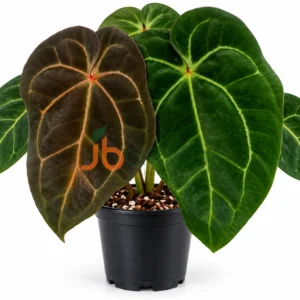 Anthurium BVIT* Docblock
Original price was: $132.77.$119.63Current price is: $119.63.
Anthurium BVIT* Docblock
Original price was: $132.77.$119.63Current price is: $119.63.
-
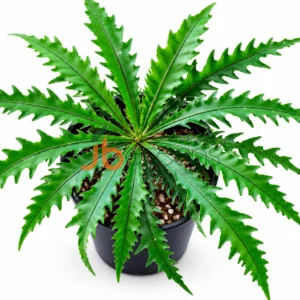 Labisia Star Light
Original price was: $30.43.$22.82Current price is: $22.82.
Labisia Star Light
Original price was: $30.43.$22.82Current price is: $22.82.
-
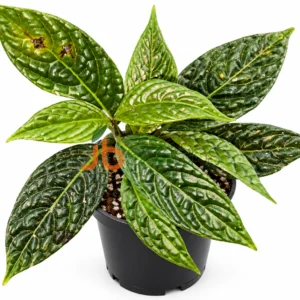 Ardisia Odontiphollia
Original price was: $30.43.$22.82Current price is: $22.82.
Ardisia Odontiphollia
Original price was: $30.43.$22.82Current price is: $22.82.
-
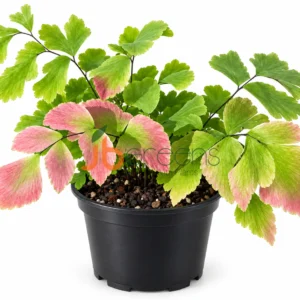 Microphyllum Verigated
Original price was: $22.13.$19.36Current price is: $19.36.
Microphyllum Verigated
Original price was: $22.13.$19.36Current price is: $19.36.




Reviews
There are no reviews yet.