
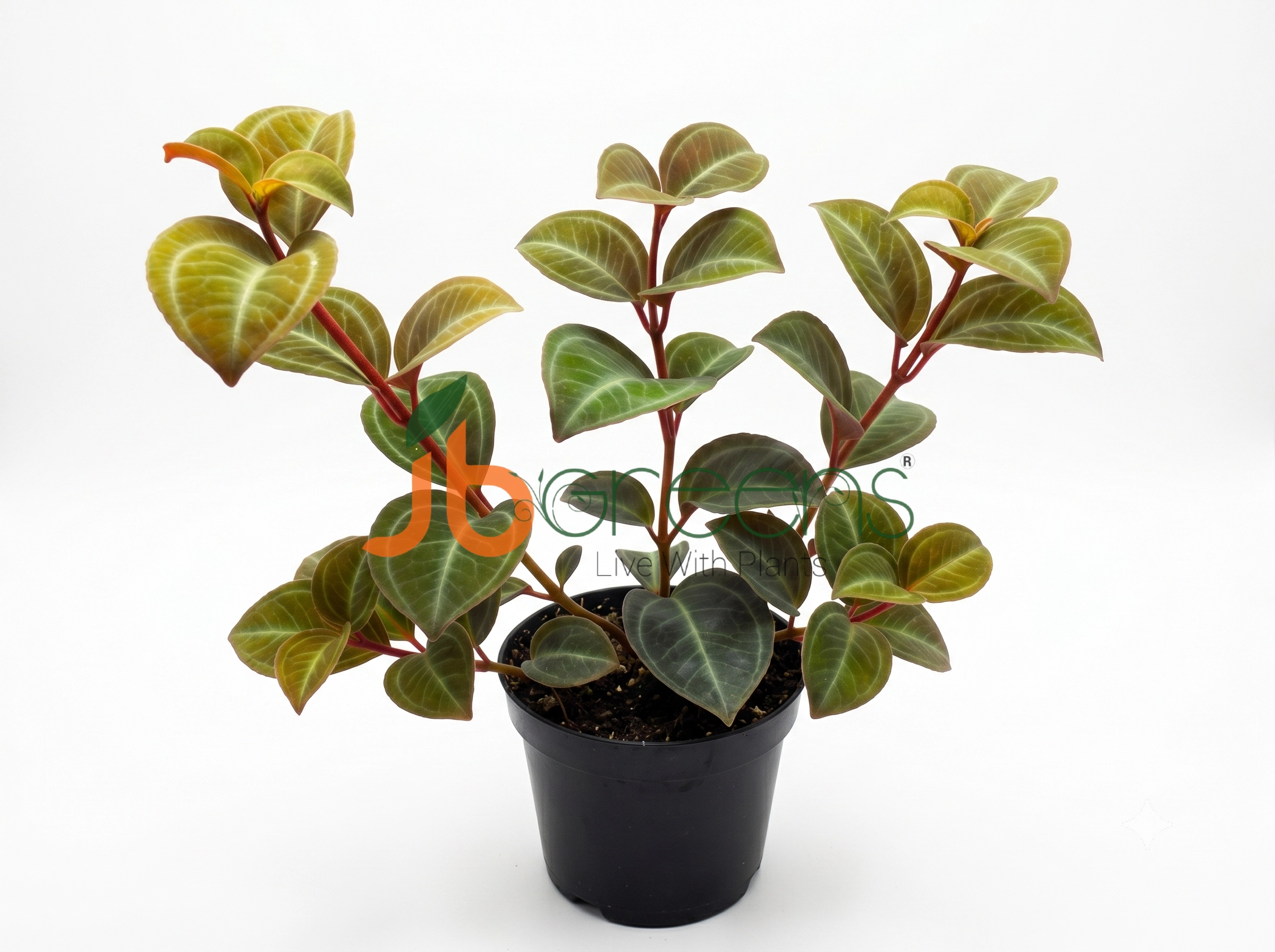
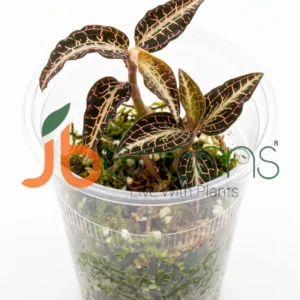
Pachycentria cf. pulverulenta is an epiphytic (or sometimes terrestrial) shrub in the Melastomataceae family, native to the tropical forests of Southeast Asia (e.g., Malaysia, Borneo, neighboring islands). Plants in this group are known for their compact to small‑tree form, showy flowers, and often striking foliage, but the exact description of this “cf.” (compare) form is somewhat uncertain because it is not a formally described species and may vary slightly between collections.
Detailed description
-
Growth habit: Typically an upright or spreading shrub, usually under 2–2.5 m tall; sometimes has a more compact, even bushy or “bonsai‑like” appearance in cultivation.
-
Leaves: Opposite, simple, with prominent parallel veins typical of Melastomataceae; leaves are often thickish, glossy, and may have a slightly bespeckled or “dusty” appearance, which is consistent with the epithet pulverulenta (meaning “mealy” or “powdery”).
-
Flowers: Small but numerous, usually borne in terminal or lateral clusters; the flowers are tubular–urceolate (urn‑shaped) with a short, clear hypanthium, which is characteristic of the tribe Sonerileae.
-
Fruits: Fleshy berries containing small, often textured seeds; these are adapted for dispersal by birds or small mammals in the wild.
Growing conditions
-
Light: Prefers bright, filtered light such as that found under a canopy in tropical forest; in cultivation this usually means partial shade or bright indirect light, protecting it from strong mid‑day sun that can scorch the leaves.
-
Temperature: Tropical, warm‑humid; it thrives where temperatures stay above about 15–18°C year‑round and does not tolerate frost or prolonged cold.pubmed.
-
Humidity: High ambient humidity is desirable because this is a naturally forest‑dwelling epiphyte; occasional misting or placement in a humid micro‑climate (greenhouse, terrarium, or humid room) helps.Potting medium and water
-
Substrate: As an epiphyte, it grows naturally on branches or in very loose, organic‑rich pockets; suitable mixes include airy, well‑drained media such as sphagnum moss, coarse bark, perlite, and some leaf‑litter–type humus.Watering: Keep the medium lightly moist but not waterlogged; pure sphagnum‑grown plants may be bottom‑watered every other day under warm, humid conditions, letting excess water drain away to avoid root rot.
-
Drainage: Avoid heavy garden soil; good air circulation around the roots is essential for long‑term health.onlinelibrary.
Fertilizing and maintenance
-
Fertilizer: Use a weak, balanced liquid fertilizer (e.g., 1:2 or 1:3 dilution) during the growing season, applied infrequently; too much fertilizer can damage the sensitive roots of an epiphytic species.pubmed.
-
Pruning: Light pruning to shape and remove dead or weak branches is acceptable; avoid heavy cutting because these plants are relatively slow‑growing in culture.
-
Ant symbiosis note: Some Pachycentria species are reported to host aggressive ants in their natural habitat, which protect the plant in exchange for nesting space and food; this is ecologically interesting but not critical for ordinary cultivation.
Adaptability and challenges in cultivation
-
Adaptability: Within the warm‑tropical range, Pachycentria cf. pulverulenta adapts well to epiphytic or semi‑epiphytic culture (mounted, in baskets, or in epiphytic mixes), mimicking its natural tree‑branch habitat.Indoor vs outdoor: It can be grown outdoors in frost‑free, humid subtropical or tropical climates (for example, South Florida), or indoors in a bright, humid environment (terrarium, greenhouse, or humid room).Common issues:
-
Low humidity or dry air → leaf curl, browning, or leaf drop.
-
Overwatering or heavy soil → root rot and gradual decline.
-
| Plant group | Other foliage & flowering plants |
|---|---|
| Genus | Pachycentria |
| Light | Bright indirect light, Medium indirect light |
| Humidity | High humidity |
Only logged in customers who have purchased this product may leave a review.
Related products
-
ABOUT THE PLANT: Indonesia endemic plant The photo is representative Plant in the good condition and healthy It is sold per plant Amorphophallus is a large genus of some 200 tropical and subtropical tuberous herbaceous plants from the Arum family (Araceae), native to Asia, Africa, Australia and various oceanic islands. None of them are found …
Add to cart -
ABOUT THE PLANT: Common name: Acranthera Sp. Red Metallic Indonesia endemic plant The photo is representative Plant is healthy and in the good condition It is sold per plant
Read more -
ABOUT THE PLANT: Indonesia aquatic plant The photo is representative Plant is healthy and in the good condition It is sold per plant
Read more -
ABOUT THE PLANT : Indonesia endemic plant The photo is representative Plant is healthy and in the good condition It is sold per plant Aglaonema are rhizomatous evergreen perennials with short stems bearing long-stalked, often attractively variegated leaves and rather insignificant, greenish or cream flowering spathes. (Source : Wikipedia) Scientific classification Kingdom: Plantae Clade: Tracheophytes …
Read more


Products
-
 Asparagus plumosus
Original price was: $21.44.$16.60Current price is: $16.60.
Asparagus plumosus
Original price was: $21.44.$16.60Current price is: $16.60.
-
 Anthurium BVIT* Docblock
Original price was: $132.77.$119.63Current price is: $119.63.
Anthurium BVIT* Docblock
Original price was: $132.77.$119.63Current price is: $119.63.
-
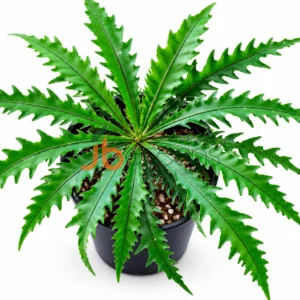 Labisia Star Light
Original price was: $30.43.$22.82Current price is: $22.82.
Labisia Star Light
Original price was: $30.43.$22.82Current price is: $22.82.
-
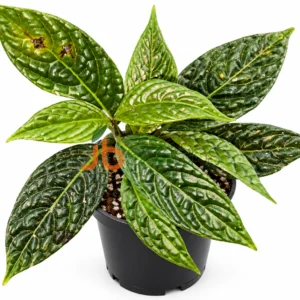 Ardisia Odontiphollia
Original price was: $30.43.$22.82Current price is: $22.82.
Ardisia Odontiphollia
Original price was: $30.43.$22.82Current price is: $22.82.
-
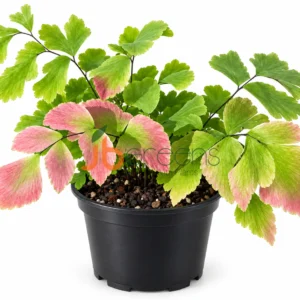 Microphyllum Verigated
Original price was: $22.13.$19.36Current price is: $19.36.
Microphyllum Verigated
Original price was: $22.13.$19.36Current price is: $19.36.

Reviews
There are no reviews yet.