
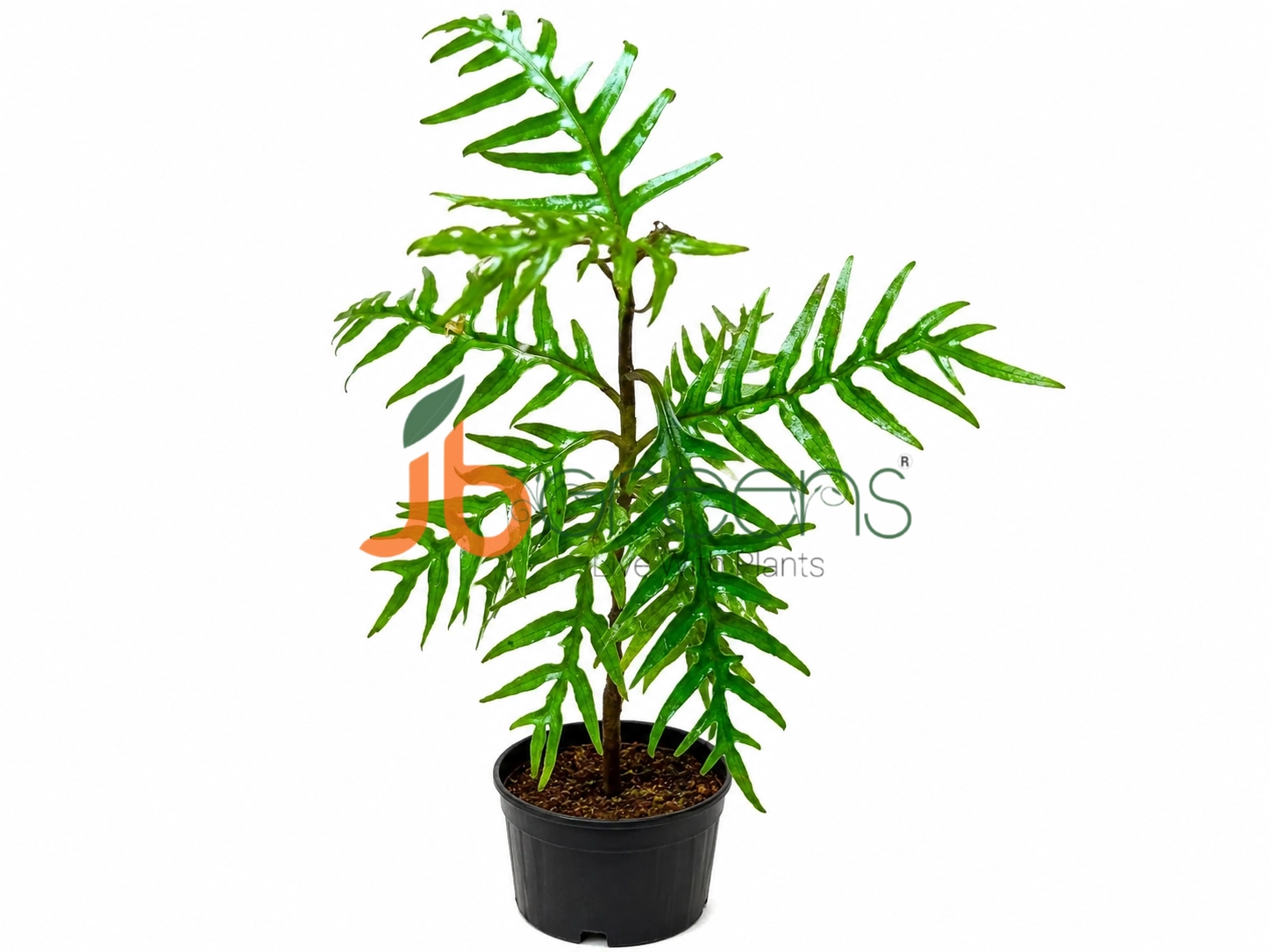
Labisia sp. ‘Needle Leaf’ – The Jewel of the Jungle
If you are looking to elevate your rare plant collection or build a breathtaking, enclosed ecosystem, the Labisia sp. ‘Needle Leaf’ is an absolute showstopper. Highly sought-after by terrarium enthusiasts and exotic plant collectors, this miniature botanical treasure brings the untamed, prehistoric feel of the Southeast Asian rainforest straight into your home.
Taxonomy & Origins
-
Scientific Name: Labisia sp. ‘Needle Leaf’ (often traded interchangeably as an Ardisia species due to close botanical similarities).
-
Family: Primulaceae (formerly classified under the Myrsinaceae family).
-
Discovery & Naming: The genus Labisia was originally discovered and named by the renowned English botanist John Lindley in 1846. However, this specific ‘Needle Leaf’ variant is a relatively recent discovery by modern plant hunters. Because it remains scientifically undescribed, it carries the “sp.” (species) tag alongside its trade name ‘Needle Leaf,’ given to it by the botanical community for its distinct foliage.
-
Natural Habitat: This plant is native to the deep, ultra-humid forest understories of Southeast Asia, primarily found in the tropical rainforests of Borneo and Sumatra. It grows terrestrially on the heavily shaded, nutrient-rich forest floor.
-
Life Cycle: Evergreen perennial undershrub. It is exceptionally slow-growing, allowing it to maintain its compact size for years.
Botanical Features & Identification
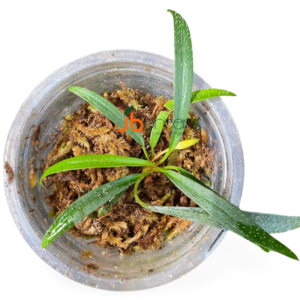
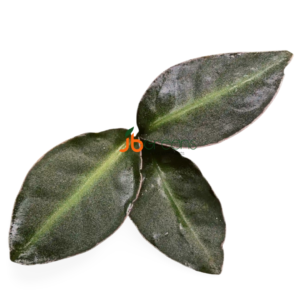
Unlike the broad, rounded foliage of the famous Labisia ‘Turtle Back’, the ‘Needle Leaf’ is easily identified by its highly elongated, narrow, lanceolate leaves (shaped like a sword or thick needle). The foliage is incredibly striking — typically boasting a dark, moody green-to-blackish hue with a slightly textured, rigid surface and a contrasting, pronounced lighter midrib. As it matures, it develops a slightly woody stem but remains very compact.
Complete Care Guide
To keep your Labisia thriving, you need to mimic the conditions of the Bornean forest floor.
Potting & Substrate
Because this plant grows in the organic debris of the rainforest, it requires a substrate that is exceptionally well-draining, highly aerated, but capable of retaining steady moisture. Dense, standard potting soils will quickly suffocate its delicate root system.
-
The JB Greens Solution: We highly recommend potting this species in our premium JB Greens Terrarium Mix or our chunky Aroid Media. Our specialized blends use high-quality bark, perlite, and premium moss to ensure the roots can breathe while staying perfectly hydrated.
Lighting Requirements
-
Low to Medium Indirect Light. In the wild, these plants are shielded by the dense rainforest canopy. Direct sunlight will quickly scorch their dark, sensitive leaves. They do exceptionally well under terrarium LED grow lights set to moderate intensity or placed a few feet away from a bright window.
Watering & Humidity
-
Watering: The soil must remain consistently, evenly moist at all times. Never allow the potting media to dry out completely, but ensure it never sits in stagnant water (which leads to root rot).
-
Humidity: This is the most critical factor. Labisia ‘Needle Leaf’ demands extremely high humidity (80% to 100%). It will struggle and crisp up in standard household air, making it strictly an enclosed-environment plant.
Nutrients & Fertilization
As an incredibly slow grower, it is a very light feeder. Over-fertilizing will easily burn its delicate roots.
-
The JB Greens Solution: Boost your plant’s vitality safely using JB Greens Plant Tonics. Apply our gentle, liquid organic tonic diluted to 1/4 strength just once a month during active growth. Our tonics provide the exact micronutrients required to keep the foliage dark, rigid, and vibrant without risking chemical burn.
Repotting
You will rarely need to repot your Labisia ‘Needle Leaf’. Because it grows so slowly and has a shallow, delicate root system, it prefers to be left undisturbed. Only repot every 1.5 to 2 years if the potting media has broken down and become too dense, or if the plant has truly outgrown its space.
Specialty Uses: Terrariums & Paludariums
The Labisia ‘Needle Leaf’ is universally considered a “holy grail” plant for high-end vivariums, terrariums, and paludariums.
Here is why it shines in enclosed setups:
-
Scale and Proportion: Because it is so slow-growing, it won’t rapidly take over your tank and block out other plants. It maintains a perfect sense of scale.
-
Architectural Contrast: The spiky, linear shape of the ‘Needle Leaf’ provides a striking visual contrast when planted next to round-leafed Begonias, creeping Ficus, or soft, fluffy mosses.
-
Perfect Environment Match: The enclosed glass of a terrarium naturally traps the 90%+ humidity and warm, stable temperatures this species requires to survive.
Placement Tip: Plant it as a mid-ground or background feature in your paludarium where it is elevated slightly above the water line. Ensure the roots are in the substrate but never submerged in the aquatic portion of the tank.
Ready to add this exotic rarity to your collection? Pair your Labisia ‘Needle Leaf’ with our JB Greens Premium Potting Media and Plant Tonics today to guarantee a flawless acclimation!
| Plant group | Other foliage & flowering plants |
|---|---|
| Genus | Labisia |
| Botanical family | Primulaceae |
| Light | Low indirect light, Medium indirect light |
| Humidity | Very high humidity |
Only logged in customers who have purchased this product may leave a review.
Related products
-
ABOUT THE PLANT : Indonesia endemic plant The photo is representative Plant is healthy and in the good condition It is sold per plant Aglaonema are rhizomatous evergreen perennials with short stems bearing long-stalked, often attractively variegated leaves and rather insignificant, greenish or cream flowering spathes. (Source : Wikipedia) Scientific classification Kingdom: Plantae Clade: Tracheophytes …
Read more -
ABOUT THE PLANT: Indonesia aquatic plant The photo is representative Plant is healthy and in the good condition It is sold per plant
Read more -
ABOUT THE PLANT: Common name: Acranthera Sp. Red Metallic Indonesia endemic plant The photo is representative Plant is healthy and in the good condition It is sold per plant
Read more -
ABOUT THE PLANT: Common name: Acranthera Sp. Silver Indonesia endemic plant The photo is representative Plant is healthy and in the good condition It is sold per plant
Read more



Products
-
 Asparagus plumosus
Original price was: ₹1,550.00.₹1,200.00Current price is: ₹1,200.00.
Asparagus plumosus
Original price was: ₹1,550.00.₹1,200.00Current price is: ₹1,200.00.
-
 Anthurium BVIT* Docblock
Original price was: ₹9,600.00.₹8,650.00Current price is: ₹8,650.00.
Anthurium BVIT* Docblock
Original price was: ₹9,600.00.₹8,650.00Current price is: ₹8,650.00.
-
 Labisia Star Light
Original price was: ₹2,200.00.₹1,650.00Current price is: ₹1,650.00.
Labisia Star Light
Original price was: ₹2,200.00.₹1,650.00Current price is: ₹1,650.00.
-
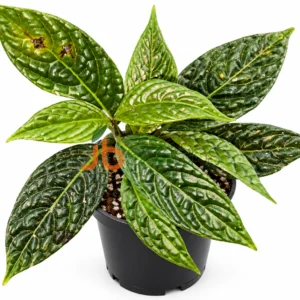 Ardisia Odontiphollia
Original price was: ₹2,200.00.₹1,650.00Current price is: ₹1,650.00.
Ardisia Odontiphollia
Original price was: ₹2,200.00.₹1,650.00Current price is: ₹1,650.00.
-
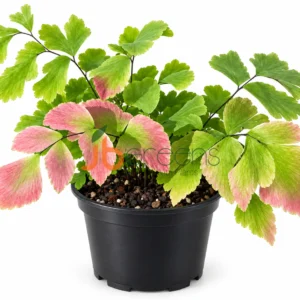 Microphyllum Verigated
Original price was: ₹1,600.00.₹1,400.00Current price is: ₹1,400.00.
Microphyllum Verigated
Original price was: ₹1,600.00.₹1,400.00Current price is: ₹1,400.00.
Reviews
There are no reviews yet.