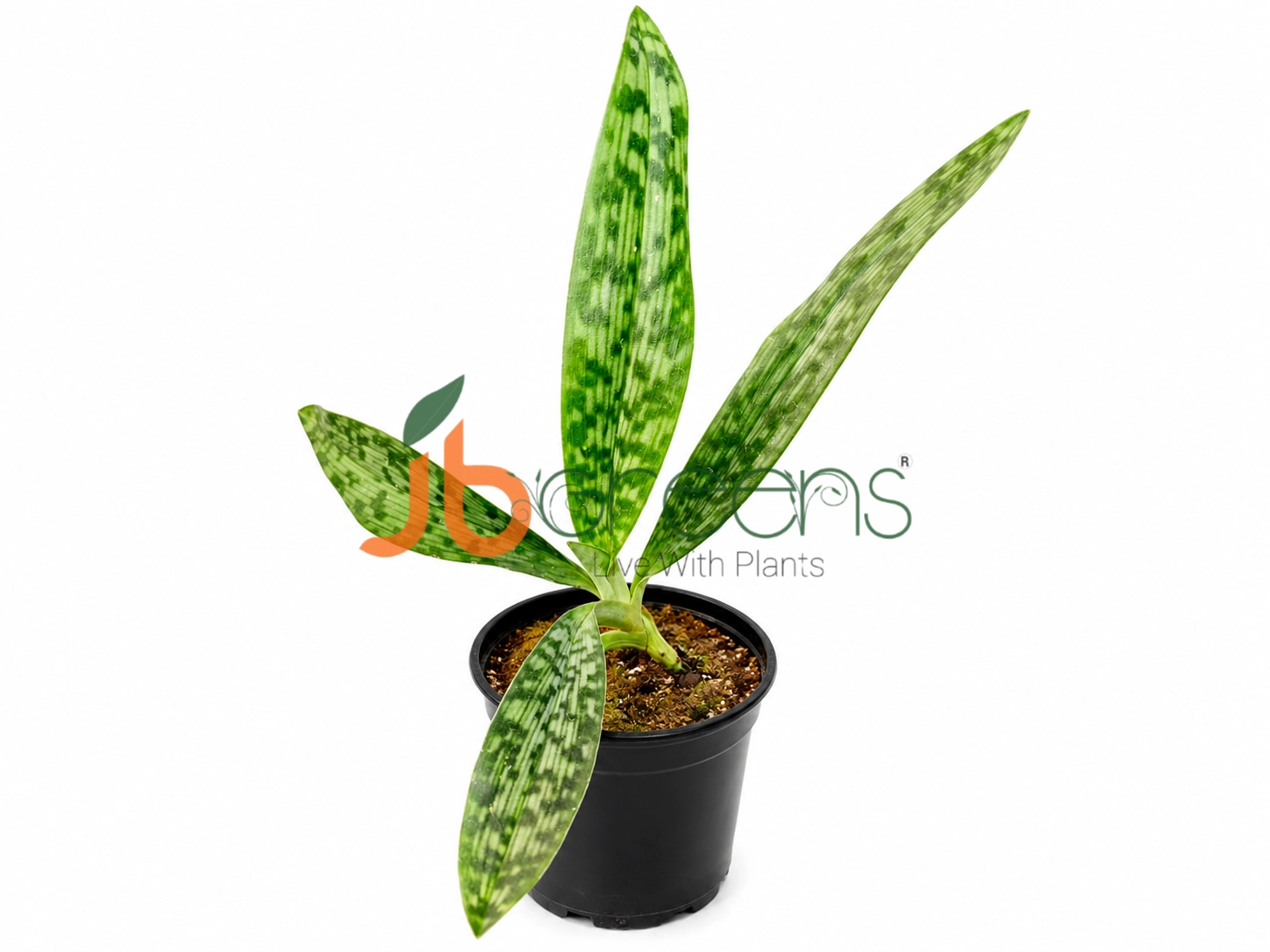
Paphiopedilum hainanense is a captivating, sophisticated orchid that stands as a true gem for collectors and enthusiasts of rare tropical flora. Often celebrated for its stunning, intricately mottled foliage and elegant, slipper-shaped blooms, this species is a highlight for any sophisticated plant collection.
Below is a detailed guide tailored for your website, jbgreens.com.
Plant Profile: Paphiopedilum hainanense
Botanical Name: Paphiopedilum hainanense
Family: Orchidaceae (Subfamily: Cypripedioideae)
Common Names: Lady’s Slipper Orchid
Nature & Identification
-
Physical Features: This is a small-to-medium-sized orchid. Its most striking feature is its “tessellated” foliage—leathery, elliptical leaves beautifully mottled with shades of pale and dark green.
-
Blooms: It typically produces a single, elegant flower on an erect, purple-brown pubescent stem. The flower features a prominent, boot-shaped labellum (the “slipper”) and graceful, often weeping lateral petals with deep rose-purple tips.
-
Habitat: Naturally found in the deep shade of lowland evergreen forests and primary highland cloud forests in China, Vietnam, Laos, and Cambodia. They are often found growing as terrestrials in leaf mold or as lithophytes on mossy rocks.
Care & Maintenance
-
Light: Prefers deep, filtered shade. Avoid direct, harsh sunlight, which can scorch the mottled leaves. An east-facing window is ideal.
-
Watering: Paphiopedilum hainanense does not have pseudobulbs to store water, so it must be kept consistently moist but never soggy. Water in the morning to allow the foliage and crown to dry before evening. Flush the pot thoroughly to prevent salt buildup.
-
Humidity: Thrives in high humidity (45%–70%). Use a pebble tray or a humidifier to maintain consistent levels.
-
Nutrient Requirements: A balanced, urea-free orchid fertilizer (like 20-20-20) applied at 1/4 strength with every other watering is ideal. Always flush with pure water once a month to remove mineral salts.
Missouri Botanical Garden
-
Potting: Best grown in high-quality, free-draining media. We recommend a blend of premium pine bark, perlite, and charcoal (or high-quality sphagnum moss).
-
Repotting: Repot every 1–2 years as the medium breaks down. Early spring is the best time, or immediately after the blooming cycle finishes.
Speciality & Uses
-
Terrarium & Paludarium: Its preference for shade and high humidity makes it an exceptional choice for professional vivariums and terrariums. It adds a premium aesthetic when planted in a coarse, well-draining substrate base, often paired with moss to mimic its natural forest-floor habitat.
-
Why It’s Special: It is a vigorous grower that rewards patient hobbyists with striking, long-lasting flowers. Its ability to thrive in “apartment conditions” (intermediate temperatures) makes it far more accessible than high-altitude, cool-growing species.
-
Elevate Your Collection with JB Greens Essentials
To ensure your Paphiopedilum hainanense thrives, we recommend pairing it with the signature products available at jbgreens.com:
-
Premium Potting Media: Our custom-blended, coarse-grade substrate is specifically designed to allow for the airflow and drainage that Paphiopedilum roots crave, preventing rot while maintaining vital moisture.
-
JB Greens Plant Tonics: Our specially formulated orchid tonics provide the micronutrients and biostimulants that promote robust root growth and vibrant foliage mottling, mirroring the nutrient-rich humus of their native forest homes.



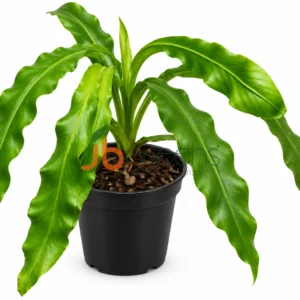
 Asparagus plumosus
Original price was: ₹1,550.00.₹1,200.00Current price is: ₹1,200.00.
Asparagus plumosus
Original price was: ₹1,550.00.₹1,200.00Current price is: ₹1,200.00.
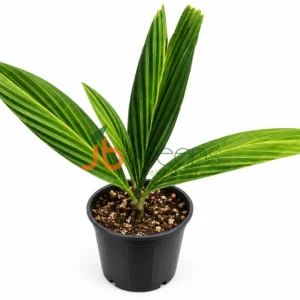
 Anthurium BVIT* Docblock
Original price was: ₹9,600.00.₹8,650.00Current price is: ₹8,650.00.
Anthurium BVIT* Docblock
Original price was: ₹9,600.00.₹8,650.00Current price is: ₹8,650.00.
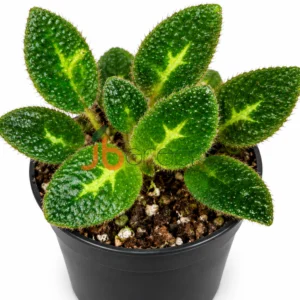
 Labisia Star Light
Original price was: ₹2,200.00.₹1,650.00Current price is: ₹1,650.00.
Labisia Star Light
Original price was: ₹2,200.00.₹1,650.00Current price is: ₹1,650.00.
 Ardisia Odontiphollia
Original price was: ₹2,200.00.₹1,650.00Current price is: ₹1,650.00.
Ardisia Odontiphollia
Original price was: ₹2,200.00.₹1,650.00Current price is: ₹1,650.00.
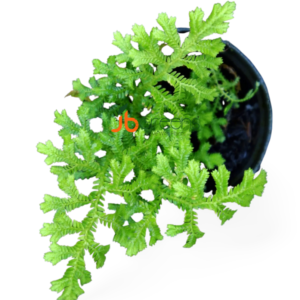
 Microphyllum Verigated
Original price was: ₹1,600.00.₹1,400.00Current price is: ₹1,400.00.
Microphyllum Verigated
Original price was: ₹1,600.00.₹1,400.00Current price is: ₹1,400.00.
Reviews
There are no reviews yet.