The Piper parmatum (often colloquially referred to as the Black Piper or Ornamental Piper) is a breathtaking choice for any serious collector or terrarium enthusiast. Its moody, dark foliage and unique texture make it a standout specimen that brings an immediate “rainforest floor” aesthetic to your collection.
Plant Profile: Piper parmatum
-
Family: Piperaceae
-
Origin: Native to the humid, shaded tropical forests of Central and South America (notably Panama).
-
Specialty & Features: This species is prized for its “peltate” (shield-shaped) leaves. As they mature, the leaves deepen to a dramatic, almost black-green hue, often featuring a velvety, quilted texture that catches the light beautifully. Its growth habit is naturally shrubby but can be trained to climb, making it versatile for various displays.
Care Requirements
-
Lighting: Thrives in bright, indirect light. Avoid harsh, direct midday sun, which can scorch the velvety surface of the leaves. In a home setting, a North or East-facing window is ideal.
-
Watering: Prefers consistent moisture. Allow only the very top layer of the substrate to dry out between waterings. Avoid letting the plant sit in standing water, as this can lead to root issues.
-
Humidity: This is a tropical species that demands higher humidity (60–80%+). It excels in terrarium or paludarium environments where moisture levels are stable. If kept in open air, consider grouping it with other plants or using a pebble tray.
-
Nutrient Requirements: Feed sparingly during the active growing season (spring/summer) with a balanced, diluted liquid fertilizer.
-
Potting & Repotting: Use a well-draining, airy organic mix. Avoid large pots; this plant prefers to be slightly snug. Repot only when roots have visibly filled the current container.
Terrarium & Paludarium Mastery
The Piper parmatum is a crown jewel for enclosed setups. Because it loves consistent humidity and filtered light, it integrates perfectly into the understory layer of a terrarium or the misty banks of a paludarium. It pairs beautifully with lighter-colored or variegated plants, providing a dark, moody backdrop that makes other foliage “pop.”
Elevate Your Grow with JB Greens Essentials
To ensure your Piper parmatum thrives with the deep, saturated color and healthy growth it is known for, we recommend our specialized internal product line:
-
JB Greens Premium Potting Media: Our custom blend is specifically engineered for aroids and Piper species. It provides the perfect balance of aeration and moisture retention, ensuring that delicate roots stay oxygenated while never drying out completely—crucial for maintaining the health of velvety leaves.
-
JB Greens Plant Tonic: Formulated to support tropical foliage, our tonic helps the plant withstand the indoor environment, promoting vibrant, deep-pigment leaf development and robust root structure.
Pro-Tip for Your Setup: When arranging your display, ensure the stem is placed firmly inside the pot/substrate to encourage stable growth. Use our JB Greens Potting Media as a base to ensure the stem remains securely positioned, preventing the “leggy” appearance that can occur in less stable mixes.




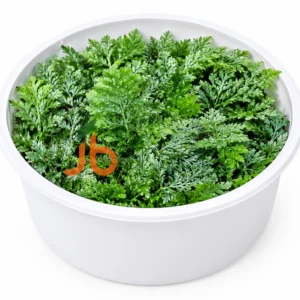
 Asparagus plumosus
Original price was: ₹1,550.00.₹1,200.00Current price is: ₹1,200.00.
Asparagus plumosus
Original price was: ₹1,550.00.₹1,200.00Current price is: ₹1,200.00.
 Anthurium BVIT* Docblock
Original price was: ₹9,600.00.₹8,650.00Current price is: ₹8,650.00.
Anthurium BVIT* Docblock
Original price was: ₹9,600.00.₹8,650.00Current price is: ₹8,650.00.
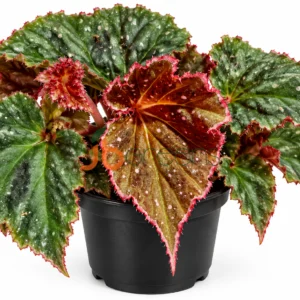
 Labisia Star Light
Original price was: ₹2,200.00.₹1,650.00Current price is: ₹1,650.00.
Labisia Star Light
Original price was: ₹2,200.00.₹1,650.00Current price is: ₹1,650.00.
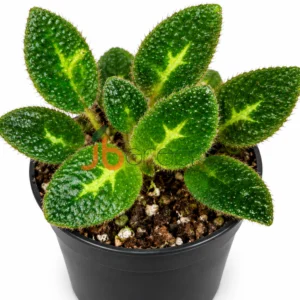
 Ardisia Odontiphollia
Original price was: ₹2,200.00.₹1,650.00Current price is: ₹1,650.00.
Ardisia Odontiphollia
Original price was: ₹2,200.00.₹1,650.00Current price is: ₹1,650.00.
 Microphyllum Verigated
Original price was: ₹1,600.00.₹1,400.00Current price is: ₹1,400.00.
Microphyllum Verigated
Original price was: ₹1,600.00.₹1,400.00Current price is: ₹1,400.00.
Reviews
There are no reviews yet.