
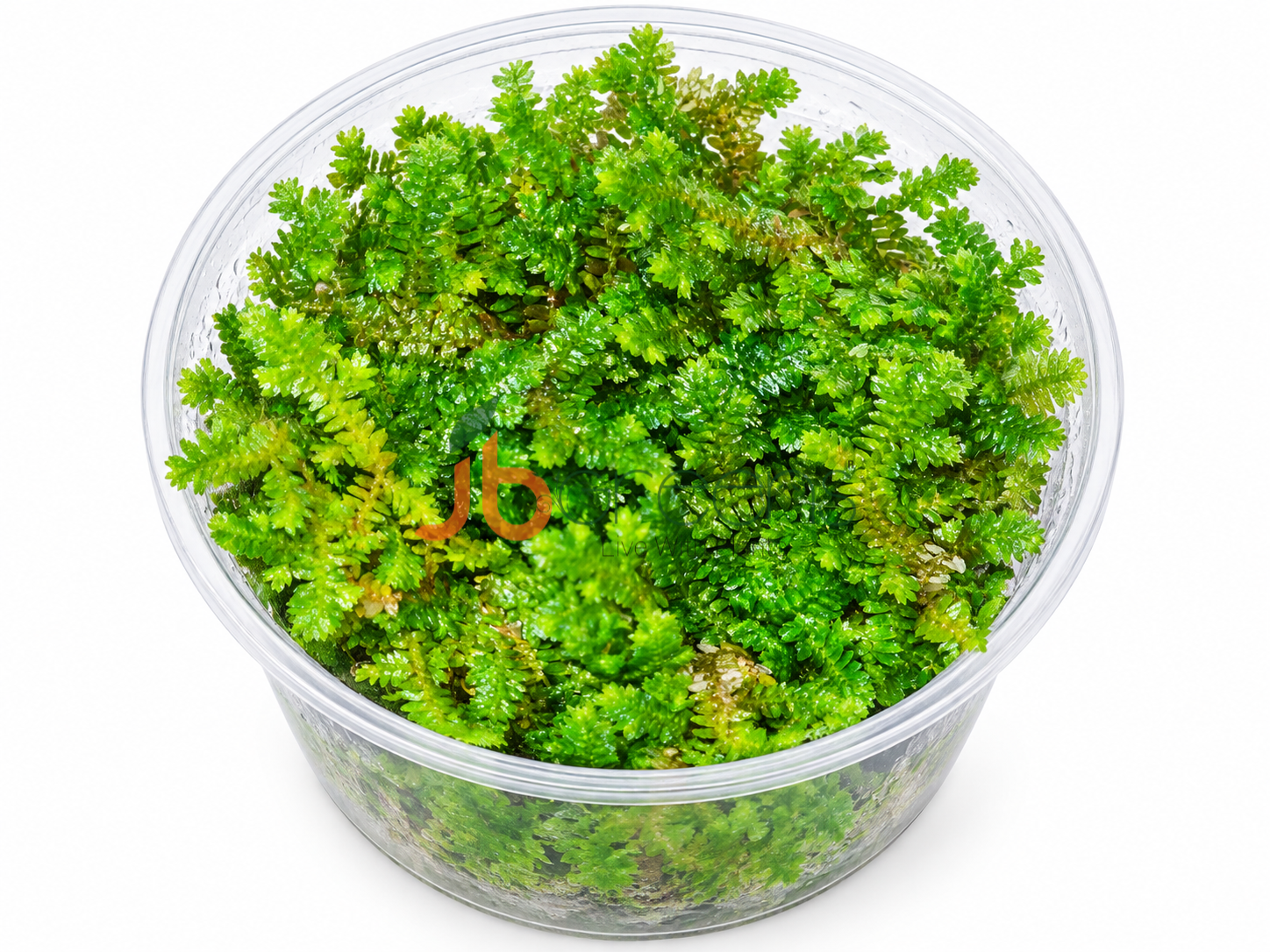
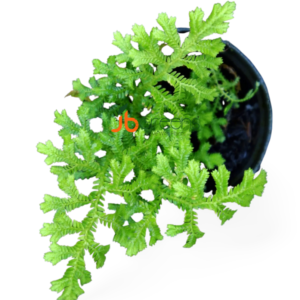
Selaginella kraussiana ‘Aurea’ is a fine‑textured, creeping spikemoss cultivar valued for its soft, golden‑to‑lime‑green foliage and mat‑forming habit. It is often used as a vivid ground cover in shade gardens, terrariums, or as a moisture‑loving houseplant “carpet.
Plant description
-
Growth habit: Low, creeping or trailing perennial that forms dense carpets or cushions 2–6 cm high and can spread 30–50 cm or more if unrestricted.
-
Foliage: Tiny, closely spaced, scale‑like leaves arranged in feathery, almost fern‑like branchlets; the ‘Aurea’ form has golden‑yellow to lime‑green coloring, especially on the growing tips.
-
Taxonomy and texture: A true spikemoss (Selaginellaceae), not a moss or fern, but its dense, moss‑like texture makes it ideal for covering soil or lining terrarium floors.
Light and adaptability
-
Light requirement: Prefers bright, indirect light or partial to deep shade; avoid hot, direct sun that can bleach or scorch the leaves.
-
Indoor adaptability: Very well suited to terrariums, paludariums, and humid indoor spots such as bathrooms or kitchens with a north‑ or east‑facing window.
-
Landscape adaptability: In warm, coastal or subtropical climates it can be used as a shade‑loving ground cover under trees or in boggy wood‑edge settings, usually in zones roughly 11–12 or as an outdoor container plant in milder protected areas.plants.ces.
Growing conditions (soil and medium)
-
Medium: Needs a humus‑rich, moisture‑retentive but well‑draining mix; a blend of peat or coco‑coir, perlite, and leaf mould or compost works well.
-
pH and texture: Thrives in slightly acidic to neutral conditions (around pH 5.5–7.0), similar to typical fern mixes.
-
Wetness tolerance: Likes a constantly moist or “very wet” substrate; it tolerates short‑term wetness but should not sit in stagnant water for long, as this can encourage rot.
Watering and humidity care
-
Watering: Keep the substrate consistently moist but not waterlogged; never let it dry out completely. Use rainwater, distilled water, or softened water if possible, since lime‑hard water can stress the plant.
-
Humidity: Prefers high humidity (often quoted around 70–80% relative humidity), which is why it does so well in terrariums or enclosed setups. If kept as a houseplant, frequent misting or placing on a humidity tray helps where air is dry.
Temperature and climate range
-
Temperature range: Comfortable between about 18–24 °C (65–75 °F), which matches typical indoor room temperatures.
-
Frost tolerance: Not frost‑hardy; in temperate regions it is treated as a houseplant or grown under glass, with a minimum of about 5 °C (41 °F).
-
In warm, sheltered spots (e.g., coastal or urban microclimates), ‘Aurea’ can persist outdoors year‑round as a ground cover, but may suffer in hot, dry, or very windy sites.
Fertilizing and maintenance
-
Feeding: Apply a diluted, balanced liquid fertilizer (half‑strength) every 4–6 weeks during active growth (spring–summer); avoid strong or frequent fertilization, as this can damage the delicate .
-
Pruning and tidying: Light trimming can keep the carpet neat and encourage bushier growth; remove any brown or sparse patches to maintain vibrant color.
-
Propagation: Very easy to propagate by division or stem cuttings; simply snip trailing or lateral shoots and place them on moist medium, keeping warm and humid until they root.
Common problems and tips
-
Drying out: If the substrate dries, the plant can go brown and crispy; re‑wet promptly and increase humidity, but badly desiccated patches may need to be pruned.
-
Over‑watering or poor drainage: Sitting in heavy, compacted soil or water‑logged pots can lead to stem rot; ensure good drainage and aeration in the mix.
-
Low light and weak growth: In very deep shade or dim indoor spots, the stems may stretch and the golden color can fade; increasing brightness (still indirect) often restores compact, brighter growth.
Only logged in customers who have purchased this product may leave a review.
Related products
-
ABOUT THE PLANT: Indonesia endemic plant The photo is representative Plant in the good condition and healthy It is sold per plant Selaginella is the sole genus of vascular plants in the family Selaginellaceae, the spikemosses or lesser clubmosses. Selaginella occurs mostly in the tropical regions of the world, with a handful of species to …
Add to cart -
ABOUT THE PLANT: Indonesia endemic plant The photo is representative Plant in the good condition and healthy It is sold per plant Selaginella is the sole genus of vascular plants in the family Selaginellaceae, the spikemosses or lesser clubmosses. Selaginella occurs mostly in the tropical regions of the world, with a handful of species to …
Read more -
ABOUT THE PLANT: Indonesia endemic plant from Kalimantan The photo is representative Plant in the good condition and health It is sold per plant Selaginella is the sole genus in the family Selaginellaceae, the spikemosses or lesser clubmosses, a kind of vascular plant. Kingdom: Plantae Clade: Tracheopyhtes Clade: Lycophytes Class: Lycopodiopsida Order: Selaginellales Prantl Family: …
Add to cart -
ABOUT THE PLANT: Indonesia endemic plant The photo is representative Plant in the good condition and healthy It is sold per plant Selaginella is the sole genus of vascular plants in the family Selaginellaceae, the spikemosses or lesser clubmosses. Selaginella occurs mostly in the tropical regions of the world, with a handful of species to …
Add to cart
Products
-
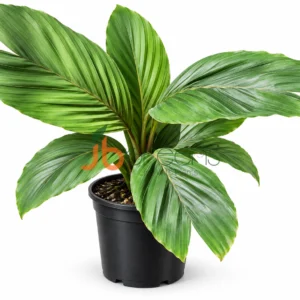 Pinanga Subterranea
Original price was: $53.94.$44.95Current price is: $44.95.
Pinanga Subterranea
Original price was: $53.94.$44.95Current price is: $44.95.
-
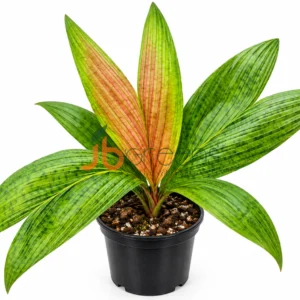 Palm Calyptrocaly*Sp Timikaence
Original price was: $91.14.$81.60Current price is: $81.60.
Palm Calyptrocaly*Sp Timikaence
Original price was: $91.14.$81.60Current price is: $81.60.
-
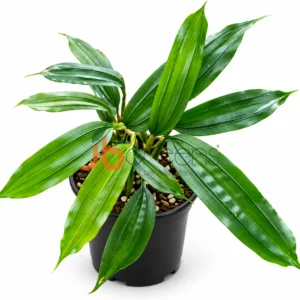 Mapania Cuspidata
Original price was: $38.17.$31.81Current price is: $31.81.
Mapania Cuspidata
Original price was: $38.17.$31.81Current price is: $31.81.
-
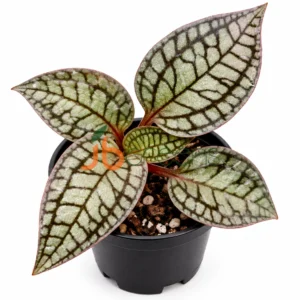 Jewel Cheirostylis montana
Original price was: $20.05.$15.21Current price is: $15.21.
Jewel Cheirostylis montana
Original price was: $20.05.$15.21Current price is: $15.21.
-
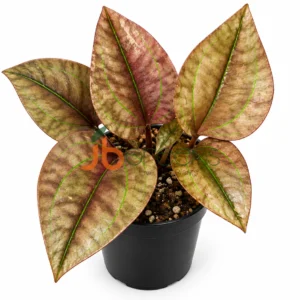 Orchid Nephelaphyllum Pulchrum
Original price was: $17.98.$13.14Current price is: $13.14.
Orchid Nephelaphyllum Pulchrum
Original price was: $17.98.$13.14Current price is: $13.14.


Reviews
There are no reviews yet.