

Hymenophyllum revolutum is a small, delicate filmy fern with very thin, translucent fronds that are typically only one or two cells thick, giving it a “filmy” appearance. It grows as either an epiphyte or terrestrially, forming dense, turf‑like patches over time from long‑creeping, wiry rhizomes that branch and intertwine.
Detailed description
The fronds are light green, narrow to broadly ovate, and usually 2‑ to 3‑pinnate, with the final segments being linear to oblong and often forked, with deeply toothed margins. The stalks (stipes) are short (a few millimeters up to a couple of centimeters), thin, and brittle, with a narrowly winged rachis in the upper part. The sori are borne on short, winged side branches near the main axis, typically one per primary pinna, sitting along the acroscopic (upper) margin, and are protected by inrolled leaf margins that act as a hood‑like indusium.
Care and cultivation
This species is highly sensitive to drying out and needs consistently high humidity and a constantly moist but not waterlogged substrate. It thrives best in a very airy, moisture‑retentive medium such as live or semi‑dried sphagnum moss, fern fiber, or on a damp plaque of tree fern or cork, where the rhizomes can creep over the surface. Gentle, pure water (rain, distilled, or reverse‑osmosis) is preferred because it lacks mineral buildup that can harm the thin leaf tissue.
Light should be low to moderate, diffused, and without strong sun; bright shade or indirect light in a terrarium or glasshouse works well, but hot, direct rays will quickly scorch and desiccate the fronds. Temperature‑wise it prefers cool‑to‑warm conditions, avoiding extremes, and is happiest in a sheltered, stable microclimate rather than exposed, drafty spots. Fertilizer, if used, should be extremely dilute and applied very infrequently, as its natural habitats are low‑nutrient and the plant is adapted to absorb nutrients slowly from thin films of water and moss.
Adaptability
Filmy ferns in this genus are adapted to life in very humid, sheltered habitats where moisture is nearly constant, such as moss‑covered branches, rock overhangs, and damp forest floors. Their thin, acellular‑thick leaves maximize gas exchange and water absorption but make them extremely vulnerable to desiccation, so they cannot tolerate dry air or intermittent drying. Over time, Hymenophyllum revolutum can spread locally by extending its creeping rhizomes and forming small mats, but it is generally slow‑growing and takes a long time to establish in cultivation.
Growing conditions
In cultivation, think of a microenvironment similar to a shaded, dripping mossy niche: high humidity (ideally 80% or higher), cool‑to‑moderate temperatures, and constant moisture. It does well in sealed or semi‑sealed terrariums, or on shaded walls and rafters with a fine mist system or nearby water feature that keeps the air and surfaces damp. Good air film movement (not direct wind) is important to prevent fungal growth, while the rhizomes and substrate base must never fully dry out. Avoid heavy fertilization, compacted potting mixes, and hot or dry “room” conditions, as these will cause the delicate fronds to brown and die back rapidly.
| Plant group | Ferns |
|---|---|
| Genus | Hymenophyllum |
| Botanical family | Hymenophyllaceae |
| Light | Low indirect light, Medium indirect light |
| Growth habit | Creeping |
Only logged in customers who have purchased this product may leave a review.
Related products
-
ABOUT THE PLANT: Indonesia endemic plant from Papua The photo is representative Plant in the good condition and healthy 4-6 leaves It is sold per plant Ardisia is a genus of flowering plants in the family Primulaceae. It was in the former Myrsinaceae family now recognised as the myrsine sub-family Myrsinoideae. They are distributed in …
Read more -
ABOUT THE PLANT: Indonesia endemic plant The photo is representative Plant is healthy and in the good condition It is sold per plant
Read more -
ABOUT THE PLANT : Indonesia endemic plant The photo is representative Plant is healthy and in the good condition It is sold per plant Aglaonema are rhizomatous evergreen perennials with short stems bearing long-stalked, often attractively variegated leaves and rather insignificant, greenish or cream flowering spathes. (Source : Wikipedia) Scientific classification Kingdom: Plantae Clade: Tracheophytes …
Read more -
ABOUT THE PLANT: Indonesia endemic plant from Sumatera and Java Island The photo is representative Plant in the good condition and healthy It is sold per plant Cosmianthemum is a genus of flowering plants belonging to the family Acanthaceae. Scientific classification Kingdom: Plantae Clade: Tracheophytes Clade: Angiosperms Clade: Eudicots Clade: Asterids Order: Lamiales Family: Acanthaceae …
Read more


Products
-
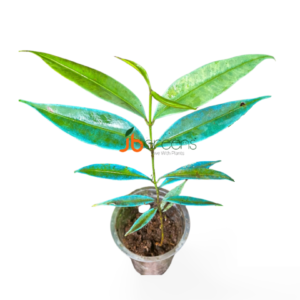
 Asparagus plumosus
Original price was: $21.44.$16.60Current price is: $16.60.
Asparagus plumosus
Original price was: $21.44.$16.60Current price is: $16.60.
-
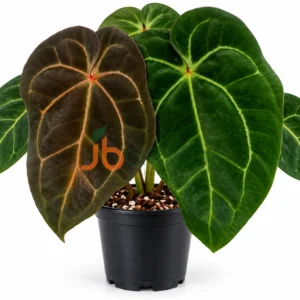 Anthurium BVIT* Docblock
Original price was: $132.77.$119.63Current price is: $119.63.
Anthurium BVIT* Docblock
Original price was: $132.77.$119.63Current price is: $119.63.
-
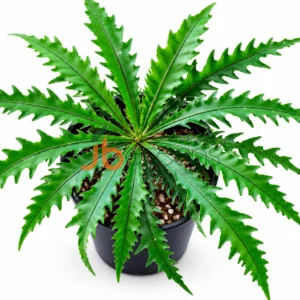 Labisia Star Light
Original price was: $30.43.$22.82Current price is: $22.82.
Labisia Star Light
Original price was: $30.43.$22.82Current price is: $22.82.
-
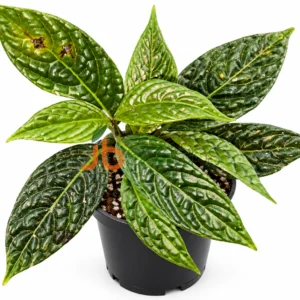 Ardisia Odontiphollia
Original price was: $30.43.$22.82Current price is: $22.82.
Ardisia Odontiphollia
Original price was: $30.43.$22.82Current price is: $22.82.
-
 Microphyllum Verigated
Original price was: $22.13.$19.36Current price is: $19.36.
Microphyllum Verigated
Original price was: $22.13.$19.36Current price is: $19.36.


Reviews
There are no reviews yet.