
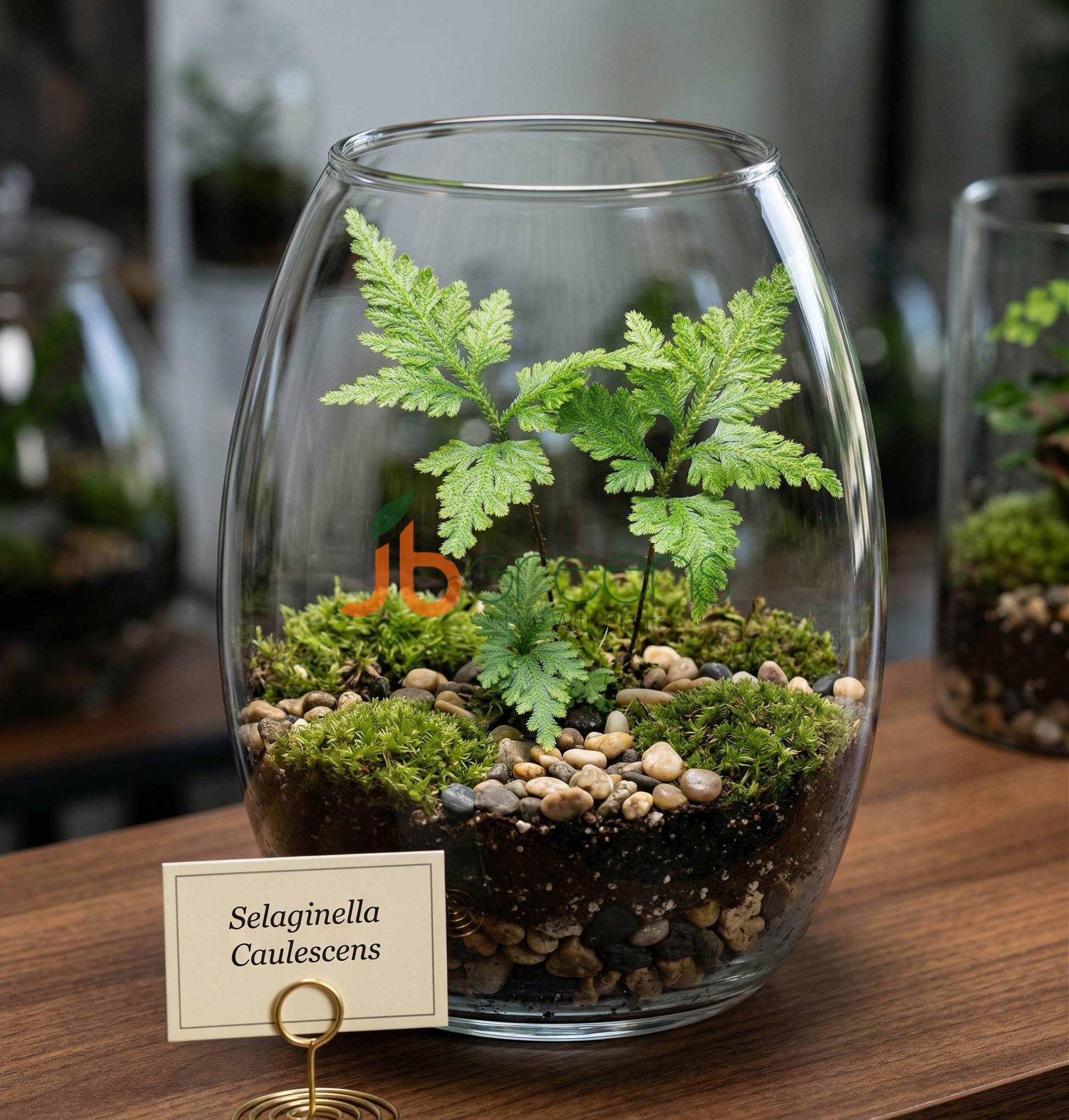
Selaginella caulescens: The Prehistoric Rainforest Jewel
Bring the ancient, untouched beauty of the tropical understory into your collection. Often mistaken for a miniature fern, Selaginella caulescens (widely recognized today under the accepted synonym Selaginella involvens) is a prehistoric marvel. With its intricate, emerald-green branching and delicate scale-like foliage, this stunning lycophyte adds an unparalleled layer of architectural elegance and wild rainforest energy to any specialized indoor setup.
Plant Family, Life, and Taxonomy
-
Family: Selaginellaceae (Spikemosses)
-
Class: Lycopodiopsida (Fern allies that predate true ferns by millions of years)
-
Life Cycle: Evergreen, spore-bearing perennial.
-
History & Discovery: This species was initially documented in the early 19th century as Lycopodium caulescens by renowned botanists Nathaniel Wallich, William Jackson Hooker, and Robert Kaye Greville. In 1843, the Belgian botanist Antoine Frédéric Spring officially reclassified it into the genus Selaginella.
Native Habitat & Special Features
Naturally found cascading over damp, mossy rocks and blanketing the humid forest floors of Tropical and Subtropical Asia—spanning from the Himalayan foothills and India through the dense rainforests of Java, Borneo, and the Philippines—this plant is a true epiphyte and lithophyte.
What makes it special? The Latin word caulescens translates to “having a stem.” Unlike the creeping, mat-forming spikemosses most collectors are used to, S. caulescens pushes up a distinct, wiry, and erect main stem before fanning out into spectacular, overlapping, frond-like branches. This gives it the appearance of a miniature, flat-topped forest canopy.
Identification Methods: You can confidently identify S. caulescens by tracing its growth habit. Look for a clear, upright, unbranched base stem that suddenly erupts into an intricate, multi-layered, triangular “frond” at the top. The leaves are incredibly fine, scale-like, and tightly overlapping, often displaying a subtle iridescent sheen when grown in deep shade.
Complete Care & Cultivation Guide
To keep Selaginella caulescens thriving, the goal is to mimic the deeply shaded, moisture-rich environment of the Asian rainforest floor.
Lighting Requirements
Keep this species entirely out of direct sunlight, which will quickly scorch its delicate, scale-like leaves and turn them crispy and brown. It thrives in medium to bright indirect light or dappled shade. It also responds exceptionally well to the controlled environment of LED aquarium or terrarium grow lights.
Humidity & Temperature
This plant demands high humidity (70% to 90%+). It will struggle in standard household air. Temperatures should remain warm and stable, ideally between 18°C and 26°C (65°F – 80°F). Protect it strictly from cold drafts and air conditioning vents.
Watering Needs
The soil must be kept consistently moist but never waterlogged. Selaginella lacks the deep root systems of larger houseplants and will quickly perish if the potting media dries out completely. Use rainwater, distilled water, or RO water when possible, as they are highly sensitive to chlorine and hard minerals found in tap water.
Potting & Repotting
Because of its shallow, delicate root system, S. caulescens prefers shallow pots or bulb pans over deep nursery pots. Repotting is only necessary every 1–2 years when the plant has outgrown its container or the media has broken down. Spring is the ideal time to repot.
The Ideal Potting Mix: They require a substrate that is highly breathable yet retains excellent moisture. For the best results, pot this species in our exclusive JB Greens Tree Fern Potting Mix, available right here at www.jbgreens.com. The fibrous texture of the tree fern perfectly mimics its natural lithophytic habitat, preventing root rot while maintaining the exact moisture levels this ancient plant craves.
Nutrient Requirements
Spikemosses are very light feeders. Heavy chemical fertilizers will easily burn their delicate roots. To encourage lush, vibrant, and rapid growth without the risk of root burn, apply a gentle, organic-based feed. We highly recommend using the specialized plant tonics and Premium Vermicompost available at www.jbgreens.com. A light top-dressing of our vermicompost provides a slow, steady release of nutrients directly to the shallow root zone.
Uses in Terrarium & Paludarium Setups
Selaginella caulescens is the ultimate show-stopper for glass enclosures. Because it demands high humidity and constantly moist substrates, it thrives in the enclosed environments of terrariums, paludariums, and vivariums.
-
Canopy Effect: Its upright, tree-like growth habit makes it an incredible mid-ground or background focal plant. It creates a striking “miniature forest canopy” effect that contrasts beautifully against lower, creeping plants or mosses.
-
Hardscape Integration: It roots beautifully into the crevices of Dragon Stone, Seiryu stone, or cork bark walls when paired with a bit of sphagnum moss.
-
Micro-Fauna Safe: It provides excellent, dense cover for dart frogs, micro-geckos, and isopods, enriching the biological stability and visual depth of the enclosure.
Only logged in customers who have purchased this product may leave a review.
Related products
-
Piper Potting Mix by JB Greens is a specialized growing medium professionally formulated for all types of exotic and rare Piper plants – from ornamental Piper crocatum and Piper ornatum to Piper sarmentosum and other collector’s pepper vines. This rich, well-draining mix replicates the tropical forest understory habitat Piper species thrive in, balancing moisture retention with excellent aeration …
Read more -
Transform your indoor garden or terrarium with Selaginella ‘Avatar’ — a mesmerizing, exceptionally bushy spikemoss that brings the magic of a prehistoric rainforest right into your home. Though it resembles a miniature, rounded conifer or a delicate fern, this is a distinct evergreen perennial boasting dimorphic, fan-like leaves. What truly sets the ‘Avatar’ apart is …
Add to cart -
Marcgravia Potting Mix by JB Greens is a specialized, semi-epiphytic growing medium professionally formulated for all types of exotic and rare Marcgravia plants – the stunning shingle vines renowned for their unique, overlapping, coin-like foliage. This high-humidity mix replicates the tropical rainforest canopy habitat Marcgravia thrives in, providing exceptional drainage, aeration, and moisture retention essential for healthy climbing …
Read more -
Philodendron Potting Mix by JB Greens is a specialized growing medium crafted for all types of Philodendrons—climbing, self‑heading, and compact varieties. It is designed to provide the airy, well‑draining yet moisture‑retentive environment that philodendron roots need to stay healthy and fast‑growing. Key benefits Ideal drainage with steady moisture The mix prevents waterlogging and root rot …
Add to cart


Products
-
 Sauvegasia Serrata
Original price was: $29.04.$21.44Current price is: $21.44.
Sauvegasia Serrata
Original price was: $29.04.$21.44Current price is: $21.44.
-
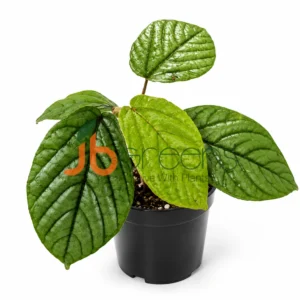 Pterisanthes Silver
Original price was: $33.19.$24.89Current price is: $24.89.
Pterisanthes Silver
Original price was: $33.19.$24.89Current price is: $24.89.
-
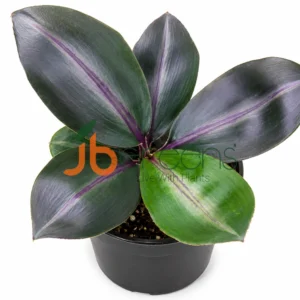 Geogenanthus Rhizanthus
Original price was: $33.19.$24.89Current price is: $24.89.
Geogenanthus Rhizanthus
Original price was: $33.19.$24.89Current price is: $24.89.
-
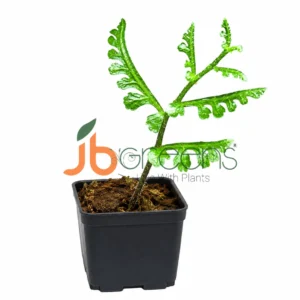 Teratophyllum Sp.Ager
Original price was: $19.36.$16.60Current price is: $16.60.
Teratophyllum Sp.Ager
Original price was: $19.36.$16.60Current price is: $16.60.
-
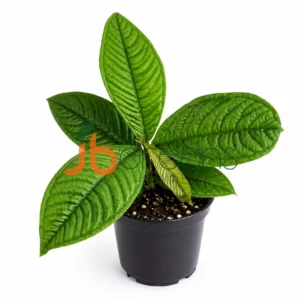 Syzygium Jiewhoei
Original price was: $52.55.$47.02Current price is: $47.02.
Syzygium Jiewhoei
Original price was: $52.55.$47.02Current price is: $47.02.



Reviews
There are no reviews yet.