
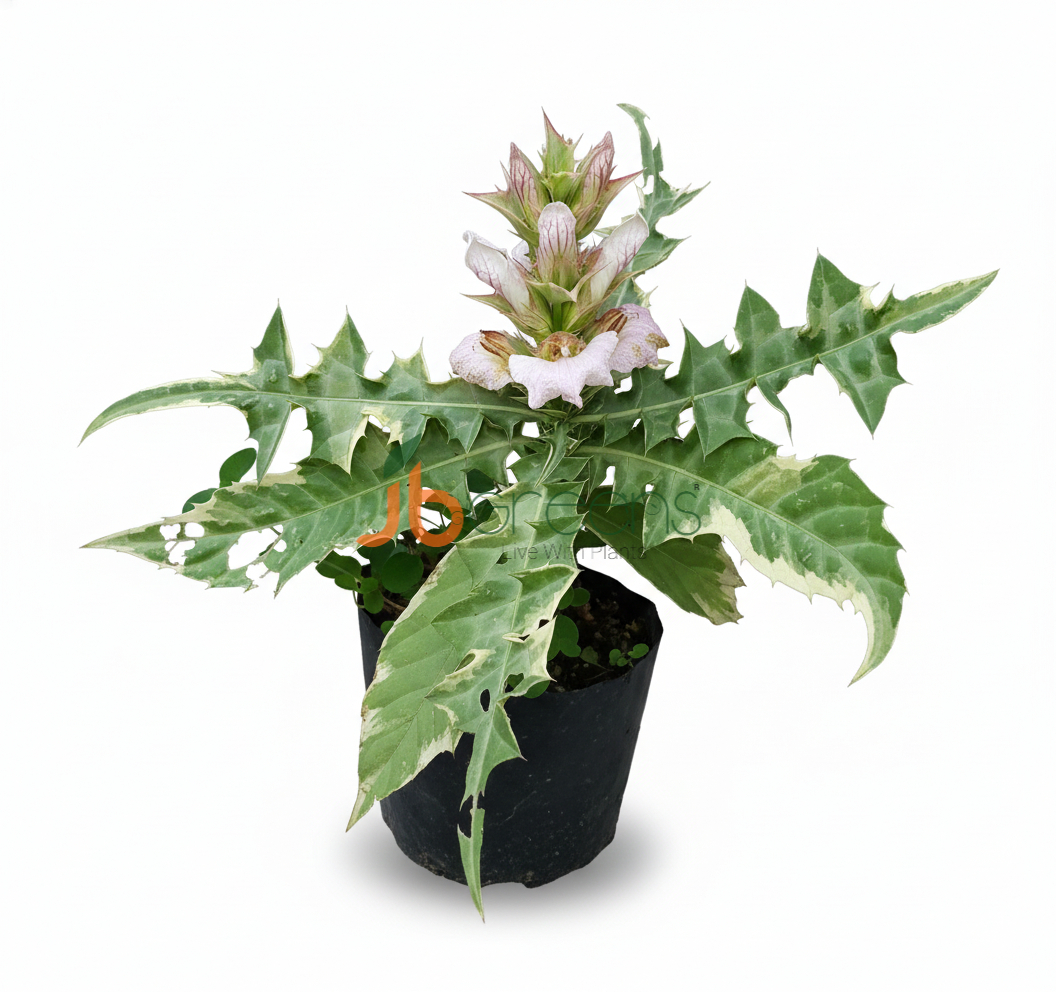
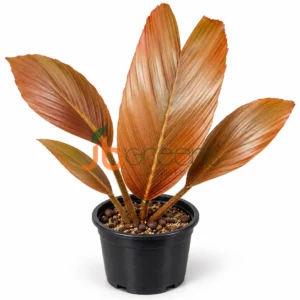
Acanthus is a genus of about 30 species of flowering perennial plants in the Acanthaceae family, known commonly as Acanthus or Bear’s Breeches. They are native to tropical and warm temperate regions, especially the Mediterranean Basin and Asia. These plants have large, deeply lobed or spiny leaves and tall flower spikes with white or purplish flowers. Acanthus plants form clumps and can grow between 0.4 to 2 meters in height. The leaves were the model for the Corinthian leaf motif in ancient Greek and Roman architecture.
Description
Acanthus plants are herbaceous perennials with bold, eye-catching foliage and spiny or lobed leaves on long stalks. Flower spikes rise above the foliage and have a hooded, tubular form, mostly in muted purple, pink, green, or white shades. The flowers produce nectar which attracts butterflies and other pollinators. They form mounds or clumps that can survive for many years and sometimes spread aggressively through seeds or root fragments.
Caring for Acanthus
Watering: Moderate watering needs; allow the soil to dry somewhat between watering but avoid complete dryness. They are somewhat drought tolerant.
Soil: Prefer deep, fertile, moist, and well-drained soil but can tolerate a range of soil types. Avoid waterlogged conditions, especially in winter, to prevent root rot.
Light: Grow best in partial shade to full sun. In warmer climates, avoid hot afternoon sun exposure to prevent leaf scorch. They can tolerate some shade but not deep, dense shade.
Temperature: Hardy in USDA zones 7 to 10; need protection in harsher winters by mulching or sheltering.
Pests/Diseases: Watch for aphids, whiteflies, spider mites, slugs, and snails. Powdery mildew and leaf spot may occur in wet, poorly ventilated conditions.
Adaptability
Acanthus plants are quite adaptable. They can grow in a variety of soils and light conditions, from full sun to partial shade. They are hardy perennials capable of spreading via roots and seeds, often becoming well-established in a garden over time. Due to their vigorous growth habit, once established, they are best left undisturbed since they have deep roots that can regrow if broken.
Growing Conditions
Planting: Plant in spring or throughout summer to allow sufficient growth before winter.
Spacing: Space about 36 inches (90 cm) apart for adequate air circulation.
Pinching: Not necessary; avoid pinching the stems to maintain natural form.
Maintenance: Can be grown in sunken borders or bottomless containers to control spread.
Growth: They form large clumps and may require containment as they spread aggressively in favorable conditions.
Flowering: Flower spikes are attractive in gardens and floral arrangements; flower spikes can be cut when lower flowers open for continued blooming in vases.
In summary, Acanthus is a durable, attractive perennial prized for its architectural foliage and striking flower spikes. It prefers well-drained, fertile soils, partial to full sun, moderate watering, and protection from extreme heat or wet conditions. Its adaptability and vigorous nature make it an excellent choice for gardens needing bold, lush leaf texture and height, though it requires some management to prevent unwanted spreading.
If more specific information about a particular species or variety is desired, this can be explored further.
| Plant group | Other foliage & flowering plants |
|---|---|
| Genus | Acanthus |
| Light | Full sun, Medium indirect light |
| Growth habit | Clumping |
Only logged in customers who have purchased this product may leave a review.
Related products
-
ABOUT THE PLANT: Common name: Acranthera Sp. Kapuas Hulu Indonesia endemic plant The photo is representative Plant is healthy and in the good condition It has 2-3 leaves It is sold per plant
Read more -
Here are some general guidelines for growing Scindapsus: Light requirements: Scindapsus plants thrive in bright, indirect light. Temperature and humidity: Scindapsus plants prefer temperatures between 65°F and 85°F (18°C to 29°C). Watering: Water your Scindapsus when the top inch of the soil feels dry. Soil and potting: Use a well-draining potting mix that retains some …
Read more -
ABOUT THE PLANT: Aglaonema are rhizomatous evergreen perennials with short stems bearing long-stalked, often attractively variegated leaves and rather insignificant, greenish or cream flowering spathes. The photo is representative Plant is healthy and in the good condition It is sold per plant
Read more -


Products
-
 Anthurium BVIT* Docblock
Original price was: $132.77.$119.63Current price is: $119.63.
Anthurium BVIT* Docblock
Original price was: $132.77.$119.63Current price is: $119.63.
-
 Labisia Star Light
Original price was: $30.43.$22.82Current price is: $22.82.
Labisia Star Light
Original price was: $30.43.$22.82Current price is: $22.82.
-
 Ardisia Odontiphollia
Original price was: $30.43.$22.82Current price is: $22.82.
Ardisia Odontiphollia
Original price was: $30.43.$22.82Current price is: $22.82.
-
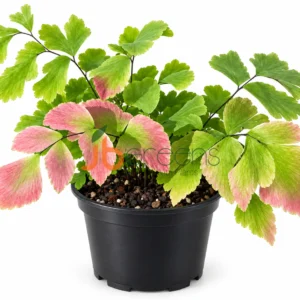 Microphyllum Verigated
Original price was: $22.13.$19.36Current price is: $19.36.
Microphyllum Verigated
Original price was: $22.13.$19.36Current price is: $19.36.
-
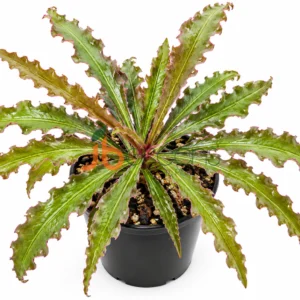 Labisia Fenny
Original price was: $29.04.$24.89Current price is: $24.89.
Labisia Fenny
Original price was: $29.04.$24.89Current price is: $24.89.

Reviews
There are no reviews yet.